Chapter 1: Origins and Society
Who Were the Vikings?
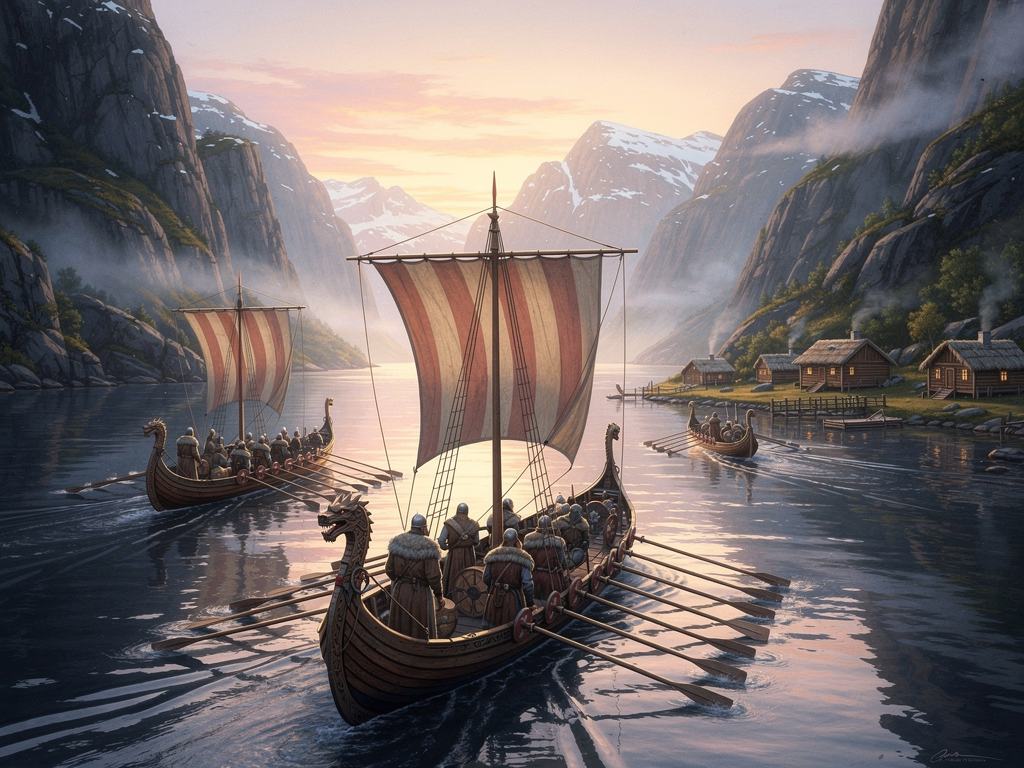
The Vikings are seafaring peoples from Scandinavia (modern Norway, Sweden, Denmark), active c. 750–1100 CE.
- Speak Old Norse
- Use sophisticated ships
- Engage in raiding, trading, and settling
They are not a single "tribe" but diverse communities sharing language, religion, and maritime culture.
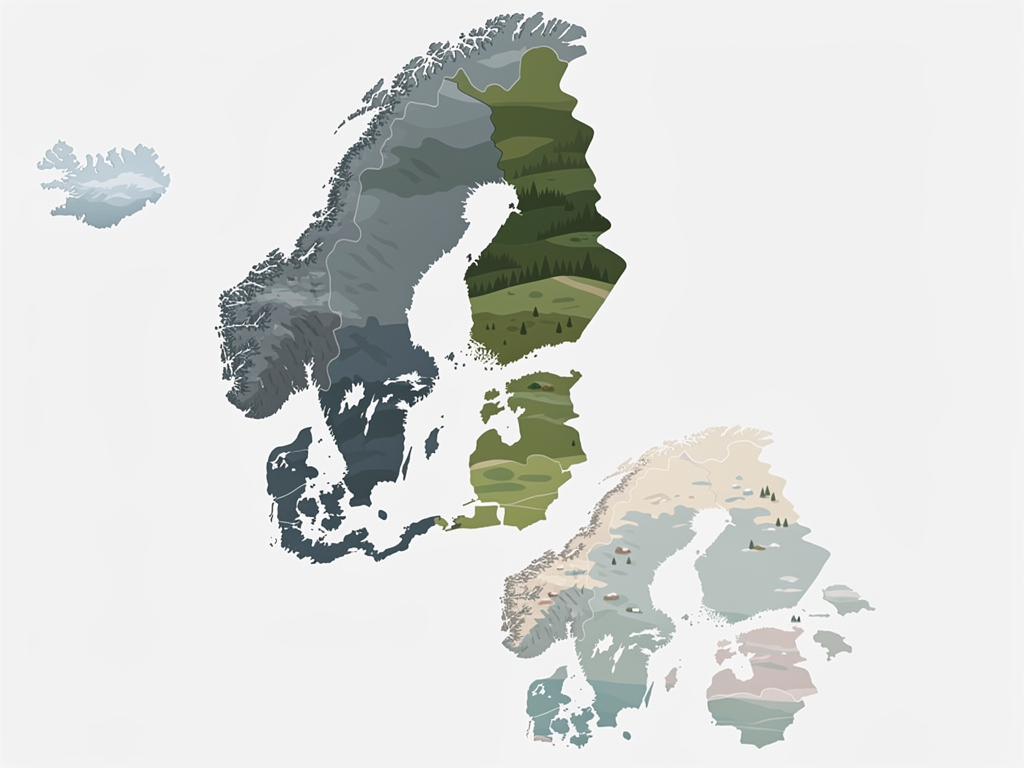
Viking Homelands
Key regions:
- Norway: fjords, steep terrain; focus on Atlantic voyages
- Denmark: lowlands; gateway to Europe
- Sweden: forests, lakes; routes eastward
Environmental pressures (limited arable land, inheritance customs) help drive overseas expansion.
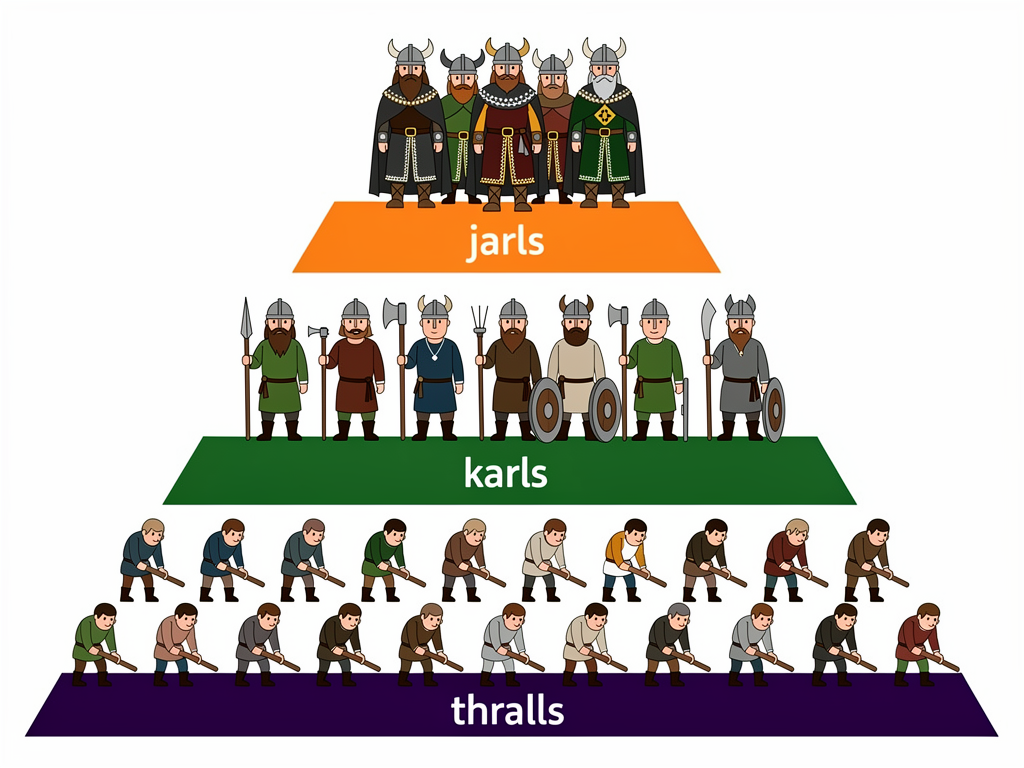
Social Structure 🛡️
Viking society is stratified:
- Jarls: powerful nobles, war leaders
- Karls: free farmers, craftspeople, traders
- Thralls: enslaved people, often captured abroad
Power rests on land ownership, followers, and access to trade. Law and reputation regulate behavior as much as violence.
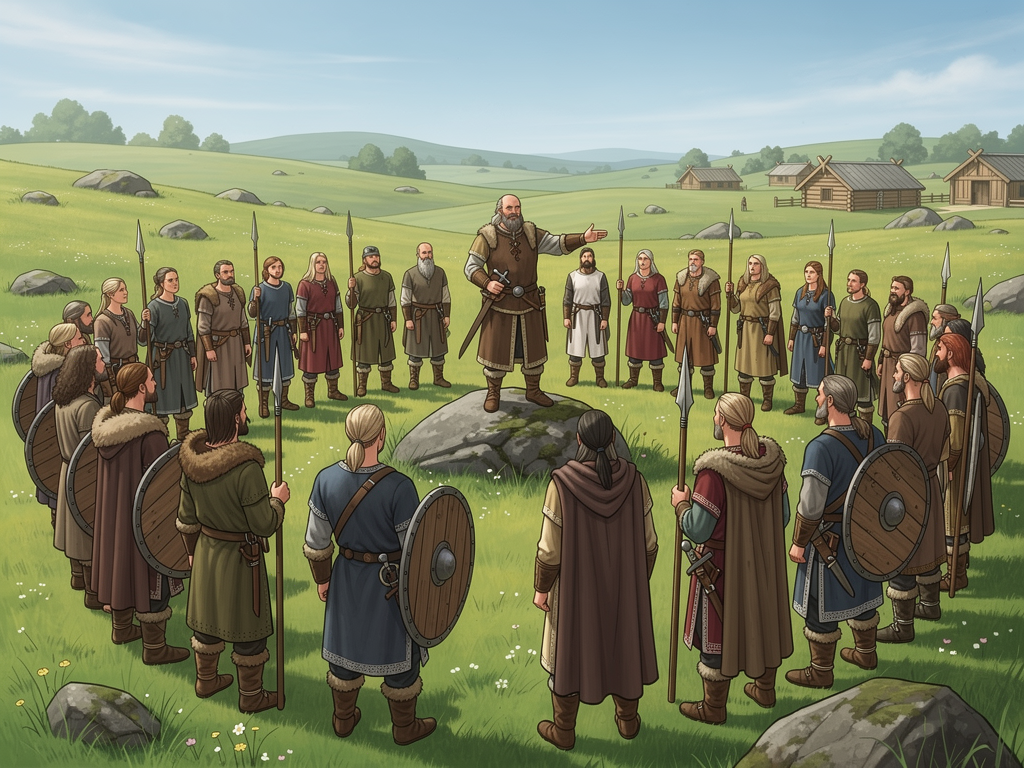
Law and Thing Assemblies
Vikings govern through things: public assemblies where free men debate disputes and laws.
- Presided over by law-speakers
- Rely on oral legal tradition
- Emphasize compensation (wergild) over execution
These assemblies lay foundations for later Scandinavian parliaments.
Everyday Life
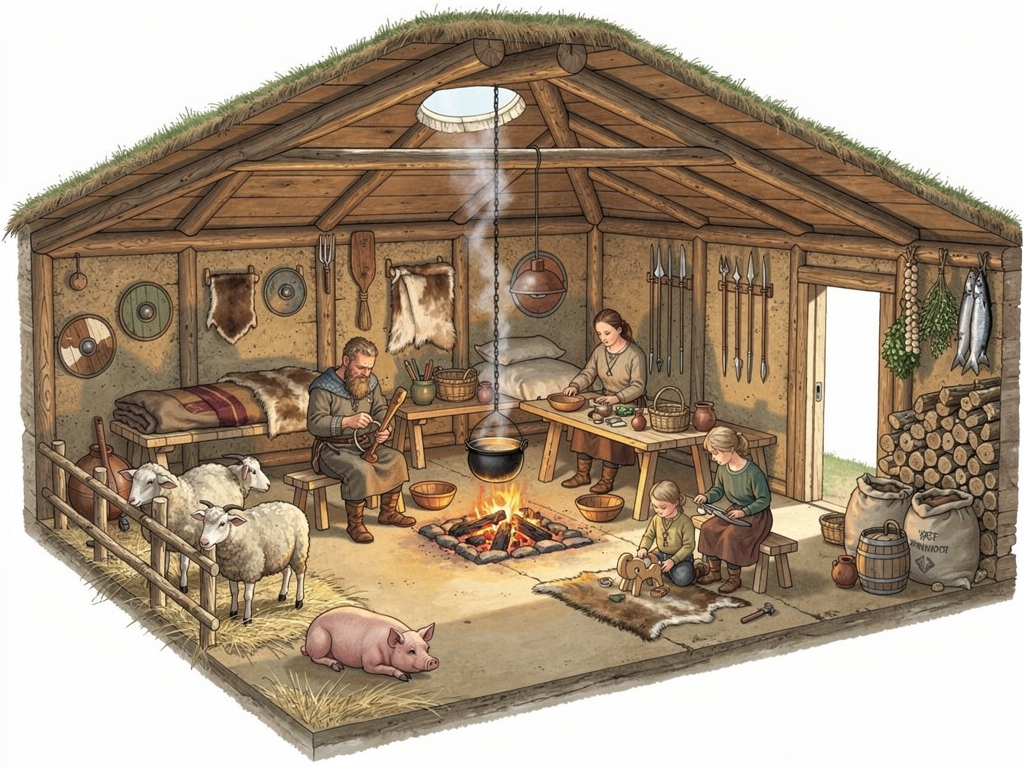
Most Vikings are farmers, not raiders:
- Grow barley, rye, oats
- Keep cattle, sheep, pigs
- Live in longhouses with humans and animals
Women manage households, textiles, and sometimes estates, wielding significant economic authority.
💡 This is just Chapter 1. The full content with all chapters, interactive quizzes, and progress tracking is available in the Octo AI app.