Chapter 1: What Is DNA?
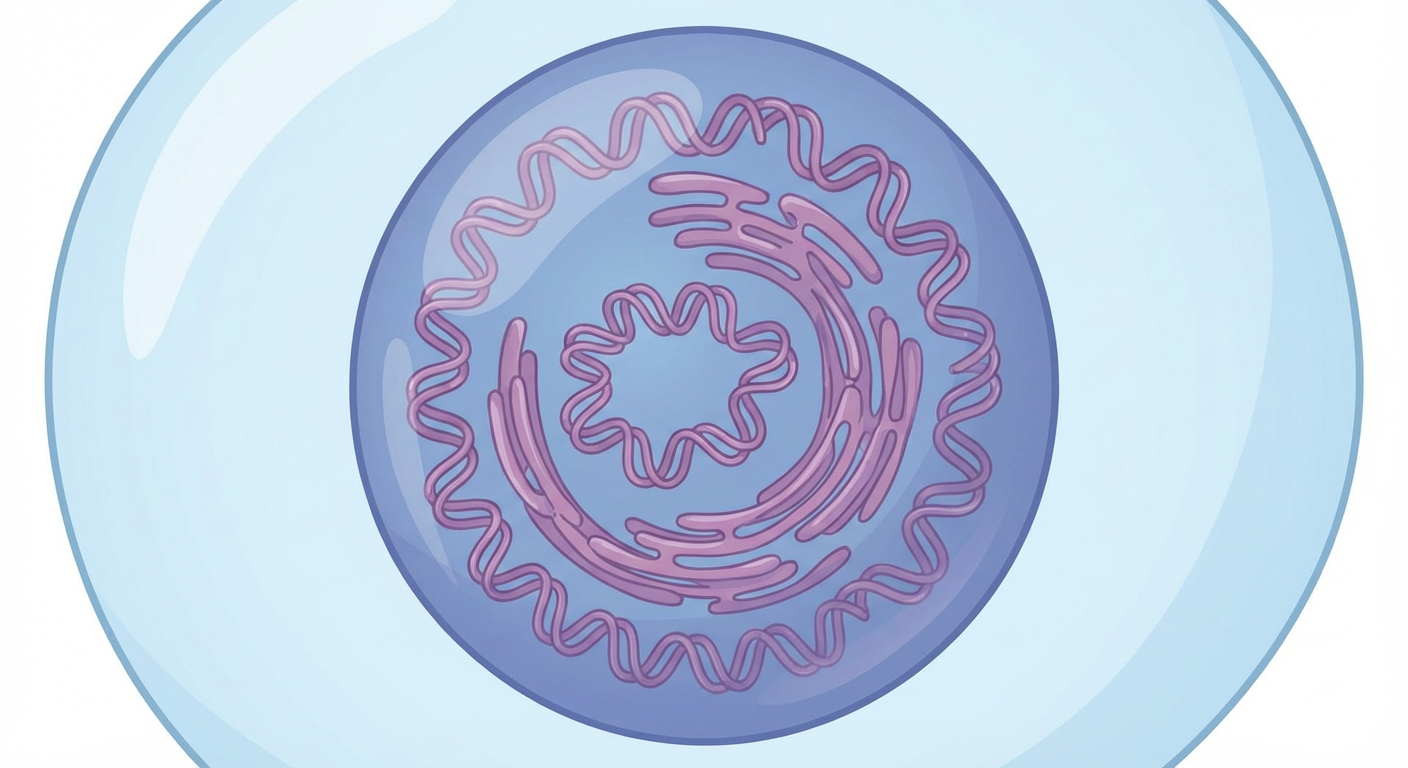
DNA: The Cell’s Instruction Book
DNA stands for Deoxyribonucleic Acid.
It:
- Stores instructions to build and run your body
- Is found in the nucleus of most cells
- Is passed from parents to children
> Every cell in your body (except red blood cells) carries the same DNA.
Think of DNA as a recipe book; cells read its recipes to make proteins.
DNA’s Basic Parts
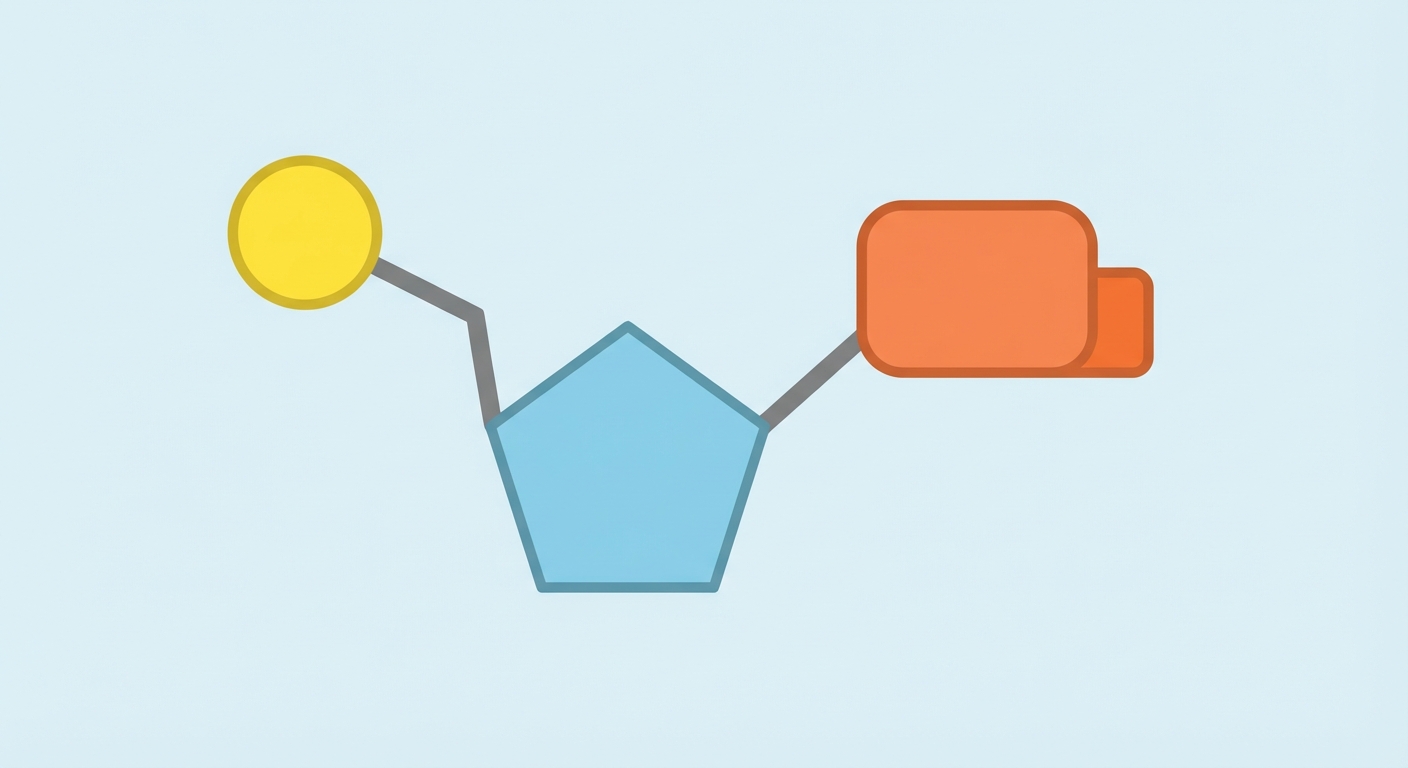
DNA is built from small units called nucleotides.
Each nucleotide has:
- A sugar
- A phosphate group
- A nitrogen base
There are 4 bases:
- Adenine (A)
- Thymine (T)
- Cytosine (C)
- Guanine (G)
These four letters form the entire genetic code of living things.
The Double Helix Shape
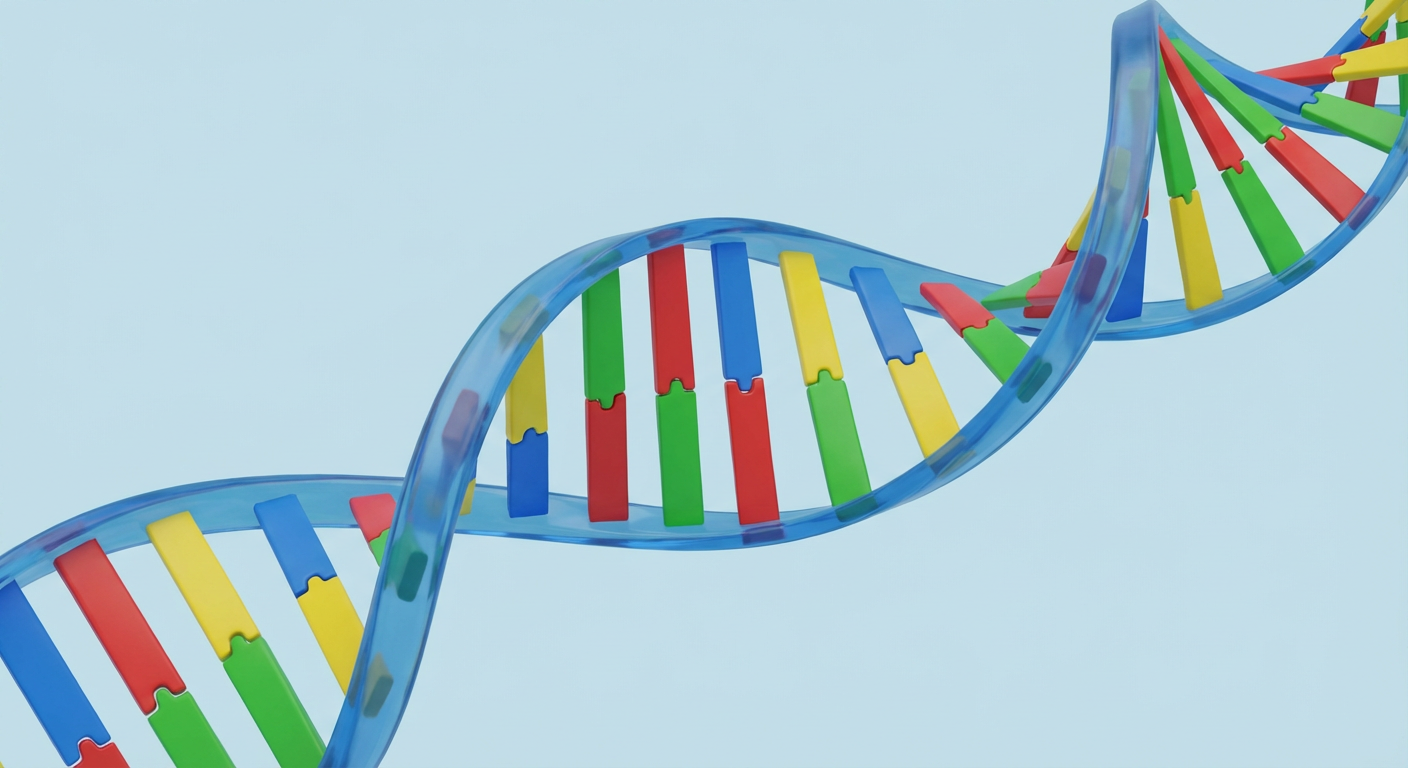
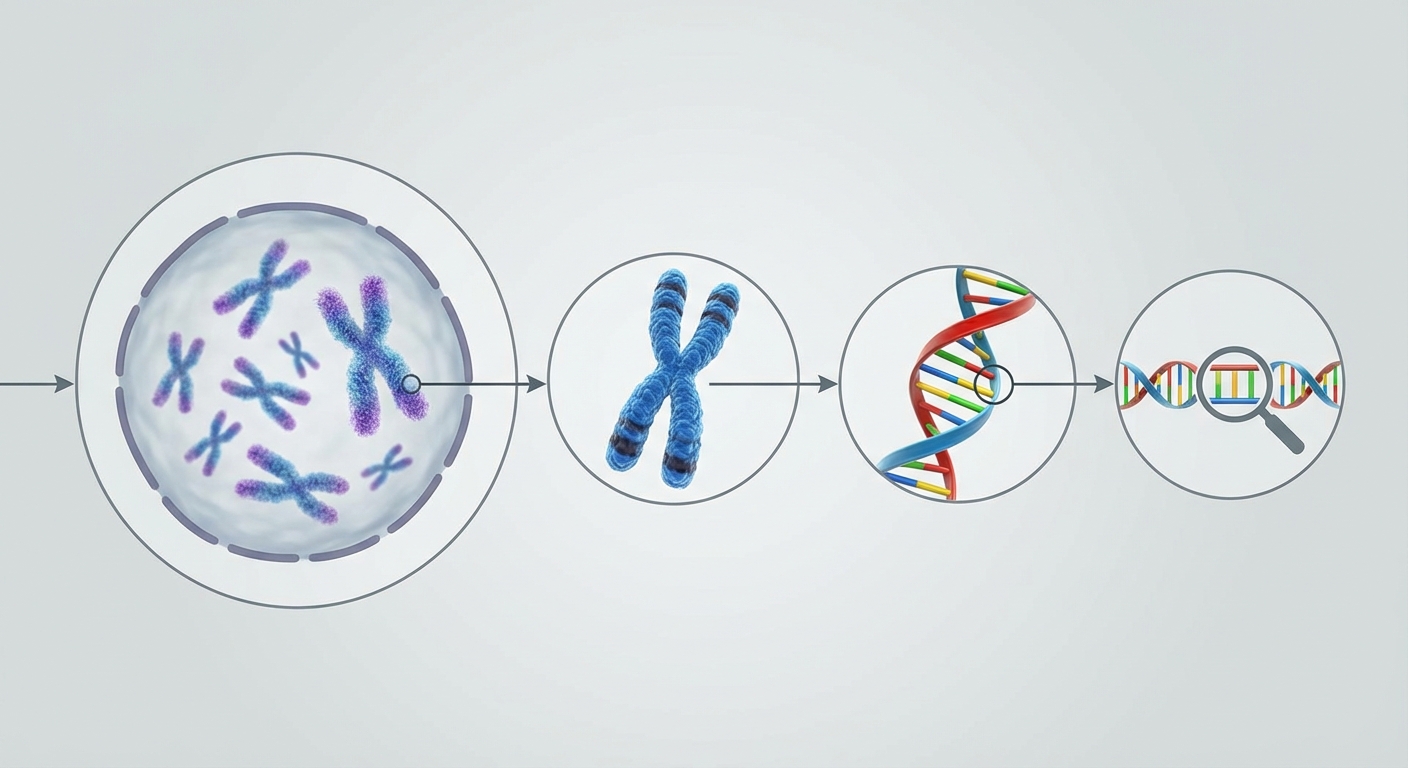
DNA looks like a twisted ladder, called a double helix.
- Sugar and phosphate = sides of the ladder
- Bases = rungs of the ladder
Base-pair rules:
- A always pairs with T
- C always pairs with G
These specific pairings keep DNA stable and easy to copy.
Genes and Chromosomes
- A gene is a segment of DNA with instructions for one protein or trait.
- Chromosomes are long, tightly packed DNA strands.
Humans have:
- 46 chromosomes in most cells
- About 20,000–25,000 genes total
You inherit half your chromosomes from each parent.
💡 This is just Chapter 1. The full content with all chapters, interactive quizzes, and progress tracking is available in the Octo AI app.