Chapter 1: Cold War Origins and Early Competition
From Allies to Rivals
After World War II, the United States and Soviet Union emerge as superpowers with opposing ideologies: capitalism vs. communism.
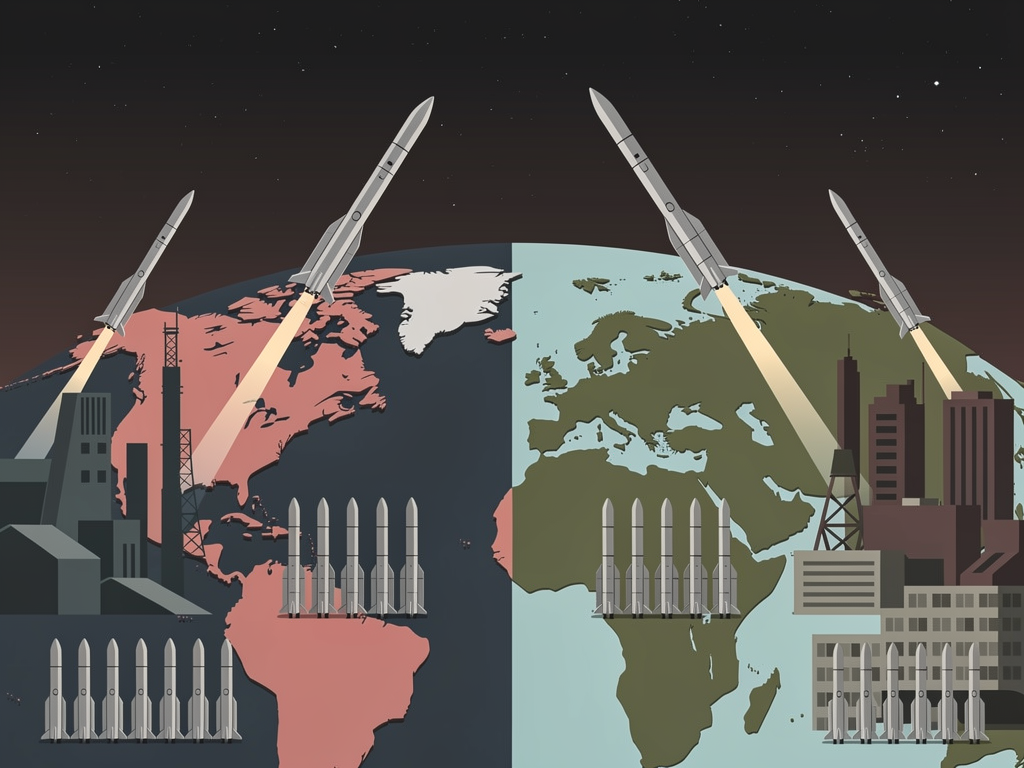
Space becomes a symbolic battlefield:
- Prove technological superiority
- Demonstrate military reach (ballistic missiles)
- Win global prestige among newly decolonized nations
> Space success suggests that a political system is scientifically advanced and historically "destined" to win.
This geopolitical rivalry crystallizes into the Space Race by the mid‑1950s.
Rocket Roots: War Technology to Space
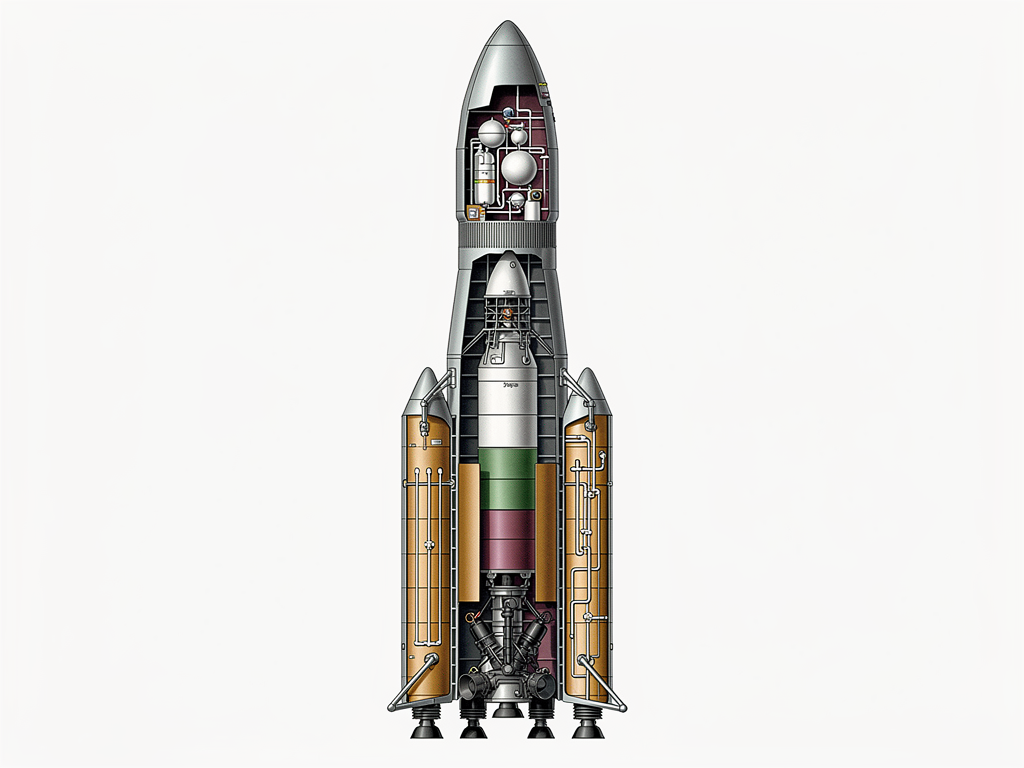
The Space Race grows directly from missile development.
Key roots:
- German V‑2 rockets: first long‑range ballistic missiles
- Operation Paperclip: US recruits German engineers (e.g., Wernher von Braun)
- USSR captures facilities and specialists in Eastern Europe
Intercontinental ballistic missiles (ICBMs) and space launch vehicles share engines, fuels, and guidance systems.
Spaceflight therefore signals not just scientific progress, but potential nuclear delivery capability.
Sputnik Shock (1957)
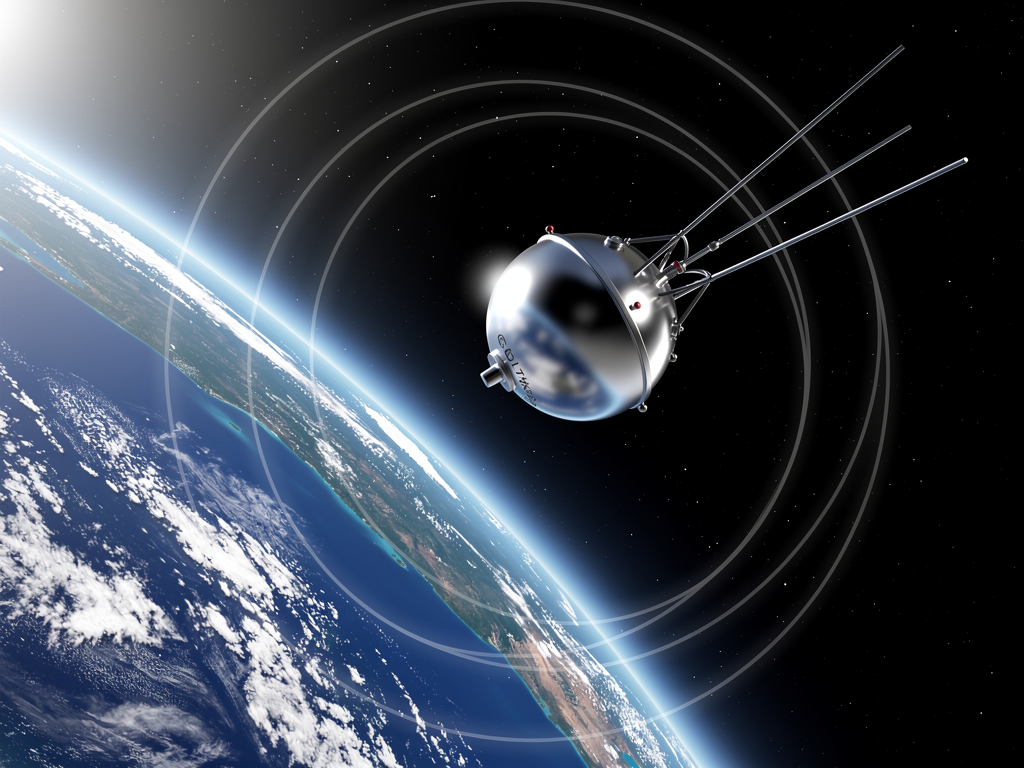
On 4 October 1957, the USSR launches Sputnik 1, the first artificial satellite.
Consequences in the US:
- Perceived "missile gap" panic
- Fear of Soviet surveillance from orbit
- Questions about American education in science and math
Politically, Sputnik functions as a psychological wake‑up call, forcing the US to treat space as a national security priority, not a curiosity.
U.S. Response: Institutions and Funding
Post‑Sputnik, the US reorganizes rapidly:
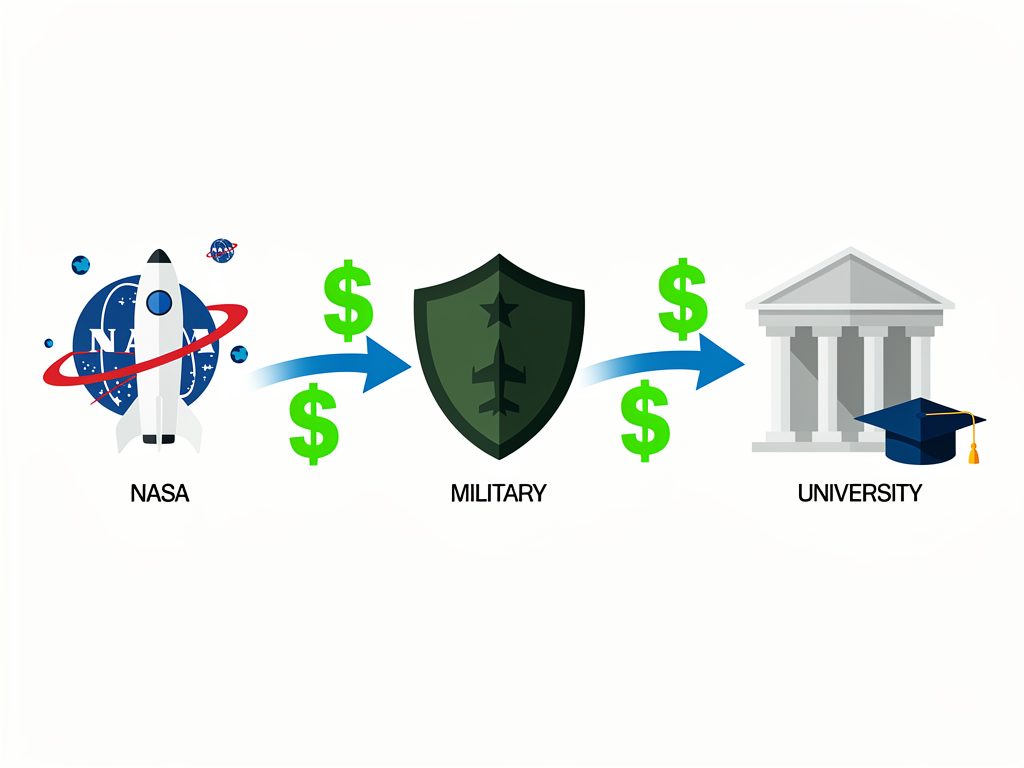
- 1958: Creation of NASA to centralize civilian space efforts
- Formation of ARPA (later DARPA) for advanced defense research
- Massive funding for math and science education via the National Defense Education Act
Space becomes tightly woven into the military‑industrial‑academic complex, linking universities, industry, and the Pentagon.
💡 This is just Chapter 1. The full content with all chapters, interactive quizzes, and progress tracking is available in the Octo AI app.