Chapter 1: What Is the Innovator's Dilemma?
Big Idea
The Innovator's Dilemma explains why great companies can still fail.
They:
- Listen closely to customers
- Improve profitable products
- Ignore small, risky ideas
Then a disruptive innovation starts small, gets better, and suddenly replaces them.
> Success habits can later cause failure.
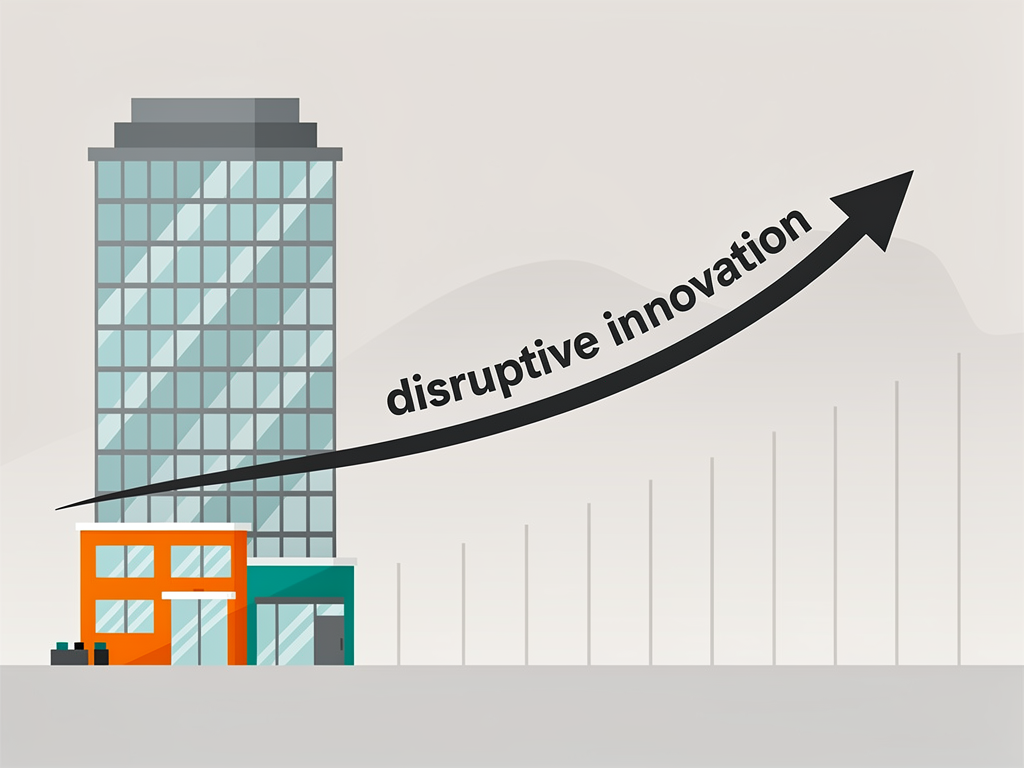
Two Types of Innovation
1. Sustaining
- Improves existing products
- Serves current best customers
2. Disruptive
- Starts worse on main features
- Cheaper, simpler, or more convenient
- Attracts new or low-end customers
The dilemma: big firms are organized for sustaining, not disruptive, innovation.
Why Good Managers Say “No”
Managers reject disruptive ideas because:
- Early markets are small and uncertain
- Profits look tiny vs. current business
- Top customers say, “We don’t need that.”
- Metrics reward short-term results, not experiments
So they delay, then it becomes too late.
Classic Examples
- Mainframes → PCs: Big computer firms ignored personal computers.
- Physical stores → Online shopping: Retailers underestimated the internet.
- Taxis → Ride-sharing apps: Apps began as cheaper, less regulated options.
In each case, leaders saw the change coming but still struggled to respond.
💡 This is just Chapter 1. The full content with all chapters, interactive quizzes, and progress tracking is available in the Octo AI app.