Chapter 1: Foundations of Industrialization
From Agrarian to Industrial
Between c.1750–1870, parts of Europe and North America shift from agrarian to industrial economies.
Key preconditions:
- Agricultural surplus
- Access to coal and iron
- Expanding trade networks
- Capital for investment
Core idea: mechanized production replaces handcraft, triggering profound economic, social, and political transformation.
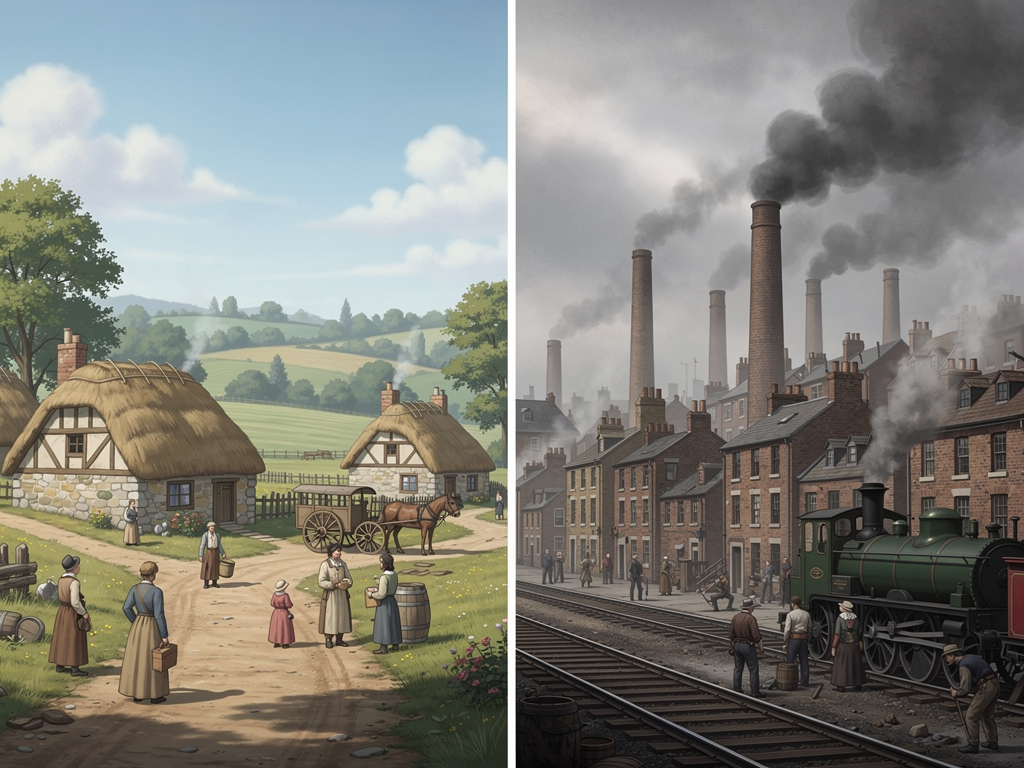
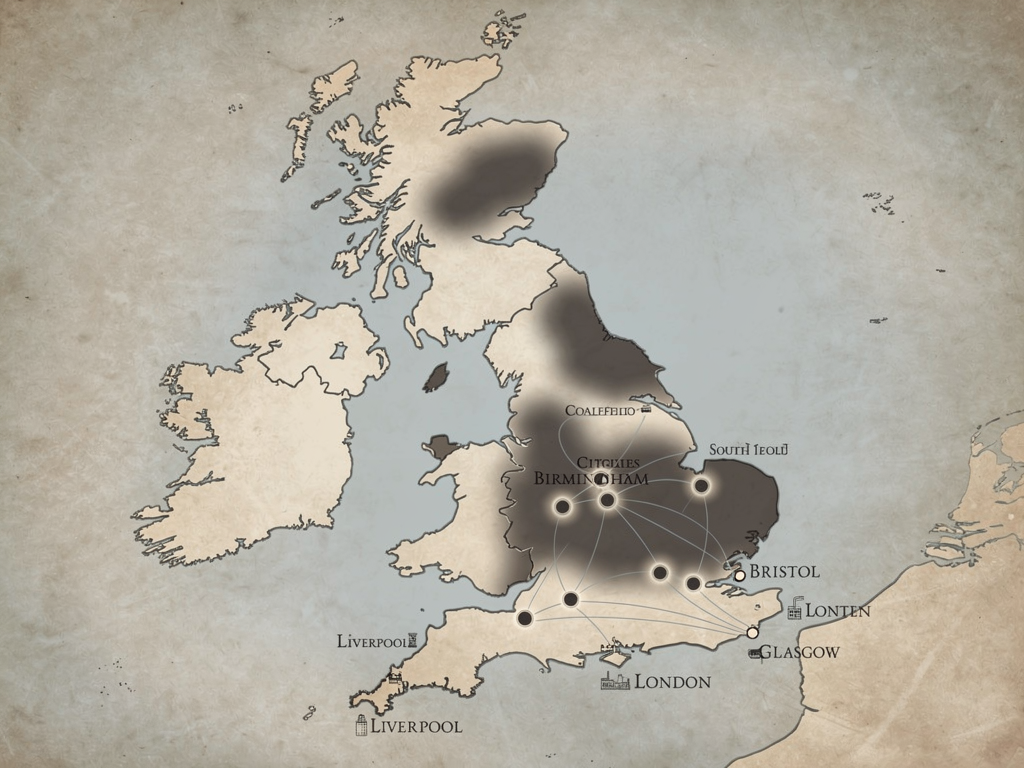
Why Britain First? 🇬🇧
Historians emphasize:
- Natural resources: abundant coal, accessible iron ore
- Commercial strength: global trade, naval dominance
- Institutions: relatively secure property rights, joint‑stock companies
- Labor supply: enclosure displaces peasants into wage work
These conditions create a laboratory for innovation and large‑scale mechanization.
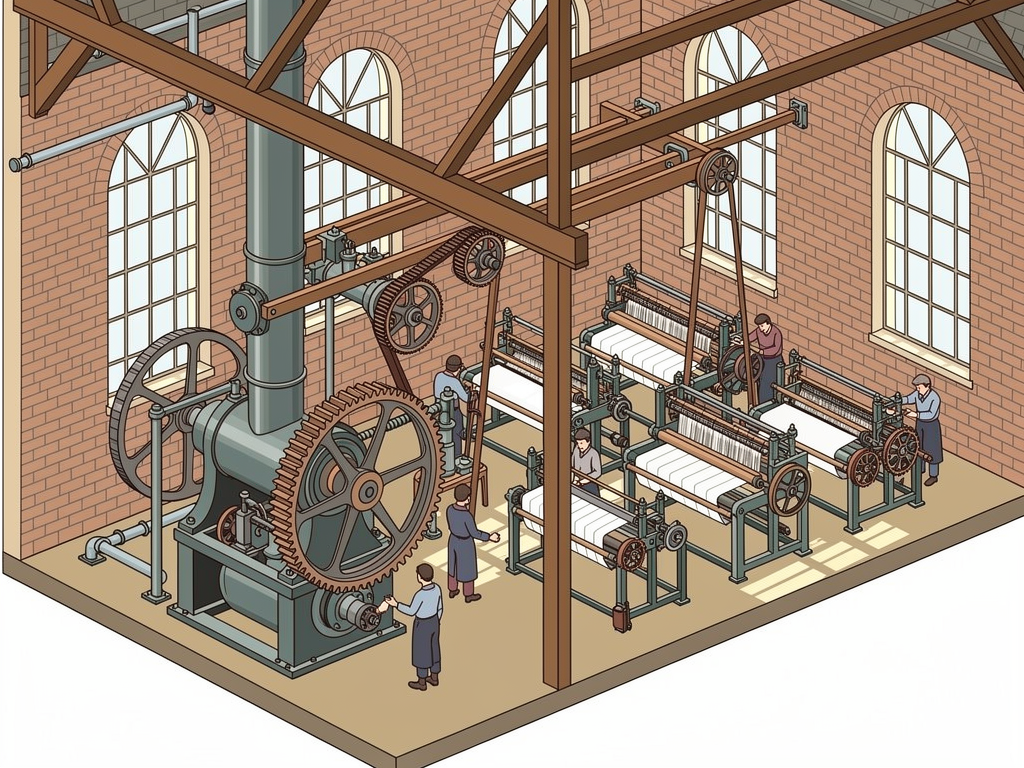
Key Technological Breakthroughs
Textiles lead:
- Flying shuttle (1733)
- Spinning jenny (1764)
- Water frame (1769)
- Power loom (1785)
Crucial general-purpose technology:
- Steam engine (Watt’s improvements, 1760s–1770s)
These innovations raise productivity, lower prices, and concentrate production in factories.
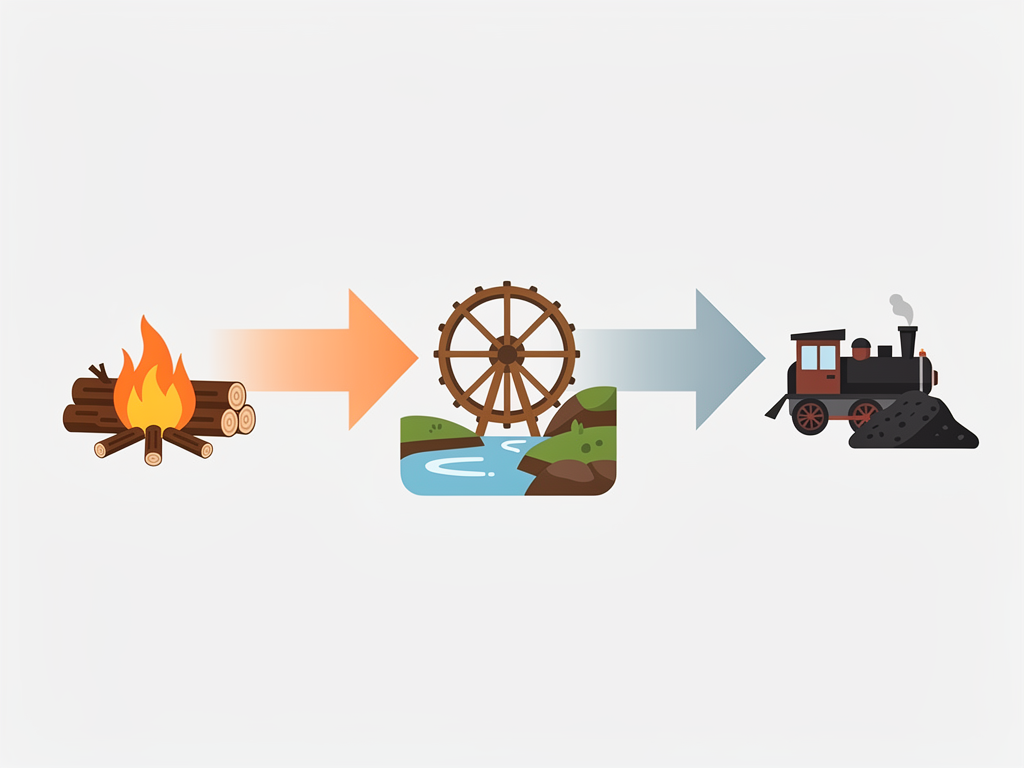
Energy Revolution ⚙️
Pre‑industrial economies rely on:
- Human and animal muscle
- Wood and water power
Industrialization substitutes fossil fuels, especially coal.
Consequences:
- Far higher energy density
- Spatial concentration of industry near coalfields
- Rising pollution and urban smog
💡 This is just Chapter 1. The full content with all chapters, interactive quizzes, and progress tracking is available in the Octo AI app.