Chapter 1: From Silent Films To Studio System
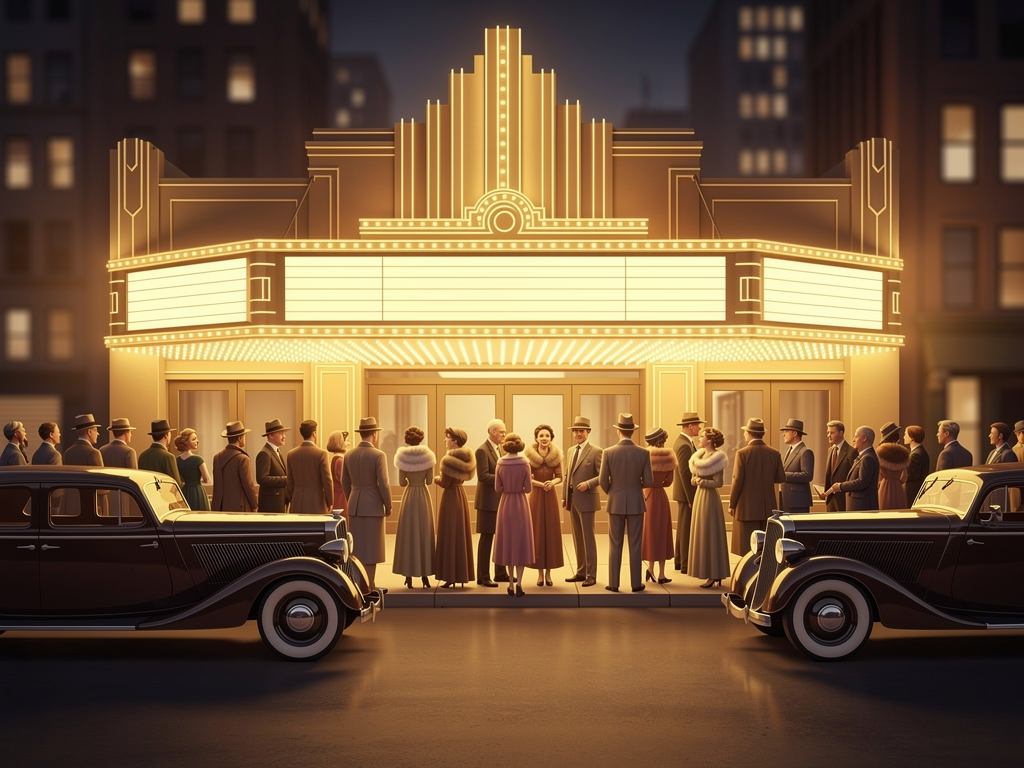
What Is The Hollywood Golden Age?
The Hollywood Golden Age runs from the late 1920s to the late 1950s.
Key features:
- Sound replaces silent film
- Big studios control production
- Moviegoing becomes a weekly habit 🍿
This era shapes how movies are written, filmed, and sold, creating many rules that still guide filmmaking today.
The Rise Of Sound
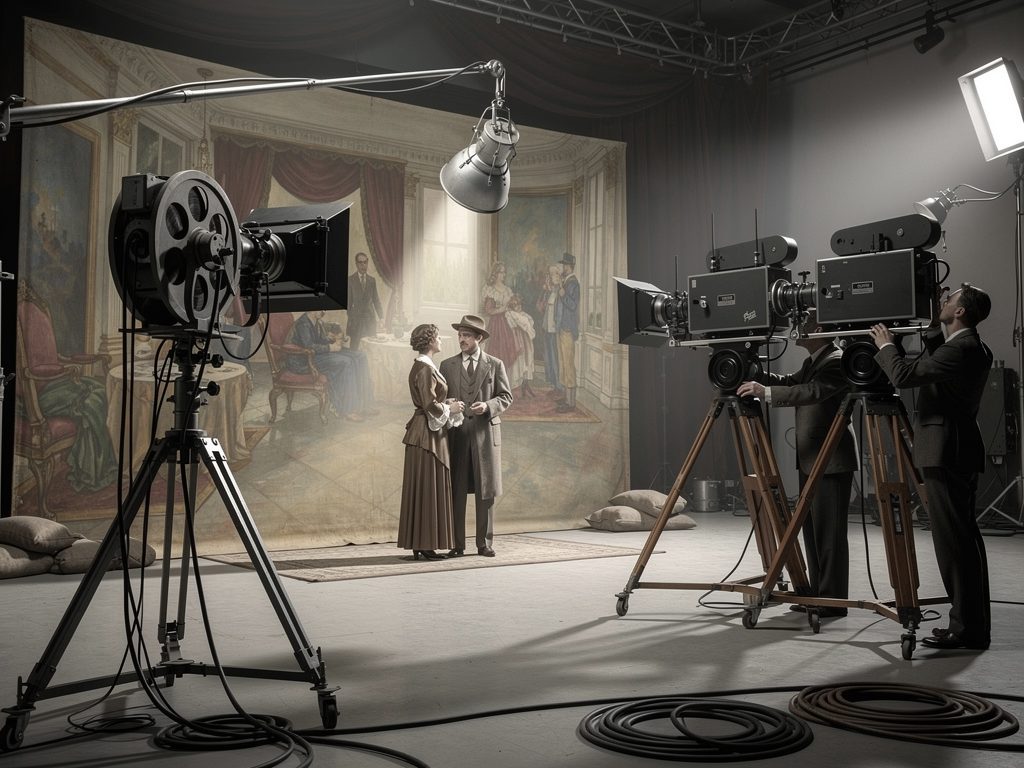
In 1927, The Jazz Singer introduces synchronized sound.
Effects:
- Actors must have clear voices
- Dialogue-driven stories grow
- Musicals explode in popularity 🎵
Studios invest heavily in sound stages, microphones, and new training for actors and directors.
The Big Five Studios
The film industry is dominated by:
1. MGM
2. Paramount
3. Warner Bros.
4. 20th Century-Fox
5. RKO
They control:
- Production (making movies)
- Distribution (getting them to theaters)
- Exhibition (owning theaters)
Vertical Integration
The studios use vertical integration:
- Make the movie
- Ship the movie
- Show the movie in their own theaters
Result:
- Little competition
- Stable profits
- Less creative freedom for outsiders
This powerful system will later face legal challenges.

The Hays Code Begins
In the early 1930s, scandals and “immoral” films cause public concern.
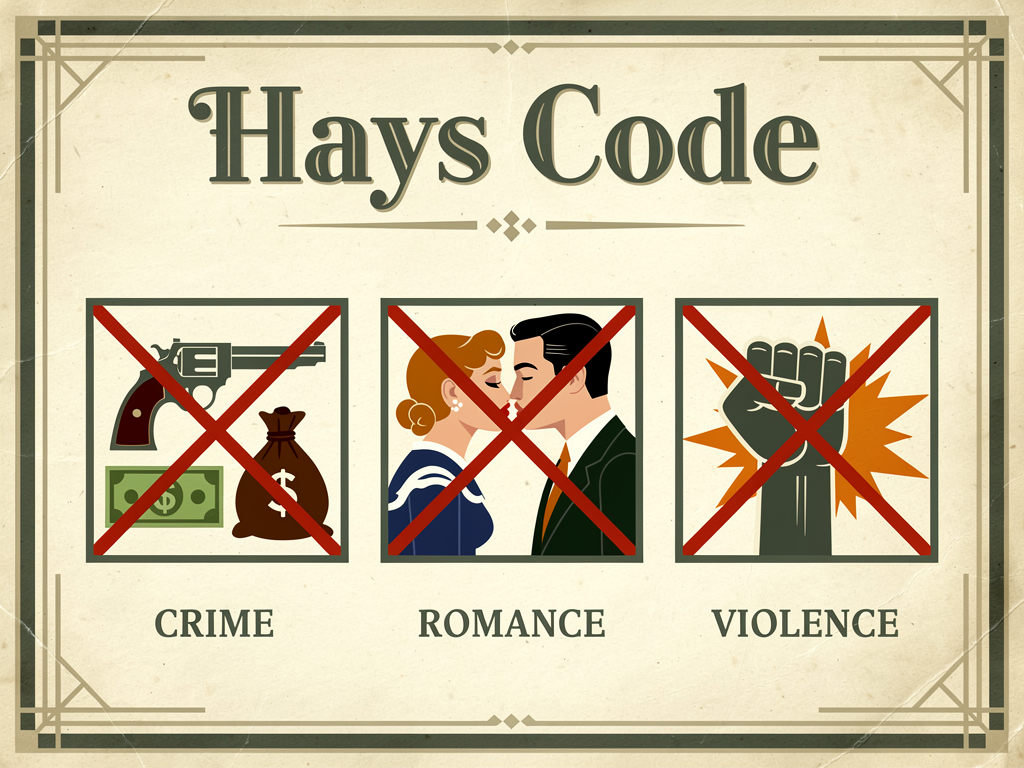
Studios adopt the Hays Code, a set of moral rules:
- No explicit sex or nudity
- Crime cannot pay
- Limited violence and profanity
It deeply shapes what can be shown on screen.
💡 This is just Chapter 1. The full content with all chapters, interactive quizzes, and progress tracking is available in the Octo AI app.