The 1920s look prosperous, especially in the United States, but the expansion rests on fragile foundations:
Rapid industrial growth
Rising consumer credit
Speculative stock purchases on margin
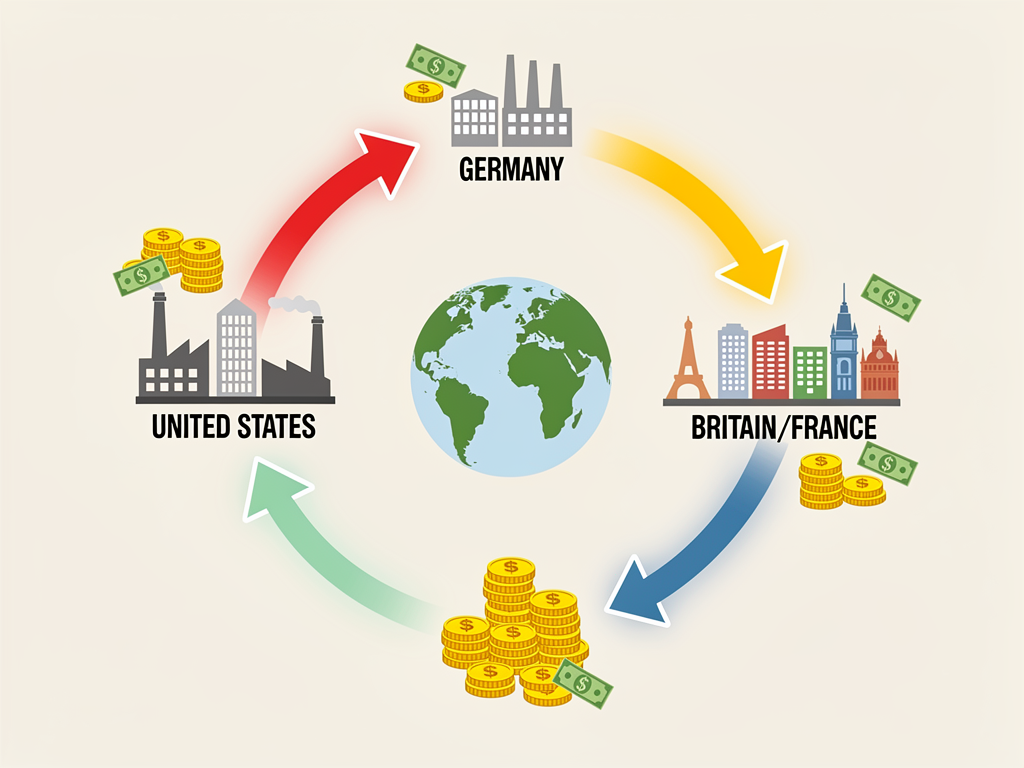
Internationally, the post–World War I order depends on U.S. loans to Germany and others. This creates a debt pyramid: if American credit contracts, the whole system risks collapse.
Structural Weaknesses
Beneath the boom:
Overproduction in agriculture and industry
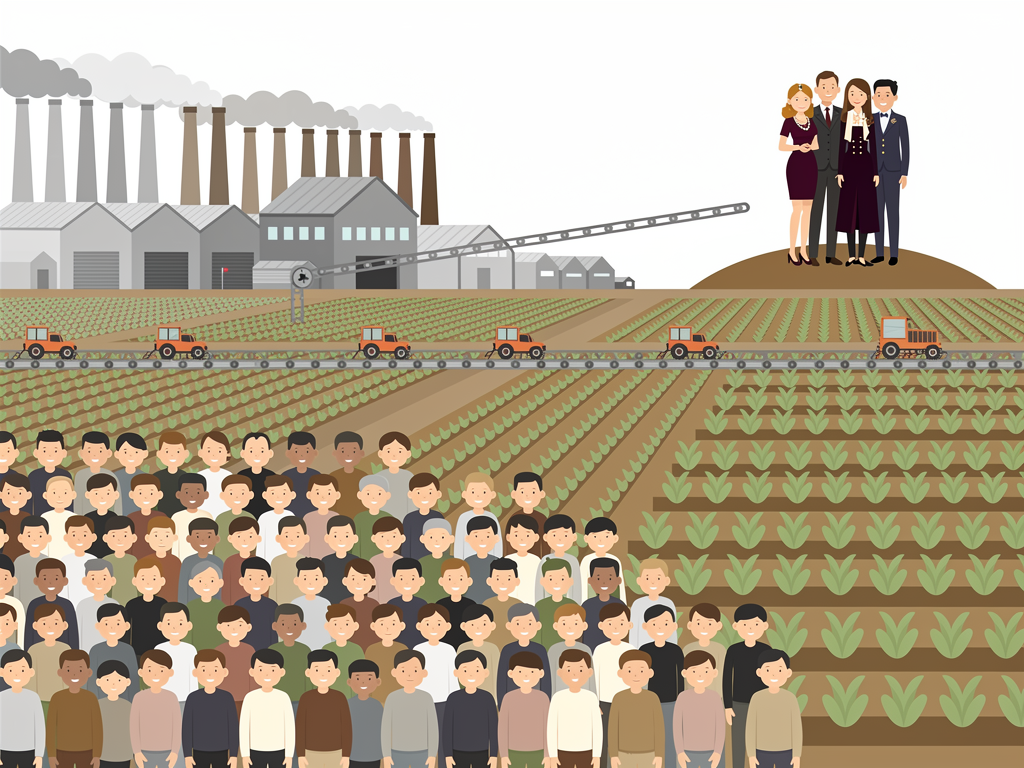
Unequal income distribution limiting mass purchasing power
Weak banking regulation, many small, vulnerable banks
Farmers, Eastern Europeans, and colonized regions already experience hardship. The headline prosperity hides chronic imbalances that make the global system highly vulnerable to shocks.
Gold Standard Constraints
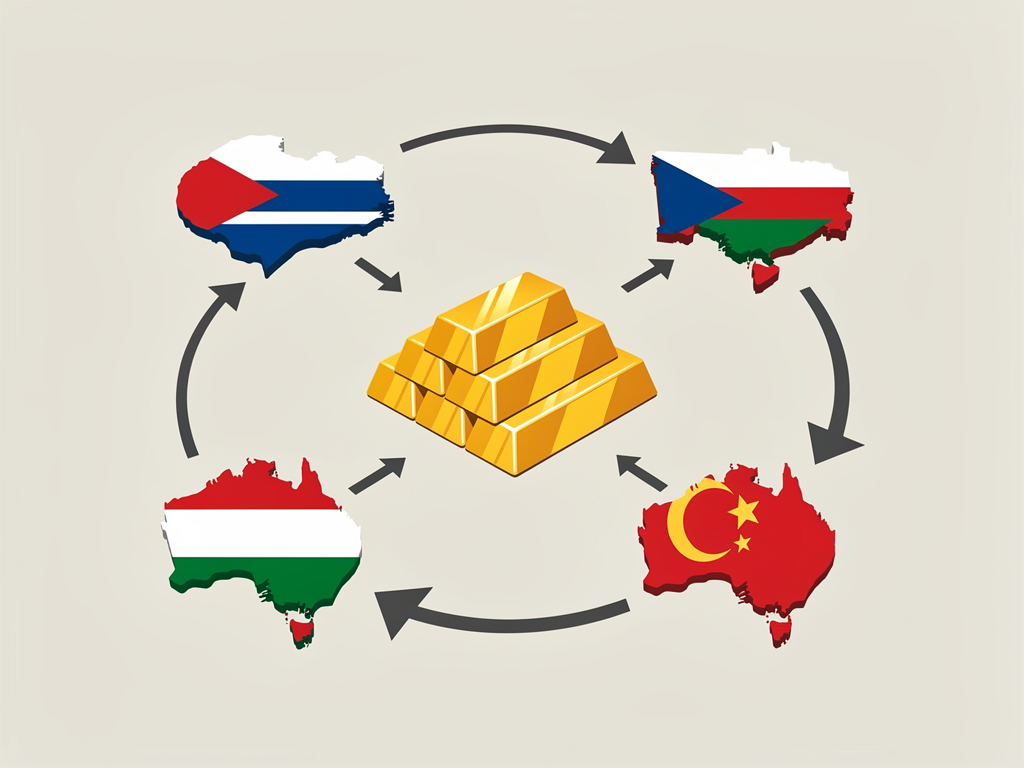
Most major economies use the gold standard, fixing their currencies to gold. This system:
Prioritizes exchange-rate stability over domestic employment
Forces governments to respond to crises with deflation, not stimulus
Transmits shocks internationally via trade and capital flows
When one state tightens, others feel pressure to follow, deepening global downturns.
The U.S. as Hegemon-in-Waiting
By the late 1920s the United States is the world’s largest creditor and industrial power, yet its leaders hesitate to manage the international system. Unlike Britain before 1914, the U.S. resists:
Acting as lender of last resort
Keeping markets open during downturns
This reluctant hegemony magnifies global instability.
💡 This is just Chapter 1. The full content with all chapters, interactive quizzes, and progress tracking is available in the Octo AI app.