Chapter 1: Origins of the Cold War
What Is the Cold War?
The Cold War is a period of tension (late 1940s–1991) between the United States and the Soviet Union.
- No direct large-scale fighting between them
- Competition in ideas, weapons, and influence
- Fought through threats, spies, and indirect wars
It shapes world politics, borders, and conflicts we still see today.
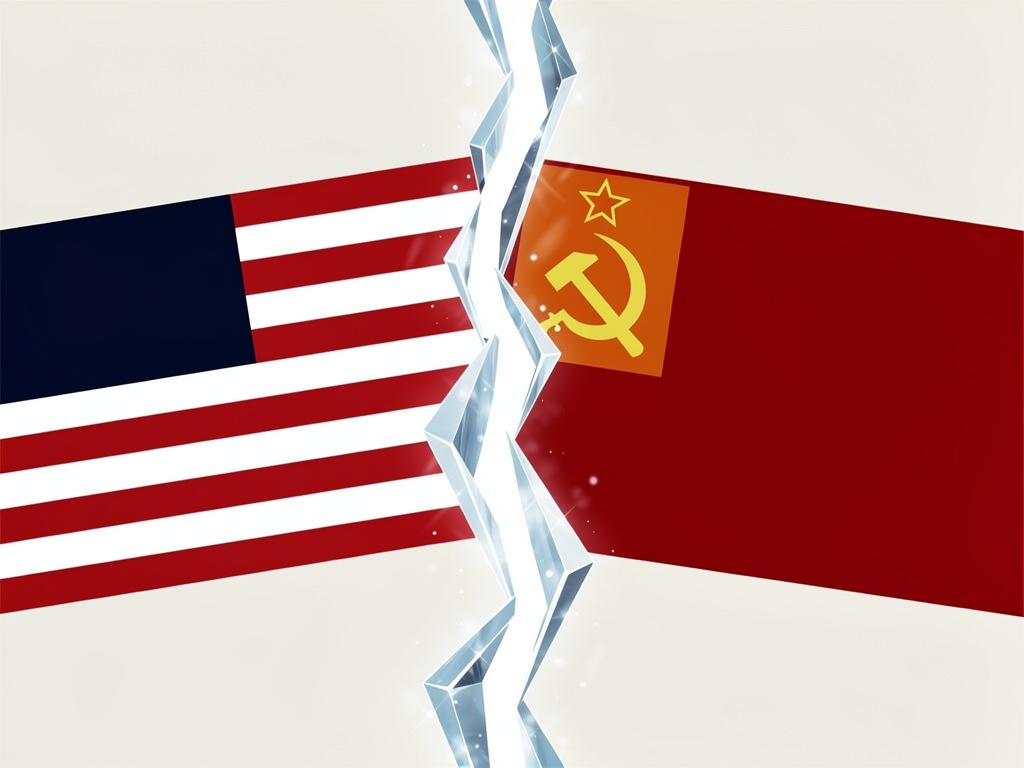
Capitalism vs. Communism
At the core is an ideological conflict:
- USA: capitalism, multi‑party democracy
- USSR: communism, one‑party rule
Each side believes their system is more just and modern.
Both try to spread their model worldwide, fearing the other’s growth.
This fear turns political disagreements into global rivalry.
World War II Background
By 1945, the Allies defeat Nazi Germany, but trust is low:
- USSR suffers huge losses and wants security
- USA fears communism spreading into weak countries
- Disagreements over Poland, Germany, and Eastern Europe
Instead of staying united, the Allies quickly become rivals.
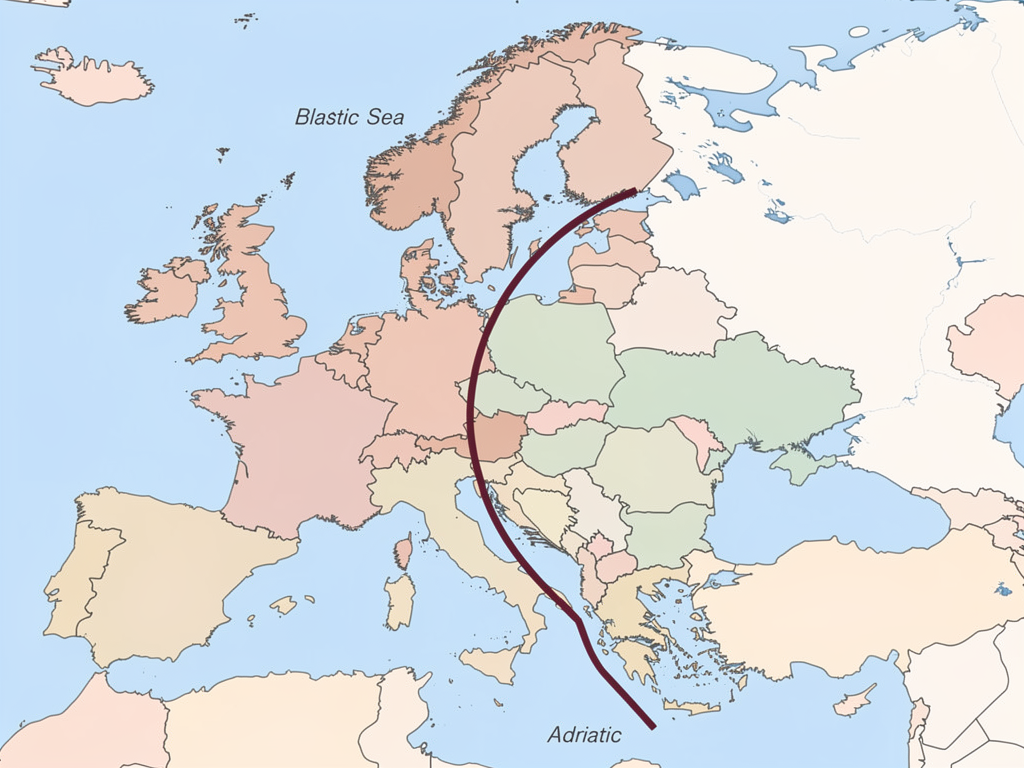
Iron Curtain 🧱
British leader Winston Churchill says an “Iron Curtain” falls across Europe.
- Western Europe: mostly democratic, linked to USA
- Eastern Europe: communist, controlled by USSR
This invisible wall is political and military, not just physical.
It divides families, economies, and ideas for decades.
💡 This is just Chapter 1. The full content with all chapters, interactive quizzes, and progress tracking is available in the Octo AI app.