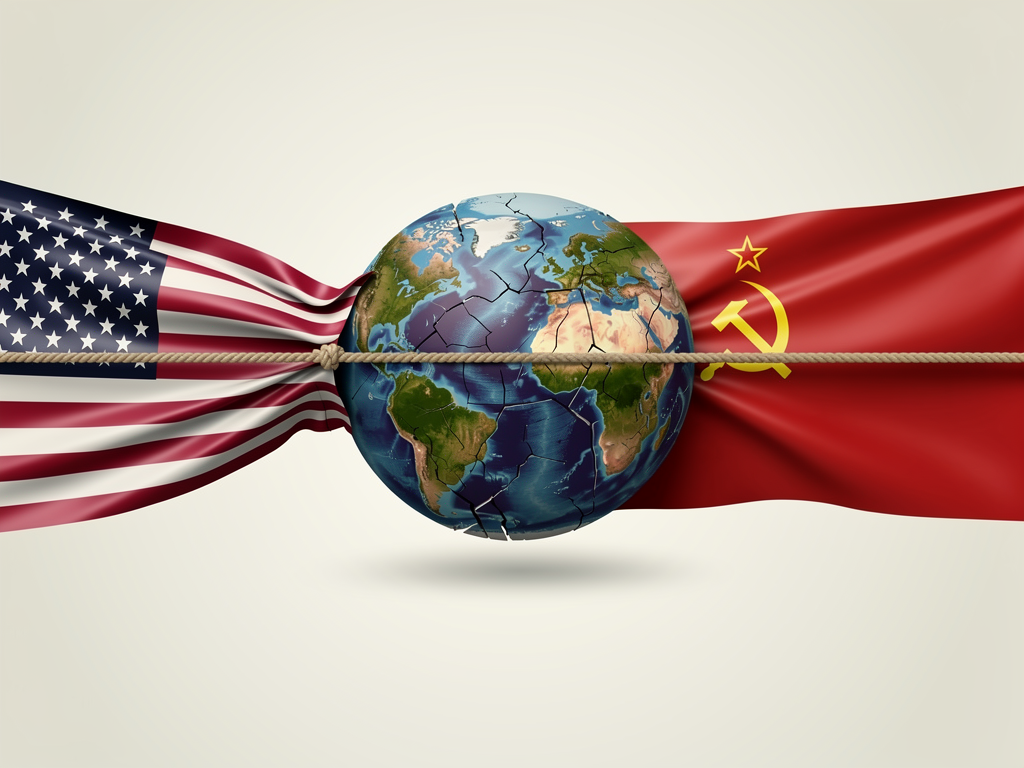
World War II ends with the US and USSR as uneasy victors. Their alliance is tactical, not ideological.
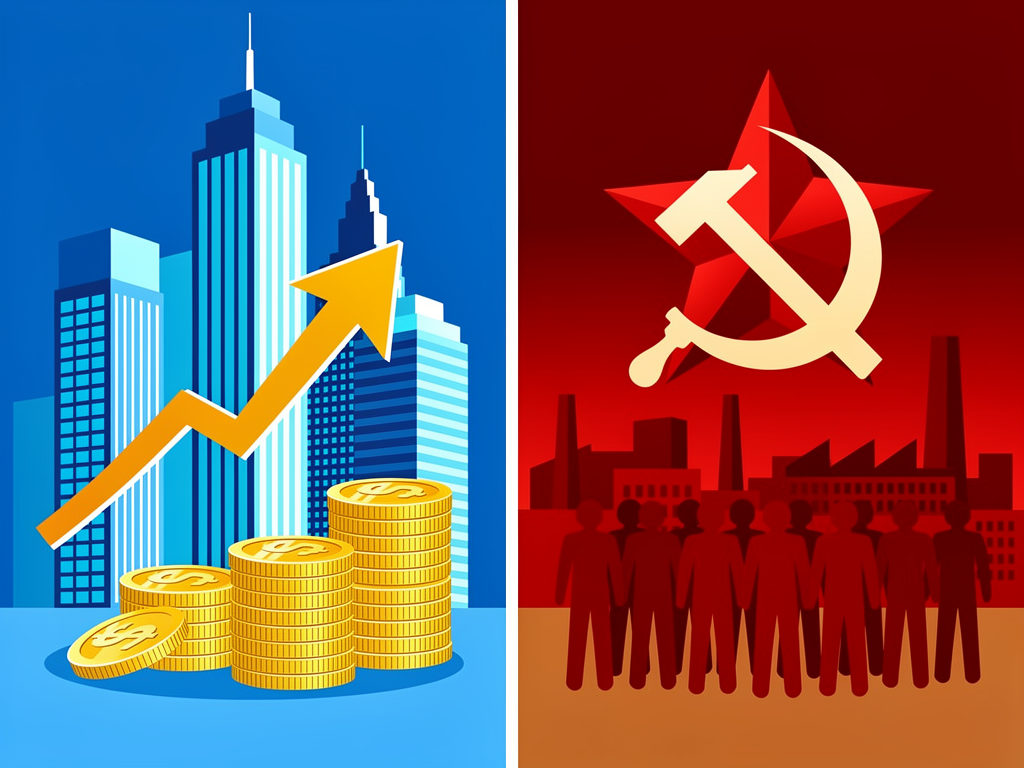
US: liberal democracy, capitalism
USSR: one-party state, planned economy
Both seek security and influence. Once Nazi Germany falls, mutual suspicion resurfaces. Each interprets the other’s actions—Soviet control in Eastern Europe, US atomic monopoly—as evidence of hostile intent. The Cold War emerges as a prolonged, non-shooting confrontation.
Ideological Clash
The Cold War is driven by incompatible worldviews:
Capitalism vs. Communism
Political pluralism vs. one-party rule
Individual rights vs. class-based equality
Each superpower presents its system as universal. Propaganda portrays the other as expansionist and oppressive, turning policy disputes into an existential struggle over the future of modernity.
Yalta and Potsdam 🕊️➡️❄️
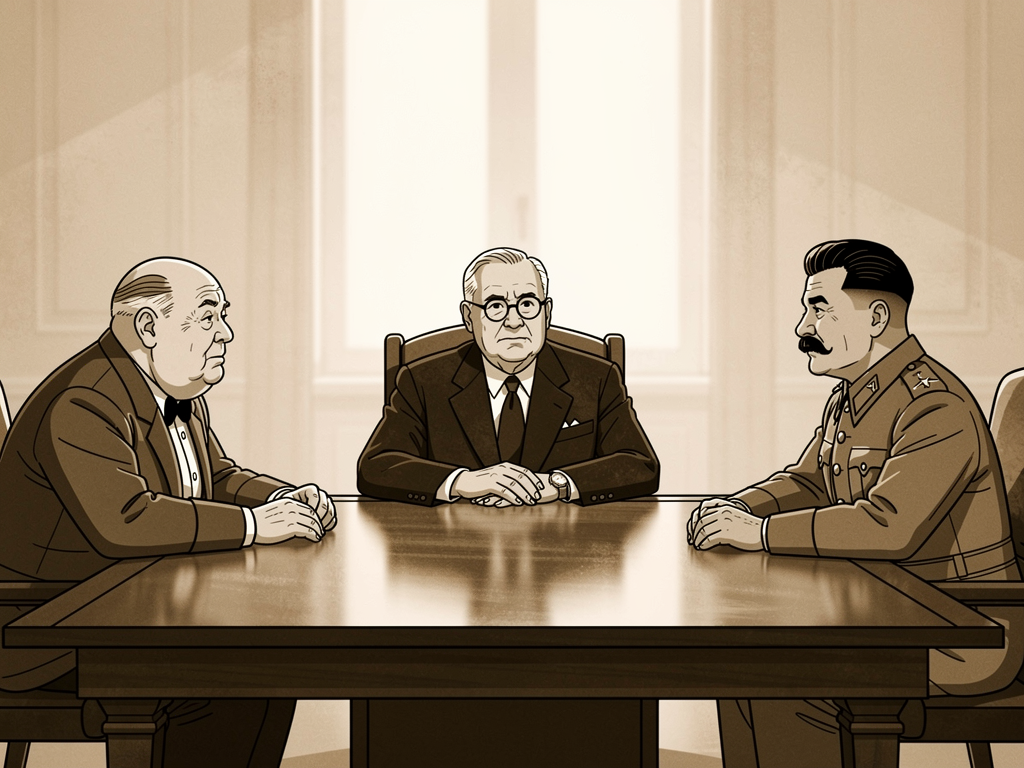
Postwar conferences attempt to design a stable order:
Ambiguous agreements over Poland, Germany, and Eastern Europe let both sides later claim betrayal. These diplomatic gaps become fault lines for future crises.
Long Telegram and Containment
In 1946, US diplomat George Kennan sends the "Long Telegram," portraying Soviet power as inherently expansionist yet cautious.
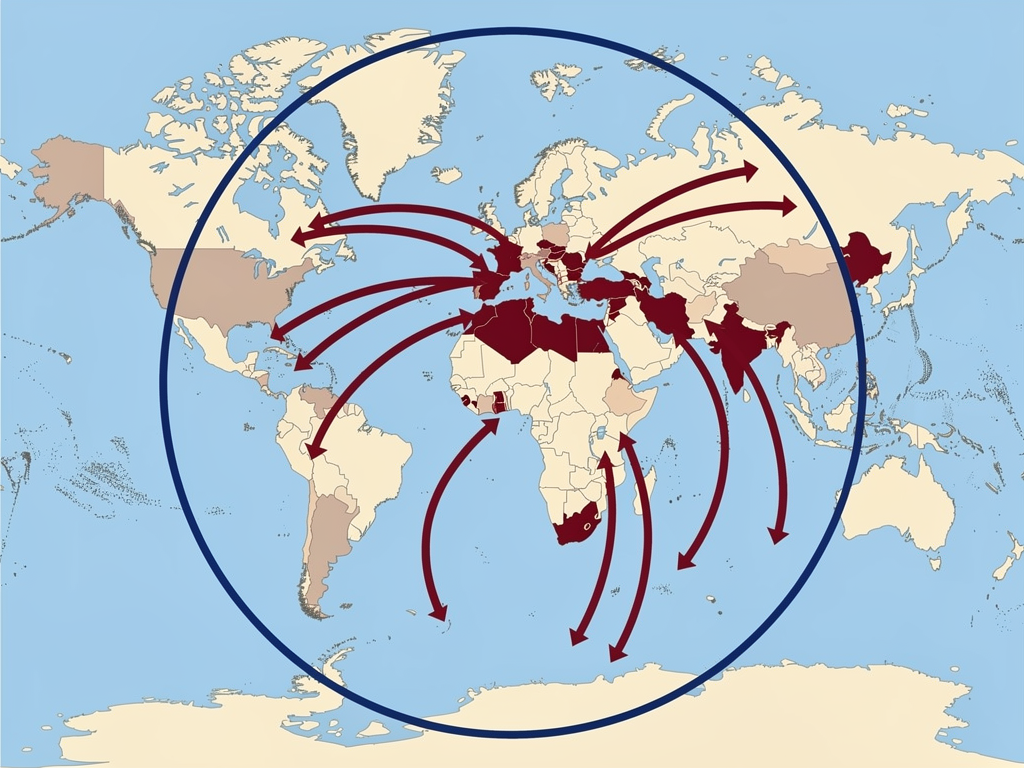
He urges containment: oppose Soviet moves with patient, firm pressure, not direct war. This becomes the backbone of US strategy, framing every regional conflict as part of a global chessboard.
💡 This is just Chapter 1. The full content with all chapters, interactive quizzes, and progress tracking is available in the Octo AI app.