Chapter 1: Origins and Core Ideas
From Empire to Revolution
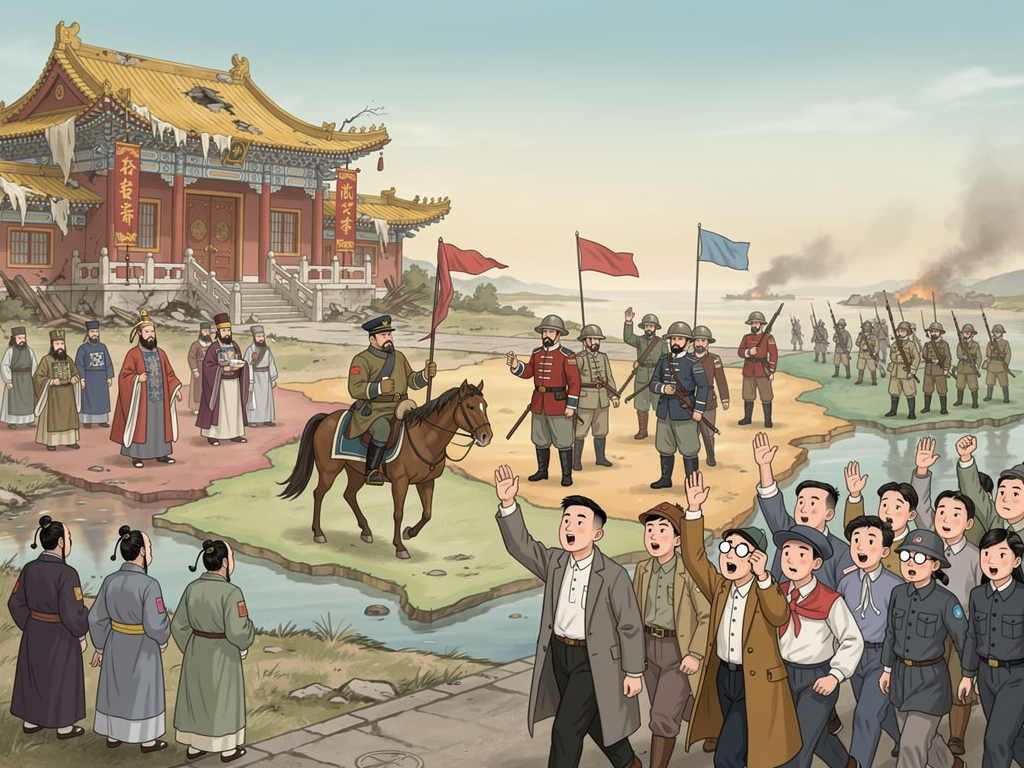
In the early 1900s, China faces foreign invasions, poverty, and a weak Qing dynasty.
Key events:
- 1911: Qing dynasty falls
- Warlords divide China
- Many people seek new answers
In this chaos, some Chinese students and workers turn to Marxism, hoping socialism can save China from humiliation and inequality.
Founding of the CCP (1921)
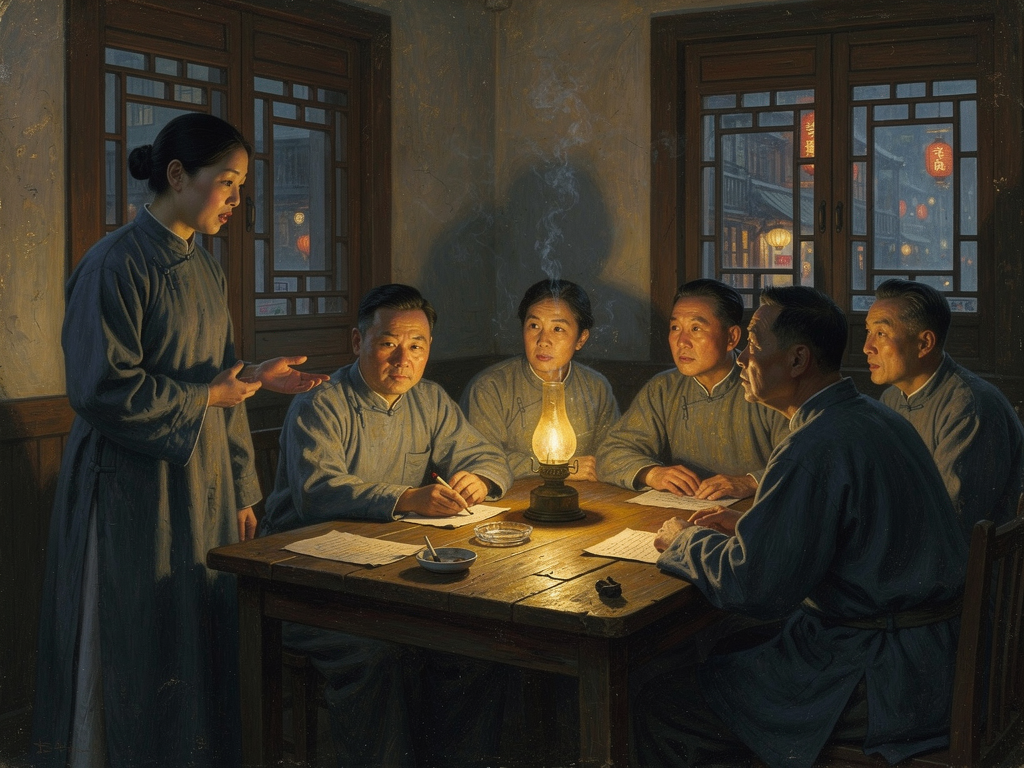
The Chinese Communist Party (CCP) is founded in Shanghai in 1921.
Founders include:
Influences:
- Russian Revolution (1917)
- Marxist ideas about class struggle
Goal: organize workers and peasants to end exploitation and build a socialist China.
Marxism with Chinese Characteristics
The CCP starts with Marxism:
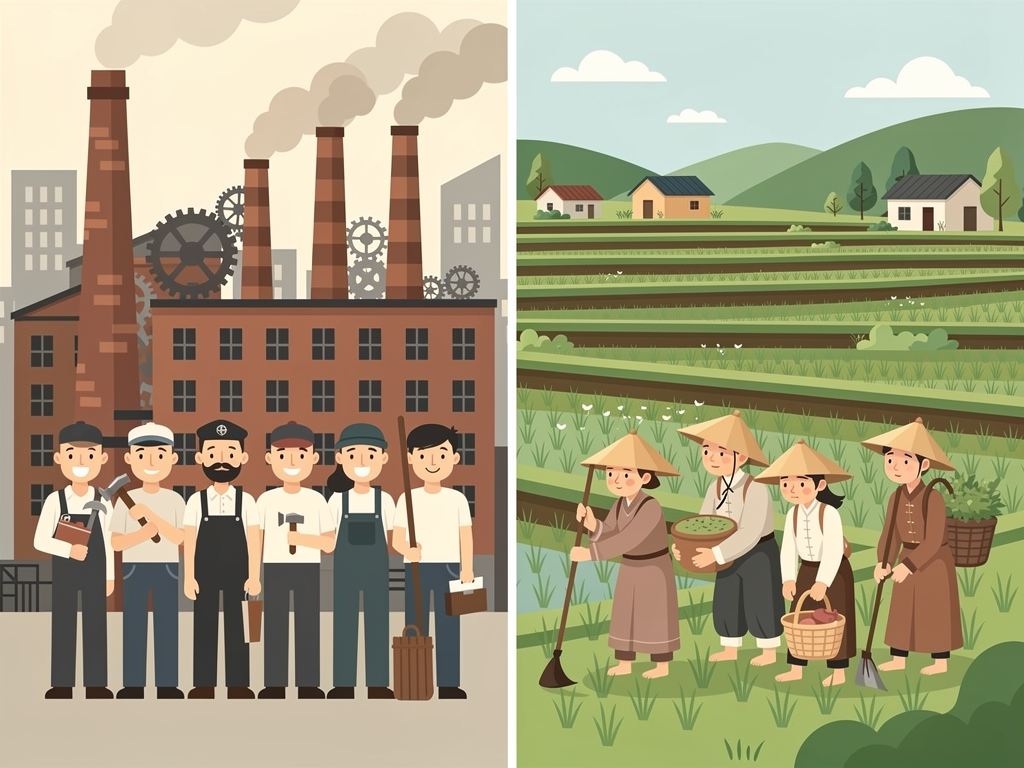
- History is class struggle
- Workers should control production
But China is mostly peasants, not factory workers.
So leaders begin adapting Marxism to China’s reality, focusing more on peasants and national independence than classic European worker revolutions.
Early United Fronts
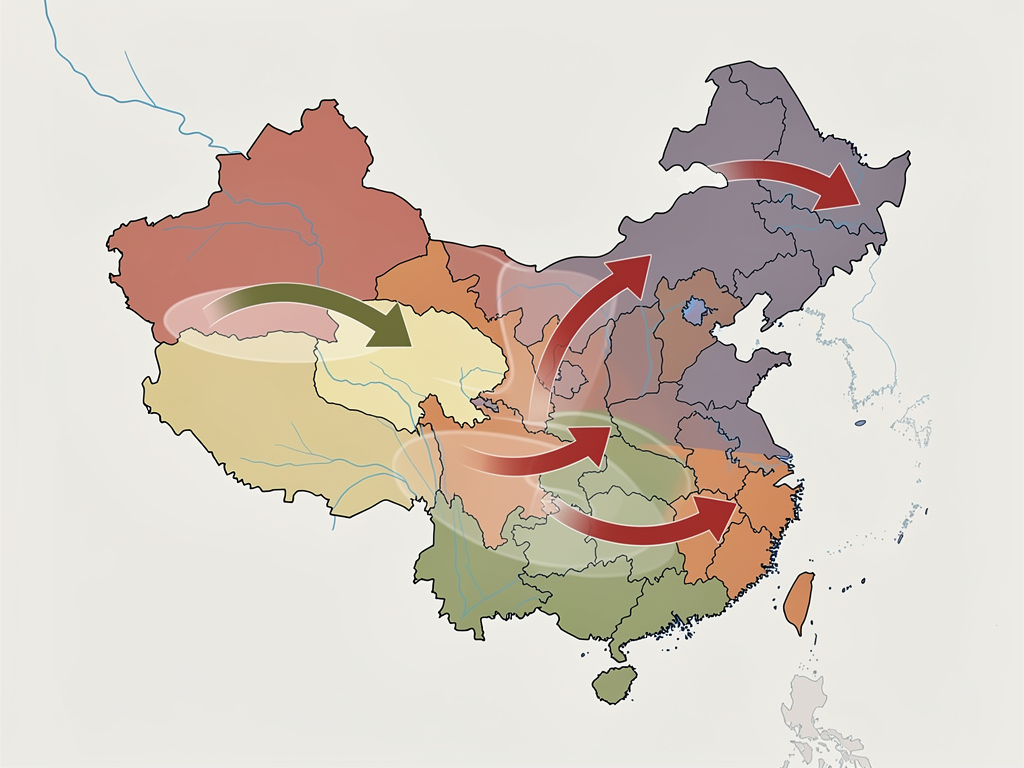
1920s: The CCP briefly cooperates with the Nationalist Party (KMT) to fight warlords and foreign control.
This is called a united front.
But tensions grow:
- 1927: KMT violently purges communists
- Surviving CCP members flee to rural areas
From here, the Party turns toward armed struggle and guerrilla warfare.
💡 This is just Chapter 1. The full content with all chapters, interactive quizzes, and progress tracking is available in the Octo AI app.