Chapter 1: Origins, Ideology, and Organization
From Secret Cell to Ruling Party
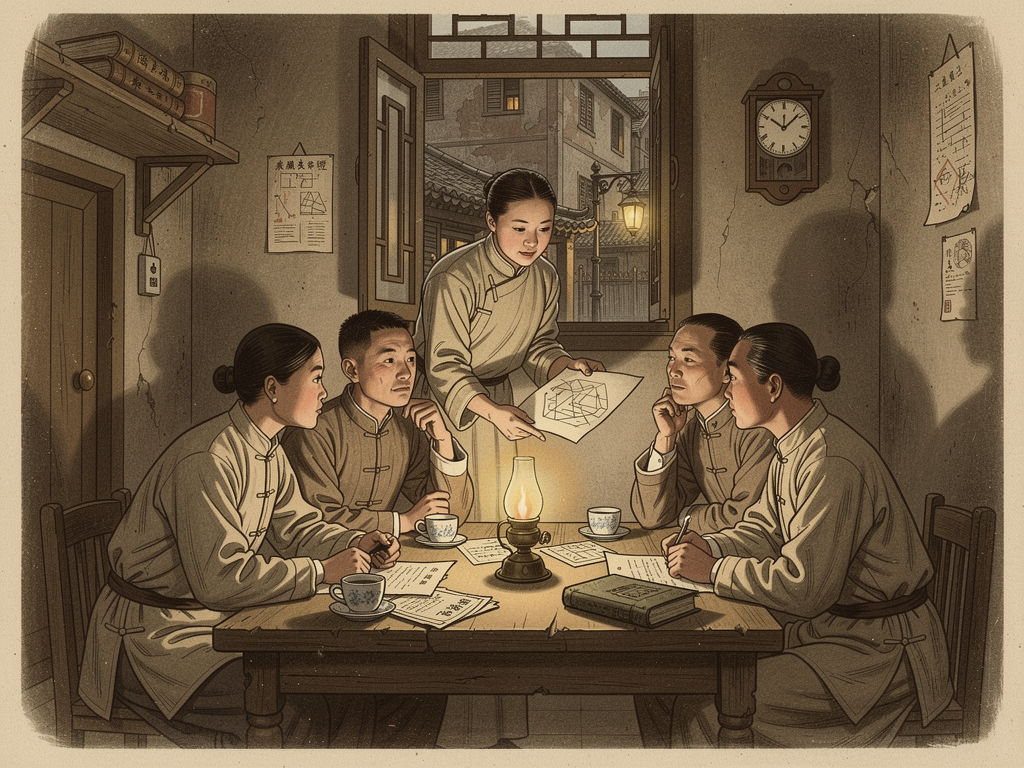
The Chinese Communist Party (CCP) is founded in 1921 amid warlordism and foreign domination.
Key roots:
- May Fourth Movement (1919): nationalist, anti-imperialist protests
- Marxism–Leninism: introduced through translations and Soviet influence
The CCP initially operates underground, competing with the Nationalist Party (GMD) for leadership of China’s revolution.
Core Ideological Foundations
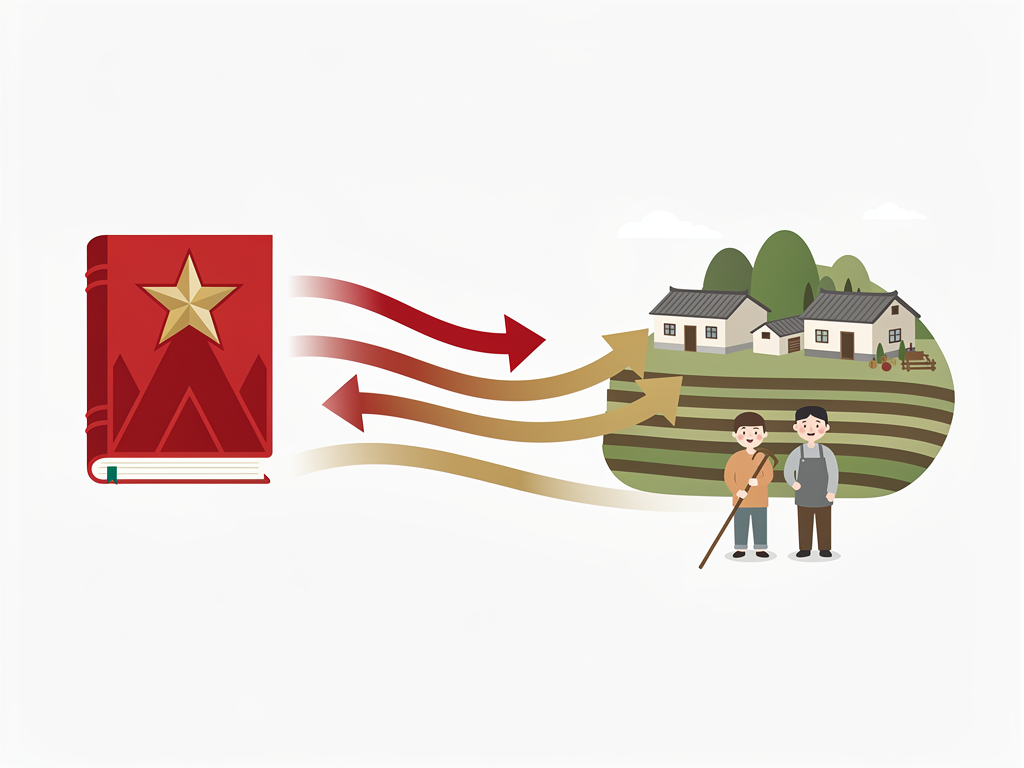
The CCP’s ideological base combines:
- Marxism–Leninism: class struggle, vanguard party, democratic centralism
- Mao Zedong Thought: peasant-based revolution, protracted people’s war
Over time, new doctrines are added, but all claim to sinicize (adapt to Chinese conditions) Marxism.
Democratic Centralism Explained
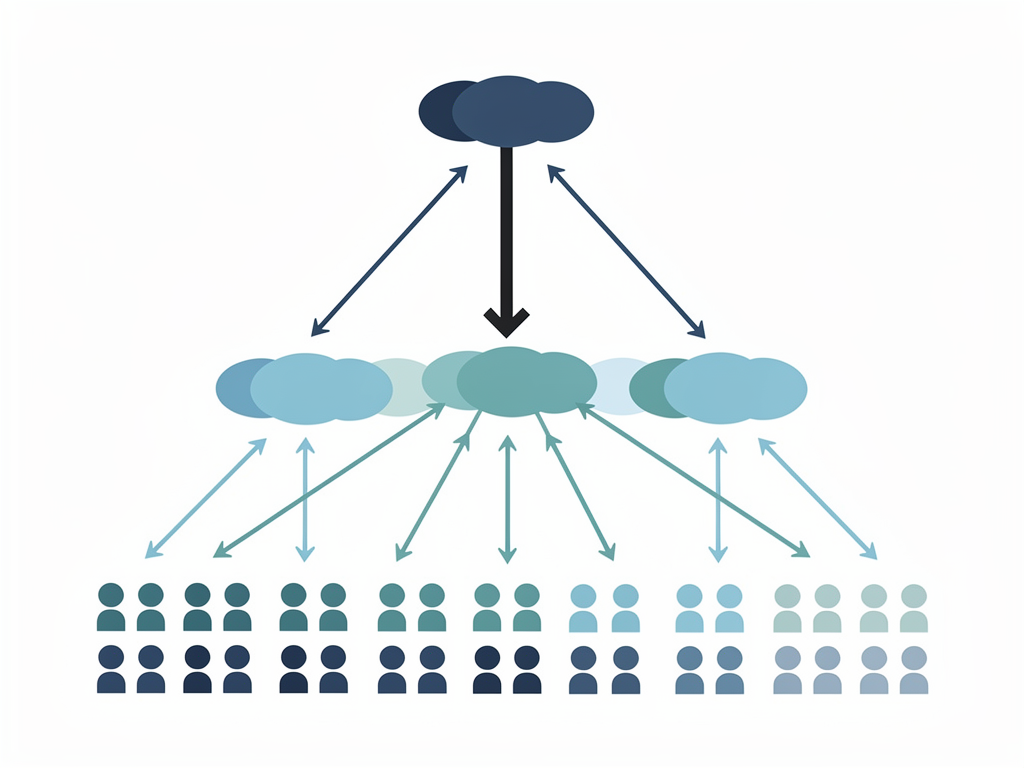
CCP organization follows democratic centralism:
1. Internal discussion and limited debate
2. Majority (or leadership) decisions
3. Strict unity in implementation
> Once a decision is made, public dissent by members is illegitimate.
This structure concentrates power at the top while preserving a façade of internal consultation.
Party–State Fusion
China is officially a party-state:
- The CCP leads
- The state executes
Key features:
- Party committees embedded in government, military, SOEs, universities
- Crucial appointments controlled by Organization Department
Result: the state apparatus is formally separate but politically subordinate to the Party.

Membership and Discipline
CCP membership exceeds 90 million, including officials, professionals, and entrepreneurs.
Expectations:
- Obey Party line
- Attend meetings, pay dues
- Undergo ideological training
Discipline is enforced through:
- Party regulations
- Internal investigations
- Possible expulsion, prosecution
This maintains cohesion but restricts pluralism.
💡 This is just Chapter 1. The full content with all chapters, interactive quizzes, and progress tracking is available in the Octo AI app.