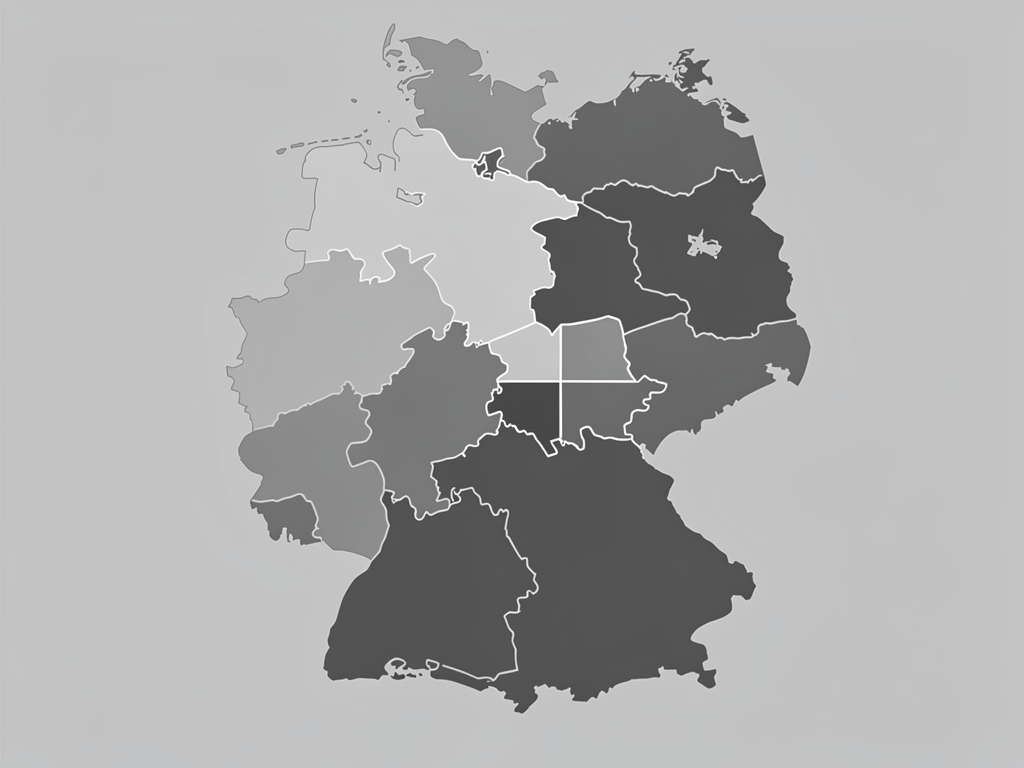
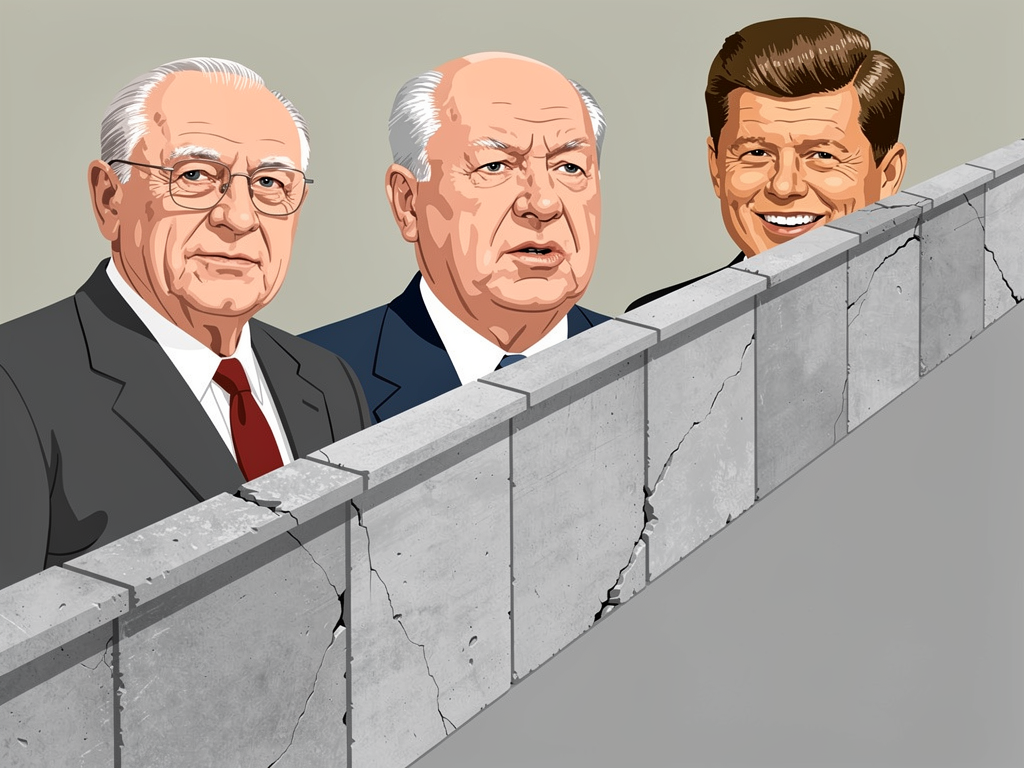
After 1945, defeated Germany is split into four occupation zones: US, UK, France, USSR. Berlin, deep inside the Soviet zone, is also divided.
Western sectors: capitalist, Marshall Plan aid
Eastern sector: socialist, Soviet-controlled
Tensions escalate:
1. Different currencies and political systems
2. 1948–49 Berlin Airlift 🚛✈️
3. Mass migration from East to West
These contradictions make Berlin the Cold War’s most symbolic fault line.
Why the Wall Is Built
By 1961, about 2.7 million East Germans have fled West, many through Berlin. This “brain drain” weakens the GDR economically and ideologically.
Soviet and East German leaders fear:
Loss of skilled workers
Exposure to Western media and consumerism
Demonstration that socialism is unpopular
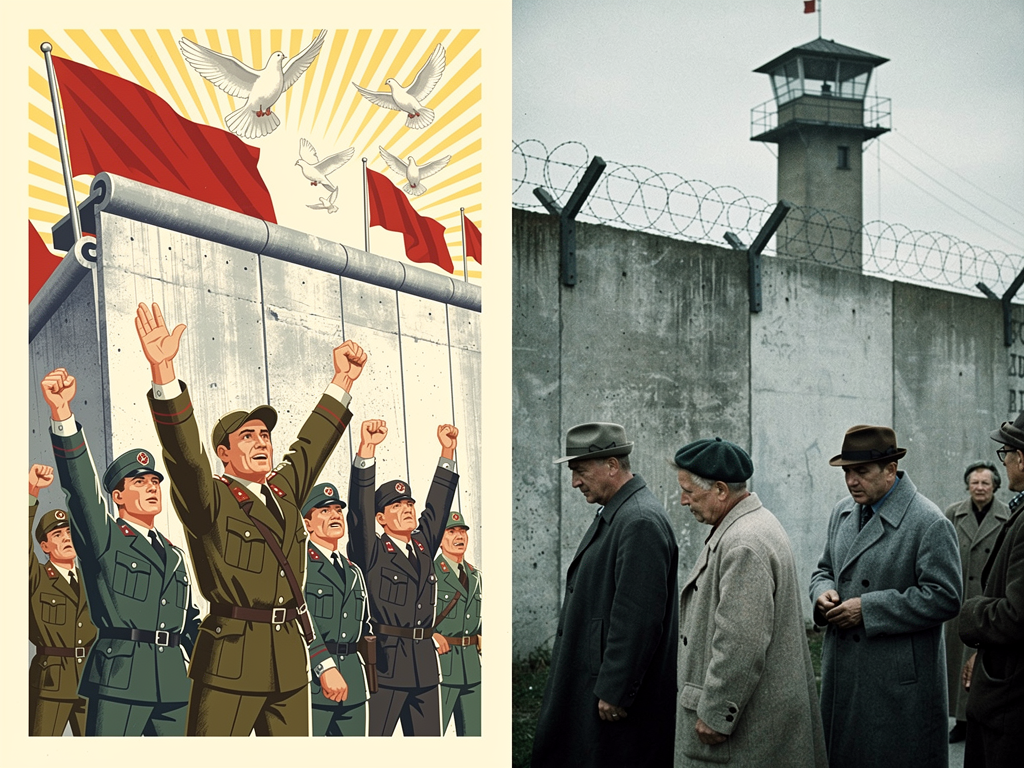
To stem migration, they choose a physical barrier, presenting it as an “anti-fascist protection rampart,” masking its real purpose: imprisoning citizens.
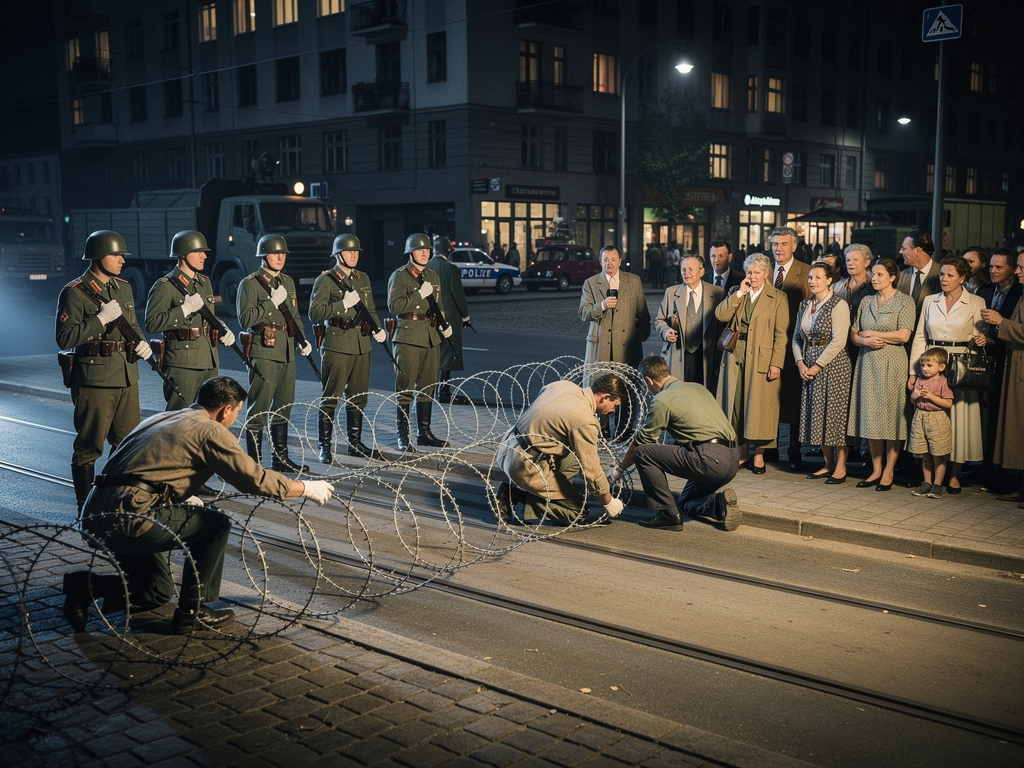
Night of 13 August 1961
In a surprise operation, East German forces seal the border overnight:
Barbed wire and trenches appear along sector boundaries
Streets and rail links are cut
Families wake up divided
> "Berlin will live, and the Wall will fall." — Willy Brandt (later)
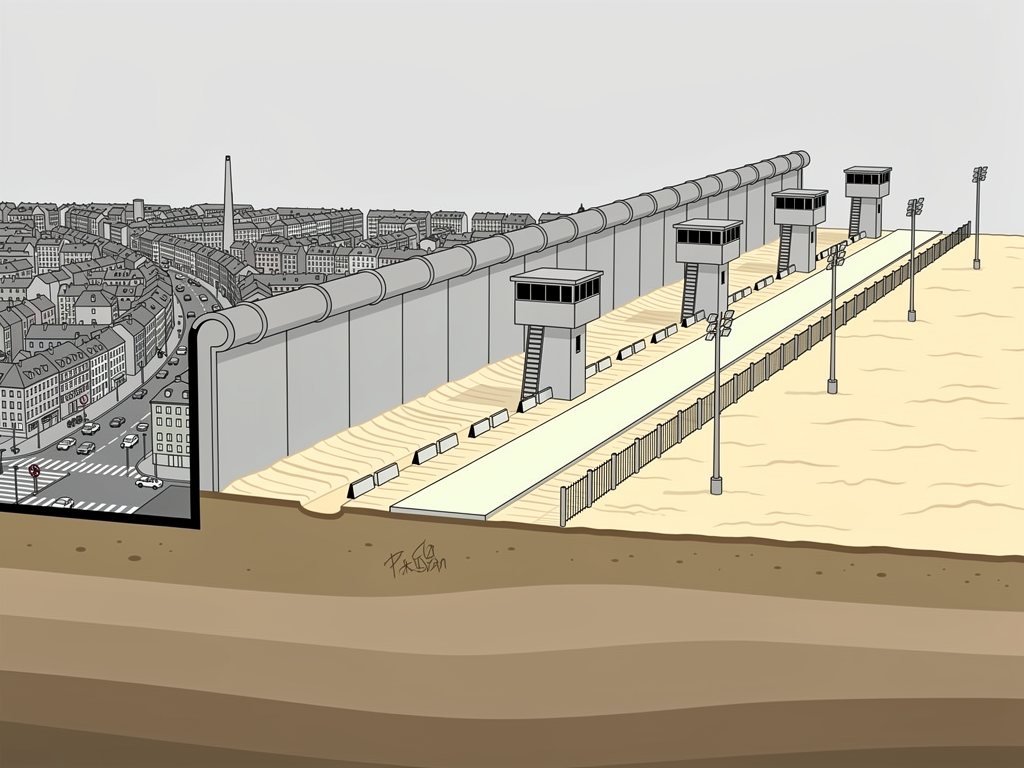
What begins as makeshift fencing rapidly evolves into one of the world’s most fortified borders.
John F. Kennedy: US president, avoids direct confrontation
Kennedy tolerates the Wall as the “lesser evil” compared to war, as long as West Berlin remains free. This cautious acceptance effectively consolidates the division of Germany.
💡 This is just Chapter 1. The full content with all chapters, interactive quizzes, and progress tracking is available in the Octo AI app.