Chapter 1: Text, Context, and Core Ideas
What Is The Art of War?
The Art of War is a concise Chinese military treatise, probably compiled during the Warring States period (5th–3rd century BCE).
- Attributed to Sun Tzu (Sunzi), a semi-legendary strategist
- 13 brief chapters on planning and conducting war
- Influences diplomacy, management, cybersecurity today
Key idea: victory arises from knowledge, discipline, and adaptation, not brute force.
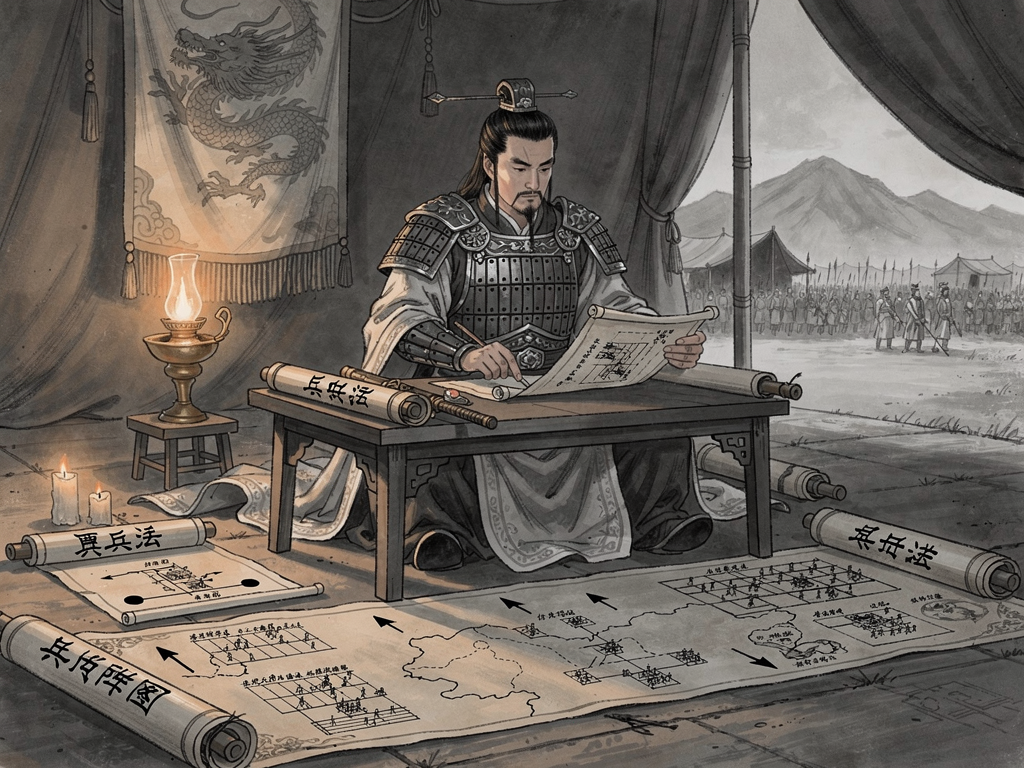
Historical Context
Sun Tzu writes amid incessant warfare between Chinese states.
- Constant conflict encourages strategic innovation
- Rulers seek methods to win cheap, fast, decisively
- Legalist bureaucracies value calculation and control
His treatise distills experience into general principles, aiming to reduce uncertainty in war while accepting its inherent volatility.
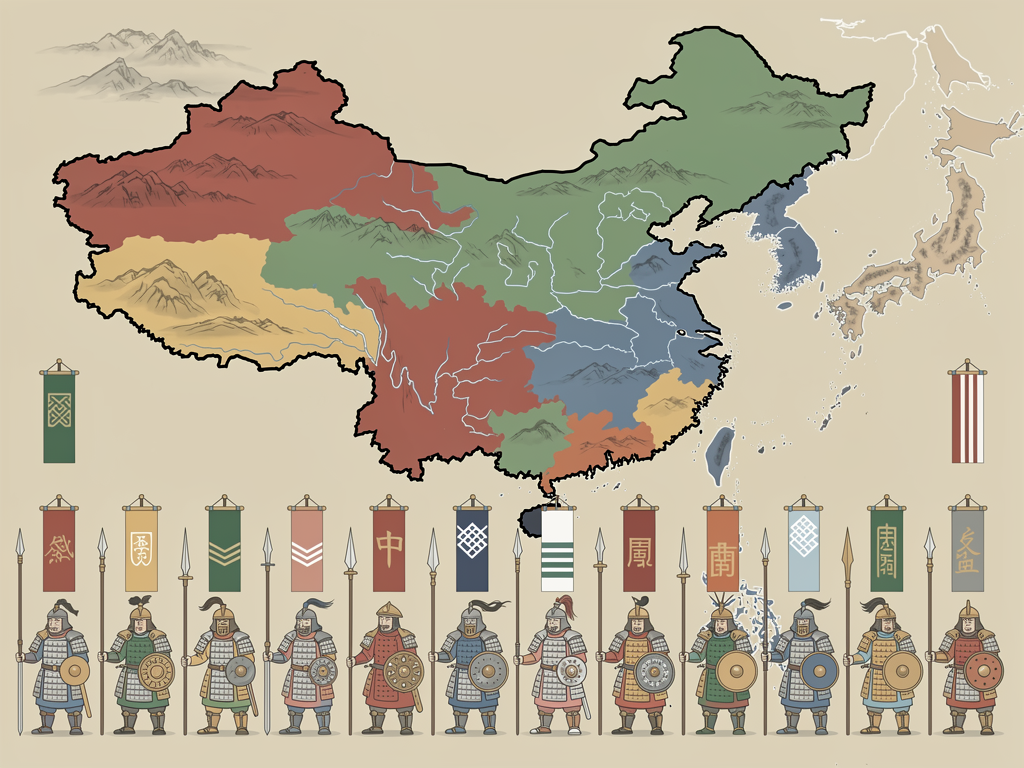
Aim of the Work
Sun Tzu is not glorifying violence.
> “To subdue the enemy without fighting is the acme of skill.”
Goals:
- Secure political objectives
- Minimize losses and chaos
- Use intellect over bloodshed
War is treated as a rational instrument of statecraft, not a stage for heroism or revenge.

War as Statecraft
Sun Tzu opens with a warning:
> “War is a matter of vital importance to the state.”
Therefore, leaders must:
- Evaluate motives and costs
- Avoid impulsive campaigns
- Align military action with political necessity
He assumes rulers act prudently, treating war as a last yet calculated resort.
💡 This is just Chapter 1. The full content with all chapters, interactive quizzes, and progress tracking is available in the Octo AI app.