Chapter 1: Causes and Regions
Setting the Stage
The American Civil War (1861–1865) is a brutal conflict between Union (North) and Confederacy (South).
Key tensions:
- Expansion of slavery into new territories
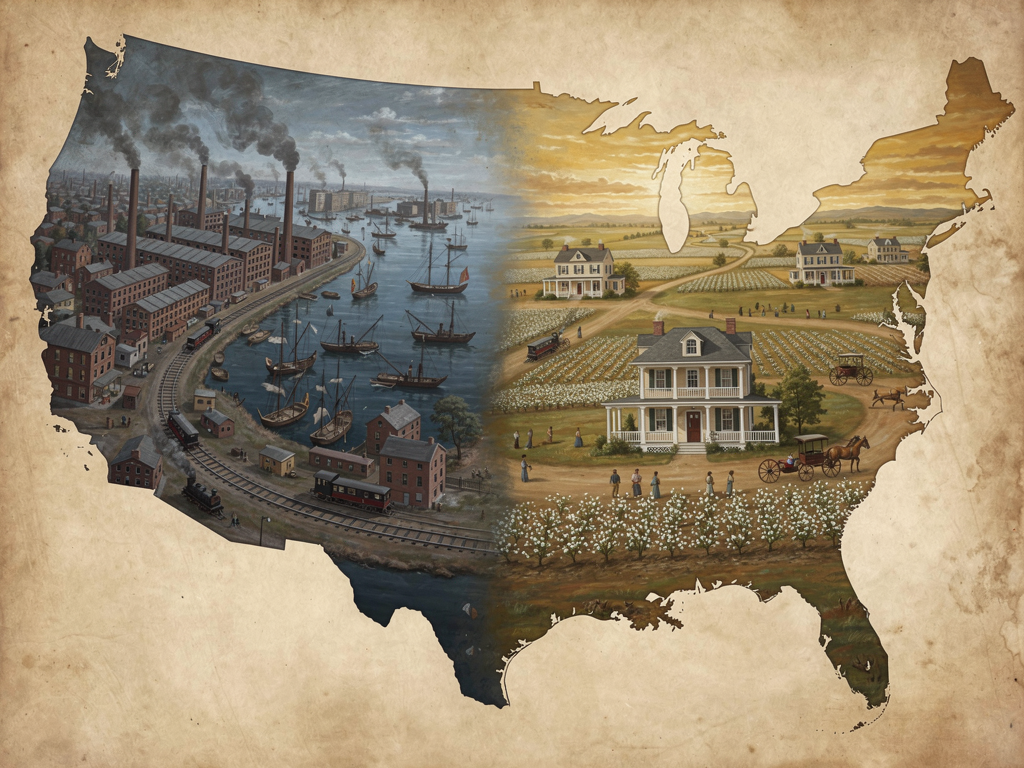
- Economic differences: industry vs. plantations
- Political power in Congress
The war decides two big questions:
1. Can states leave the Union?
2. Will slavery continue to exist?
Slavery at the Core
Slavery is not the only issue, but it is the central one.
- Southern economy relies on enslaved labor
- Northern states mostly abolish slavery
- New states (like Kansas) spark fights over being free or slave
Southern leaders openly say they secede to protect slavery, property, and a racial hierarchy.
States' Rights vs. Federal Power
Southerners claim they defend states' rights.
Important detail: they mainly defend the right to allow slavery.
Northern leaders argue:
- The Union is permanent
- Federal law is supreme in national issues
So the political fight over power is deeply tied to slavery, not separate from it.
Election of 1860 🎯
Abraham Lincoln wins the 1860 election with no Southern electoral votes.
Southern fears:
- Republican Party opposes spread of slavery
- Future laws might weaken or end slavery
Result: Southern states believe they are losing national influence and start planning to leave the Union.
Secession Begins
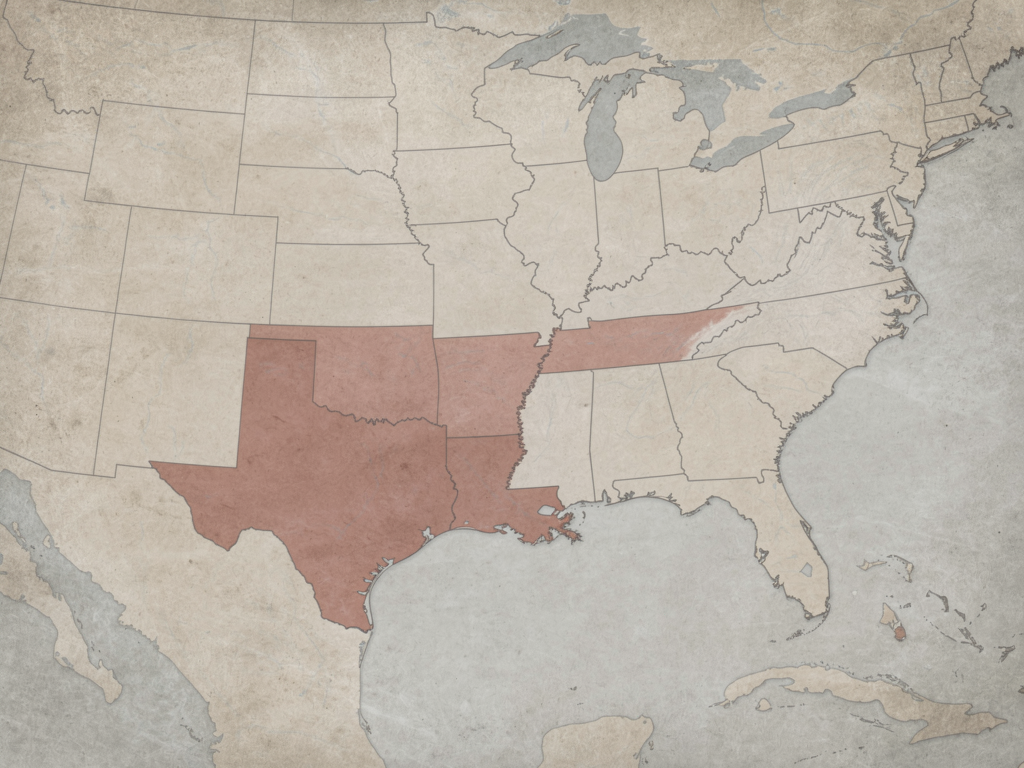
After Lincoln’s election, several Deep South states secede.
First wave:
- South Carolina
- Mississippi
- Florida
- Alabama
- Georgia
- Louisiana
- Texas
They form the Confederate States of America, claiming to be a new nation with its own constitution strongly protecting slavery.
💡 This is just Chapter 1. The full content with all chapters, interactive quizzes, and progress tracking is available in the Octo AI app.