Chapter 1: Origins of Conflict
Setting the Stage
The American Civil War (1861–1865) arises from deep structural tensions.
Key fault lines:
- Slavery vs. free labor
- Competing economic systems
- Divergent political cultures
The conflict is not a sudden eruption but the culmination of decades of sectional crisis, compromised yet unresolved.
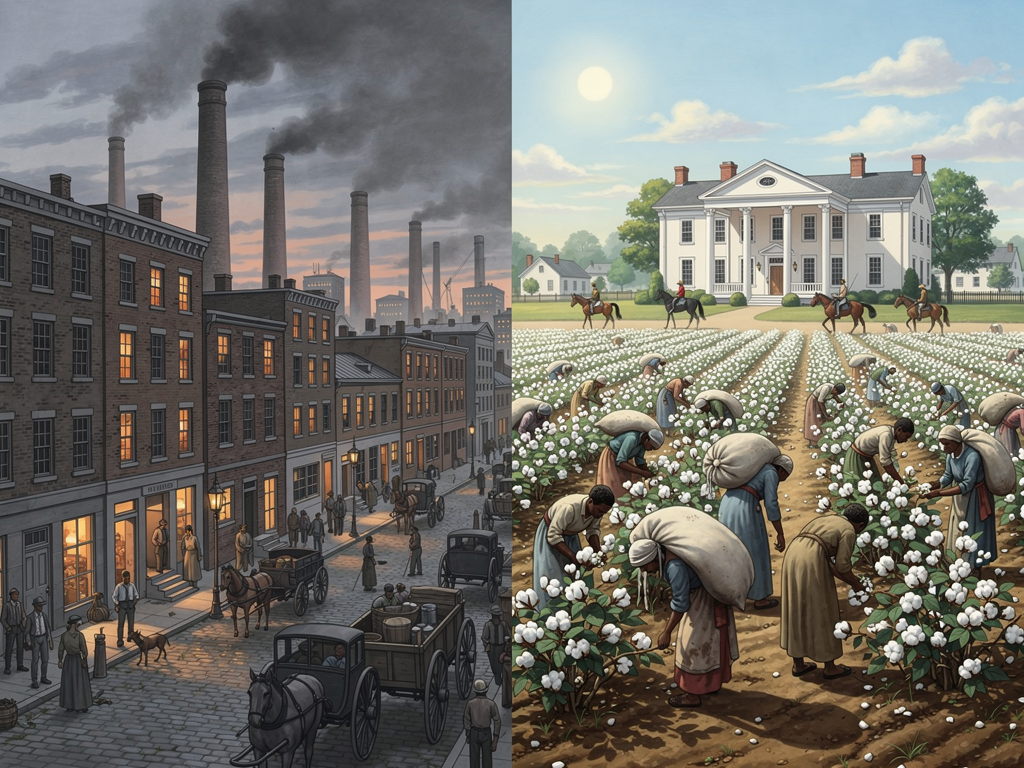
Slavery and Sectionalism
By 1860, slavery is:
- Economically central to the cotton South
- Increasingly condemned in the North
Key developments:
1. Missouri Compromise (1820)
2. Compromise of 1850
3. Kansas–Nebraska Act (1854)
Each seeks balance between slave and free states but instead deepens sectional identities and mistrust.
Political Polarization
Parties fracture under sectional pressure:
- Old Whig Party collapses
- Republican Party forms (1850s), opposing slavery’s expansion
- Democrats split along North–South lines
Politics becomes regional: by 1860, Republicans are almost entirely Northern, foreshadowing disunion.
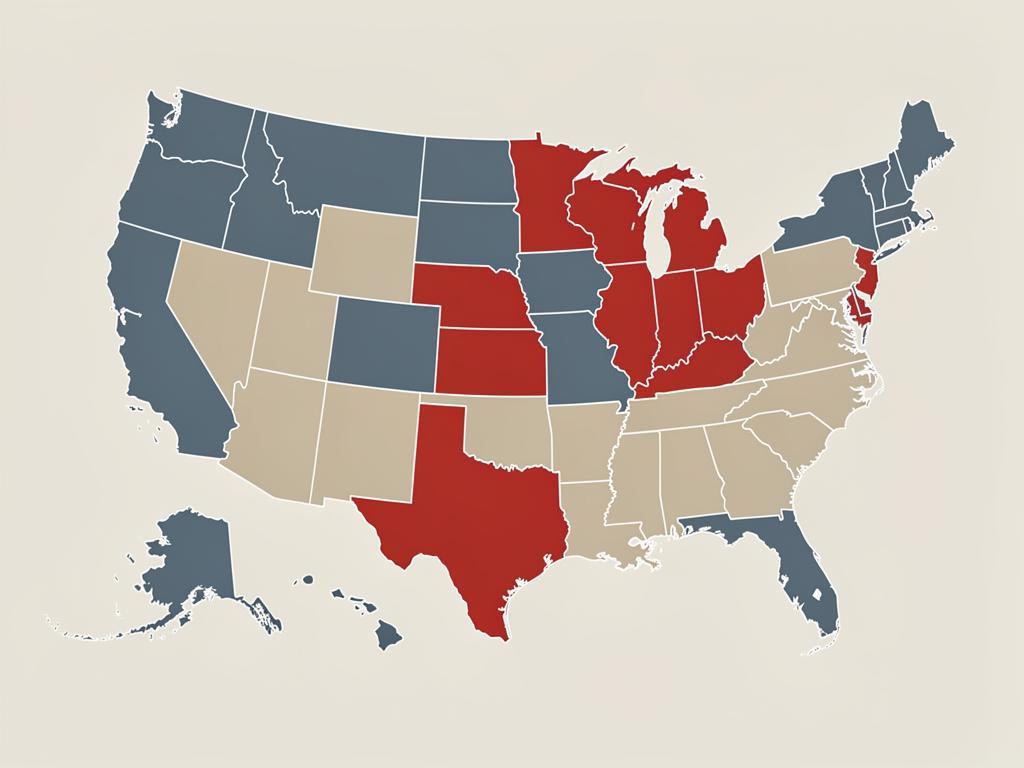
Abolitionism and Resistance ✊🏿
Abolitionists intensify the moral critique of slavery.
Voices and actions:
- Frederick Douglass and slave narratives
- William Lloyd Garrison and radical immediatism
- Underground Railroad networks
Enslaved people resist via escape, sabotage, and everyday defiance, demonstrating slavery’s inherent instability.
The 1860 Election and Secession
Abraham Lincoln wins the presidency with no Southern electoral votes.
Southern leaders interpret this as:
- Permanent loss of national power
- Threat to slavery’s future
Between December 1860 and spring 1861, eleven Southern states secede, forming the Confederate States of America.
💡 This is just Chapter 1. The full content with all chapters, interactive quizzes, and progress tracking is available in the Octo AI app.