Chapter 1: Foundations of Stoicism
What Is Stoicism?
Stoicism is an ancient Greek and Roman philosophy about living well.
Key ideas:
- Control what you can
- Accept what you can’t
- Act with wisdom, courage, justice, self-control
> “We suffer more often in imagination than in reality.” — Seneca
Stoicism is not about feeling nothing. It is about feeling wisely, so emotions don’t control your actions.
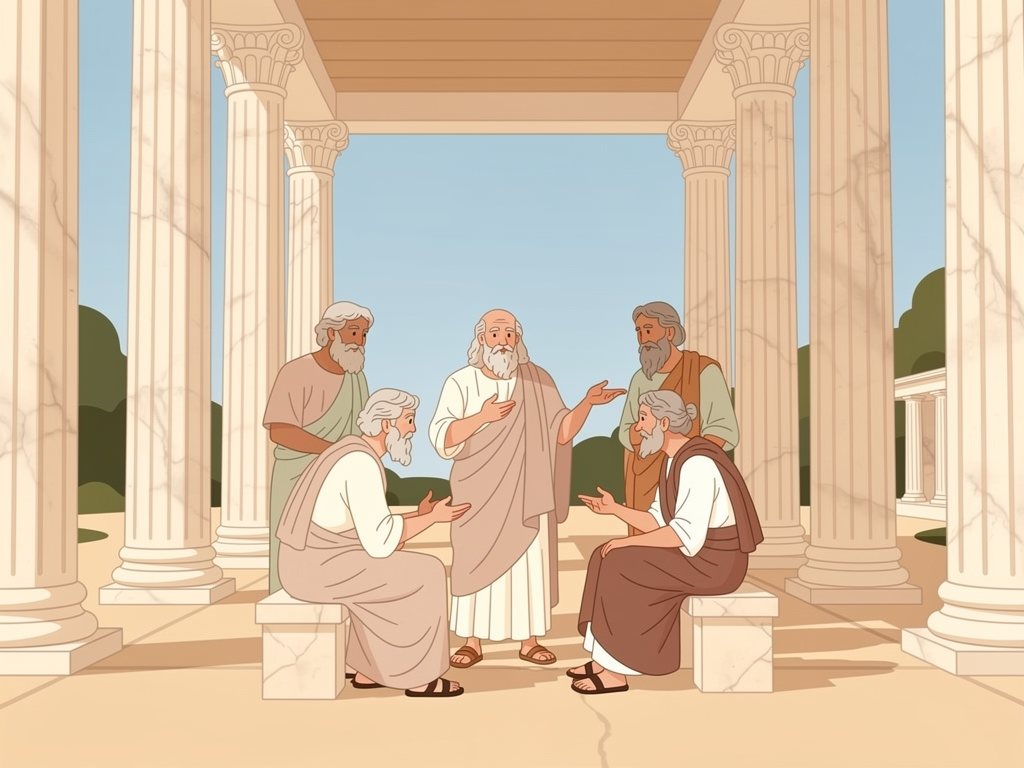
The Stoic Goal
Stoics aim for eudaimonia: a fulfilled, flourishing life.
They believe:
- Happiness depends on character, not luck
- Outer things (money, popularity, health) are unstable
- Inner virtues are reliable and always under practice
So, a Stoic asks: “What is the right thing to do now?” not “What makes me most comfortable now?”
The Three Parts of Stoic Practice
Stoics often talk about three areas:
1. Judgment – How you see and interpret events
2. Desire – What you want or avoid
3. Action – What you choose to do
Improving these three slowly reshapes your life: clearer thinking, calmer desires, and more courageous actions.
Key Stoic Thinkers
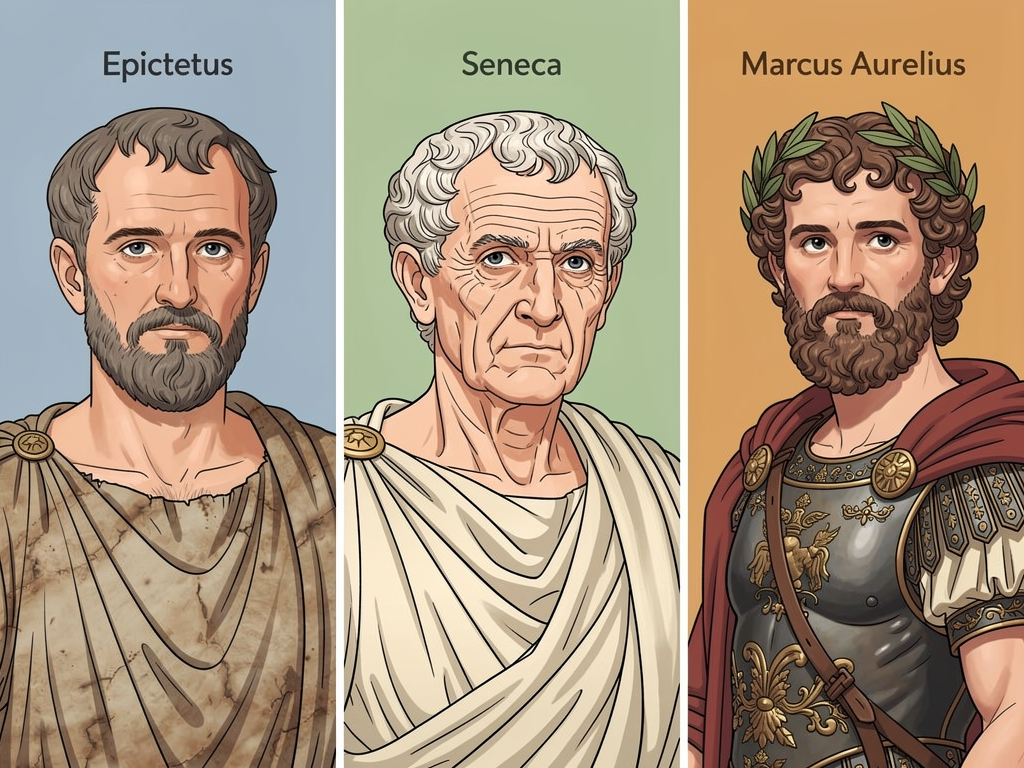
Three major Stoic writers:
- Epictetus – Former slave, taught practical discipline
- Seneca – Roman statesman, wrote letters on daily struggles
- Marcus Aurelius – Emperor who kept a personal journal
They faced real stress: slavery, politics, war. Their ideas are field‑tested, not just academic philosophy.
💡 This is just Chapter 1. The full content with all chapters, interactive quizzes, and progress tracking is available in the Octo AI app.