Chapter 1: Sunlight and Energy Basics
What Is Solar Energy?
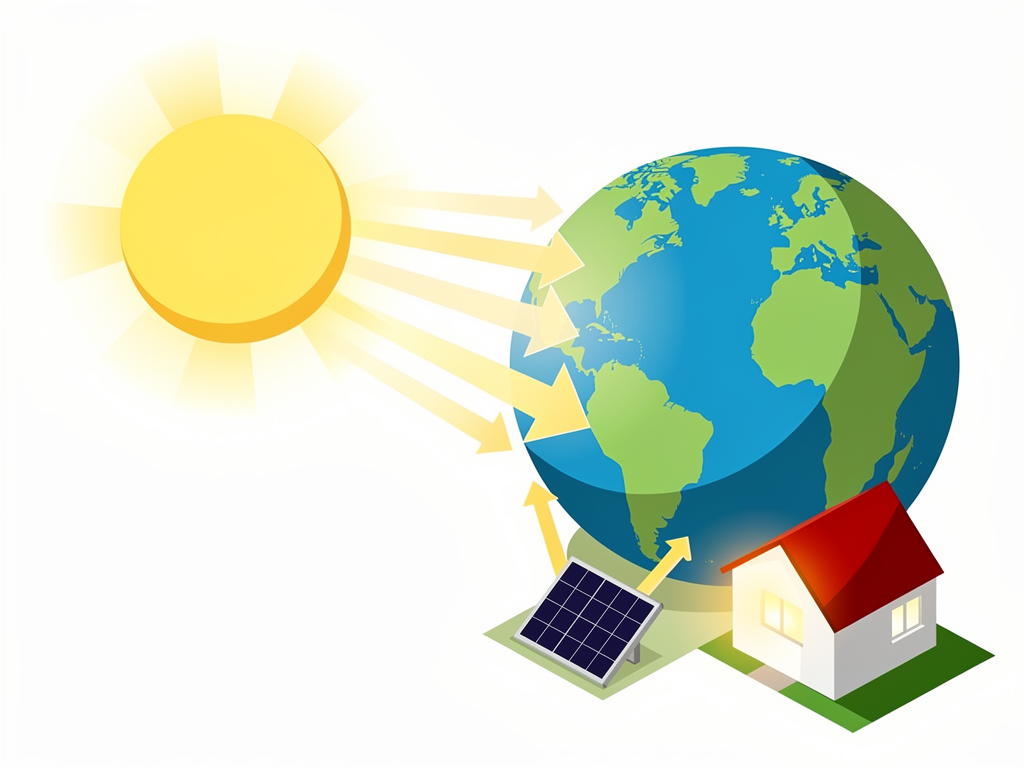
Solar energy is radiation from the Sun that reaches Earth as light and heat.
We can turn this energy into:
- Electricity ⚡
- Heat for water or buildings
Why it matters:
- The Sun shines every day
- No fuel needs to be mined or shipped
- It helps reduce air pollution and climate change
Key idea: The Sun is a giant, clean energy source above our heads.
How the Sun Makes Energy
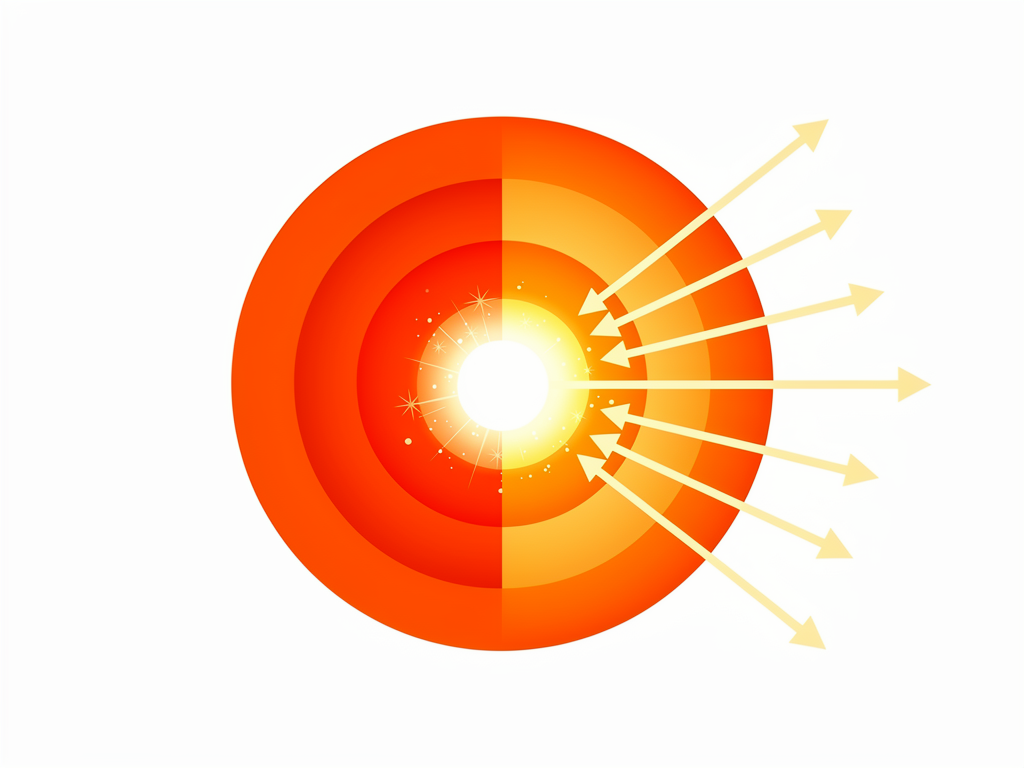
Inside the Sun, atoms of hydrogen join to form helium. This process is called nuclear fusion.
Fusion:
- Releases huge amounts of energy
- Travels outward as light and heat
- Reaches Earth in about 8 minutes
We can’t copy the Sun’s fusion easily, so we just collect its light using solar technologies.
Forms of Sunlight
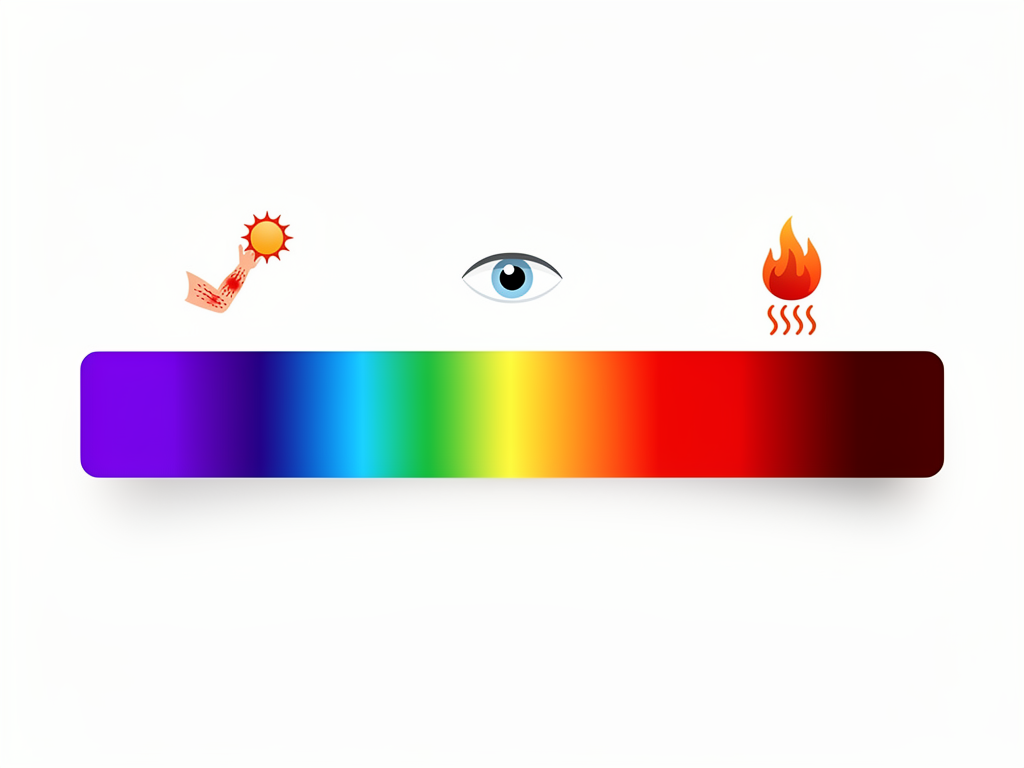
Sunlight carries energy in different ways:
- Visible light 🌈 – what we see
- Infrared – feels like heat on your skin
- Ultraviolet (UV) – can cause sunburn
Solar panels mostly use visible and some infrared light to make electricity.
Takeaway: Different parts of sunlight have different effects and uses.
Solar Energy vs Fossil Fuels
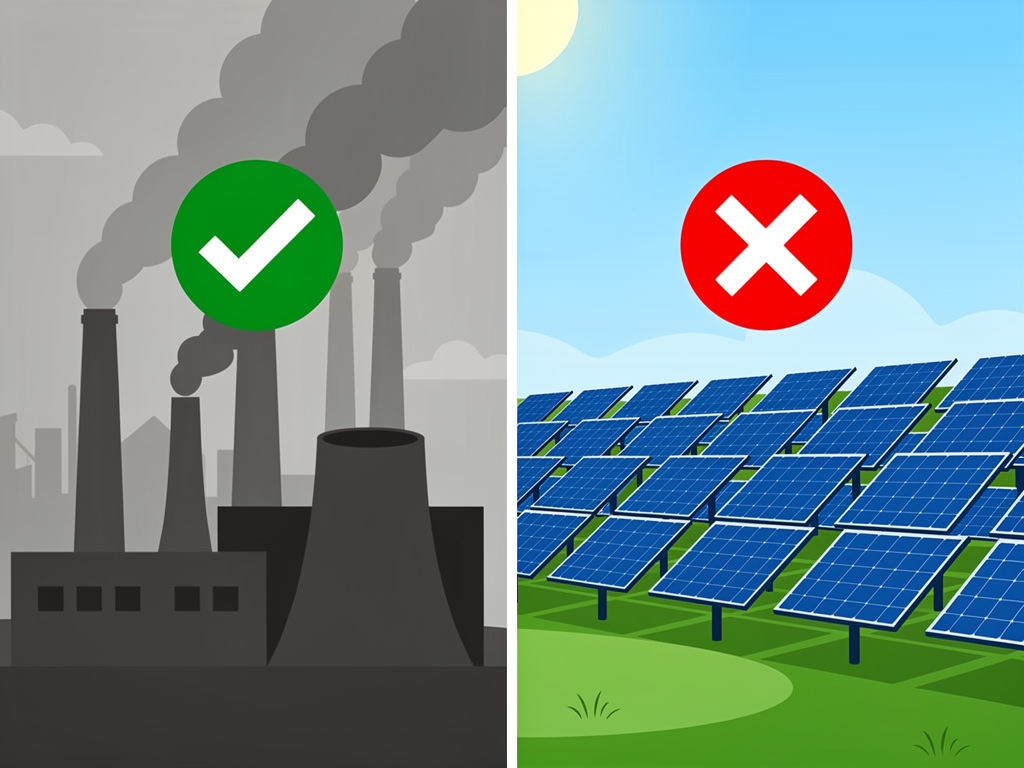
Fossil fuels (coal, oil, gas):
- Release greenhouse gases
- Are limited and take millions of years to form
Solar energy:
- Produces no emissions while generating power
- Is practically renewable on human timescales
However, solar needs equipment and space, and sunlight changes with weather and time of day.
💡 This is just Chapter 1. The full content with all chapters, interactive quizzes, and progress tracking is available in the Octo AI app.