Chapter 1: Foundations of Personal Finance
Why Personal Finance Matters
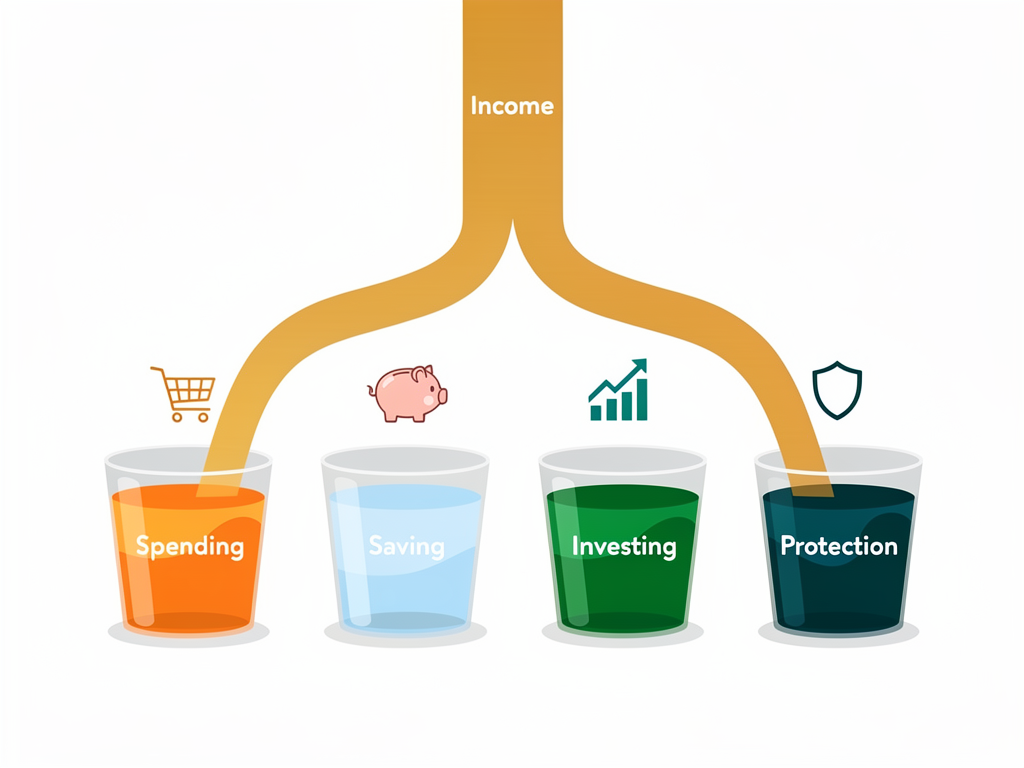
Personal finance is the management of your money over time.
It links:
- Income ➜ what you earn
- Spending ➜ what you use now
- Saving & Investing ➜ what you keep for later
- Risk Management ➜ protection from loss
> Goal: align money decisions with your values and long‑term objectives.
Key Financial Goals
Typical advanced goals:
- Build a 3–6 month emergency fund
- Eliminate high-interest debt
- Save 15–20% of income for retirement
- Plan for education, housing, and healthcare
Each goal trades off current lifestyle versus future security.
Key idea: You cannot optimize everything; you prioritize.

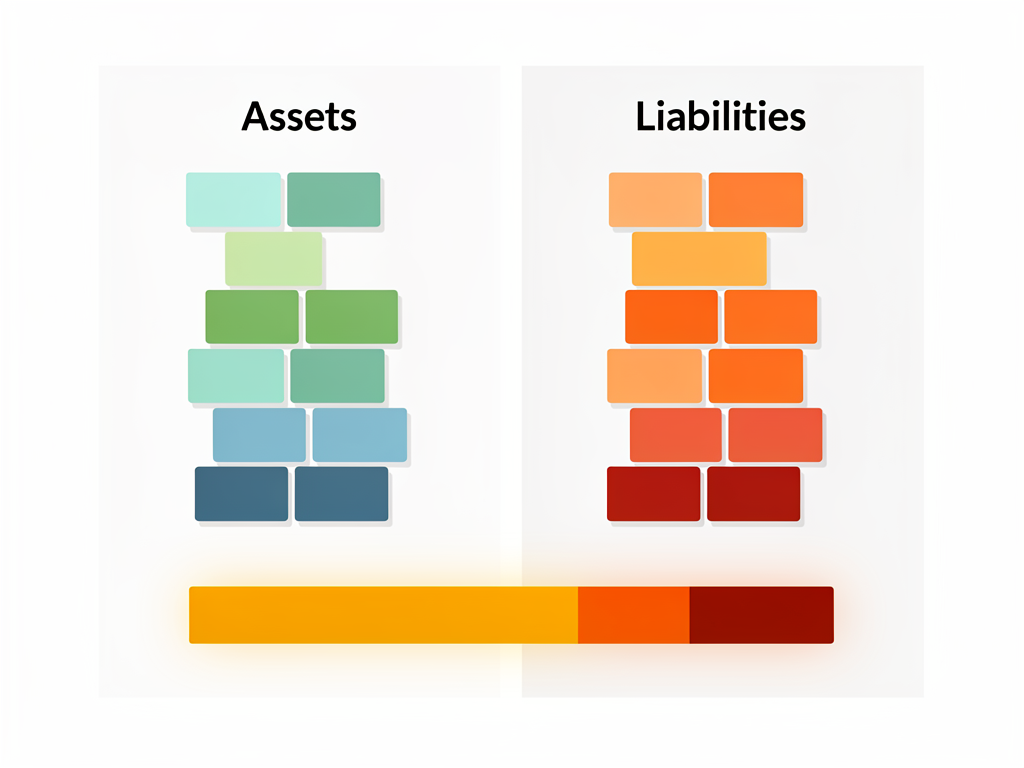
The Personal Balance Sheet
Think of yourself like a small firm.
- Assets: cash, investments, home equity, skills
- Liabilities: debts, obligations
- Net worth = Assets − Liabilities
Rising net worth usually signals financial health, even if income is modest.
Tracking it yearly reveals your financial trajectory.
The Personal Income Statement
Over a period (month or year):
- Income: salary, benefits, side hustles
- Expenses: fixed, variable, discretionary
Savings = Income − Expenses
Savings is your “profit”. A positive, growing surplus funds investing, debt payoff, and flexibility.
The Time Value of Money⏳
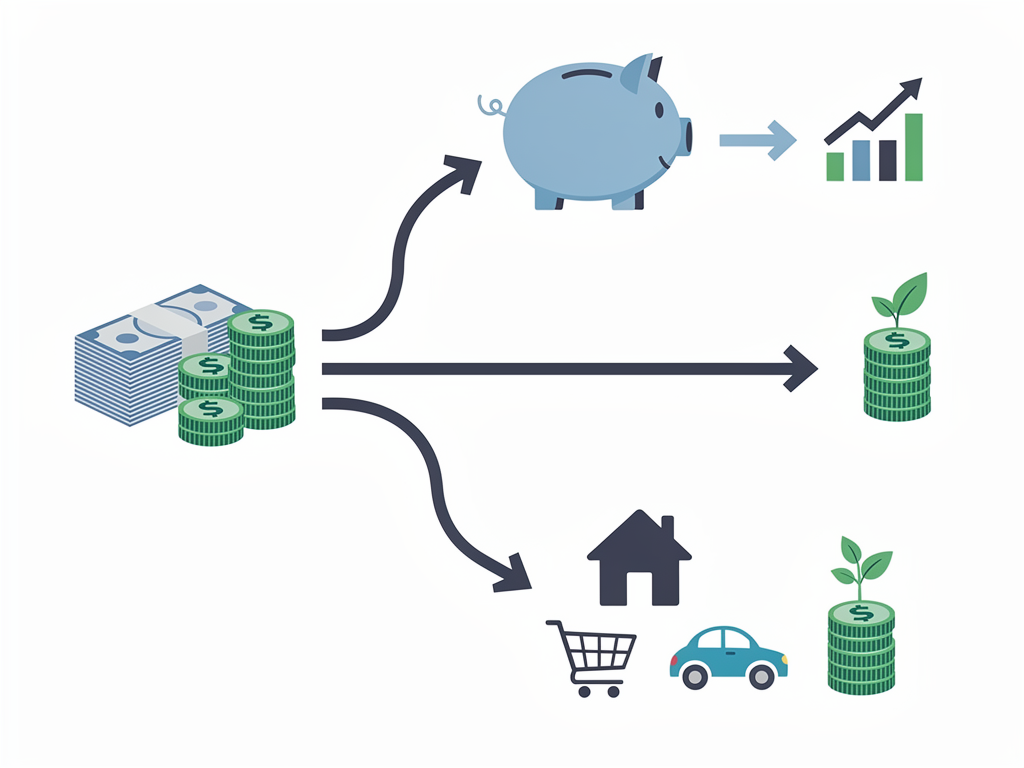
A dollar today is worth more than a dollar tomorrow because it can earn returns.
Core idea:
- Earlier cash flows ➜ more valuable
- Later cash flows ➜ discounted back
This underpins decisions about loans, pensions, and investments.

💡 This is just Chapter 1. The full content with all chapters, interactive quizzes, and progress tracking is available in the Octo AI app.