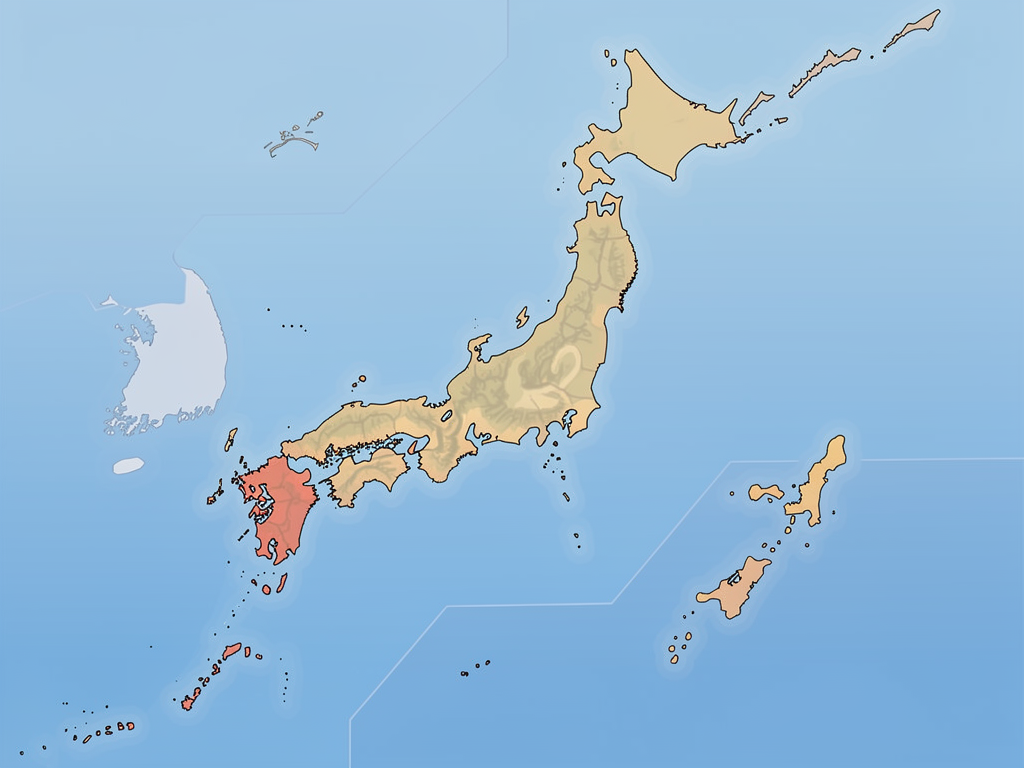
Japan’s insularity shapes security, trade, and cultural exchange, balancing protection with dependence on sea routes.
Volcanoes, Earthquakes, and Tsunamis 🌋
Japan lies on the Pacific Ring of Fire, where tectonic plates converge.
Consequences:
Frequent earthquakes
Active volcanoes (e.g., Mount Fuji)
Tsunami risk along coasts
This hazard-rich setting also brings geothermal energy, hot springs, and fertile volcanic soils, illustrating a persistent trade-off between risk and opportunity.
Climate Diversity
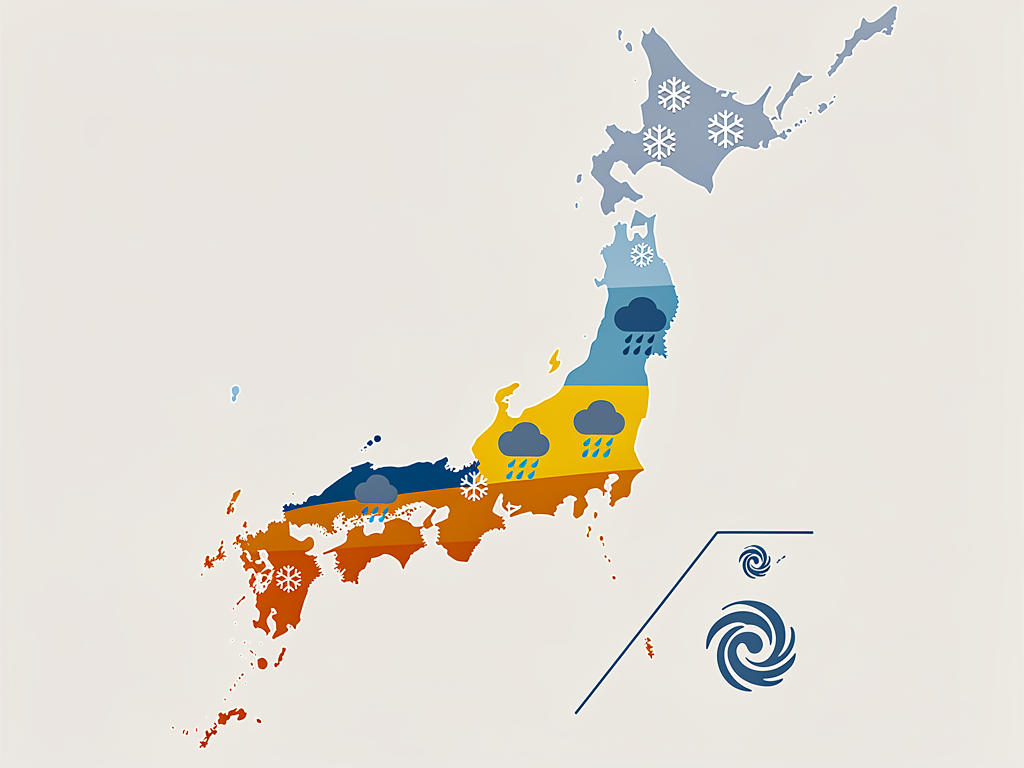
Despite its size, Japan spans several climates:
Humid continental in Hokkaido (cold winters)
Humid subtropical in Honshu, Shikoku, Kyushu
Heavy monsoon rains and summer typhoons
Seasonal rhythms—cherry blossoms, rice planting, autumn foliage—structure agriculture, tourism, and cultural symbolism.
Limited Land, Dense Coasts
Around 70% of Japan is mountainous, constraining settlement and farming.
Effects:
Dense urban corridors on coastal plains
Intensive agriculture on limited arable land
High reliance on imported food and raw materials
This spatial compression encourages vertical building, efficient transport, and careful land-use planning.
💡 This is just Chapter 1. The full content with all chapters, interactive quizzes, and progress tracking is available in the Octo AI app.