Chapter 1: Foundations of the Studio System
Defining the Golden Age
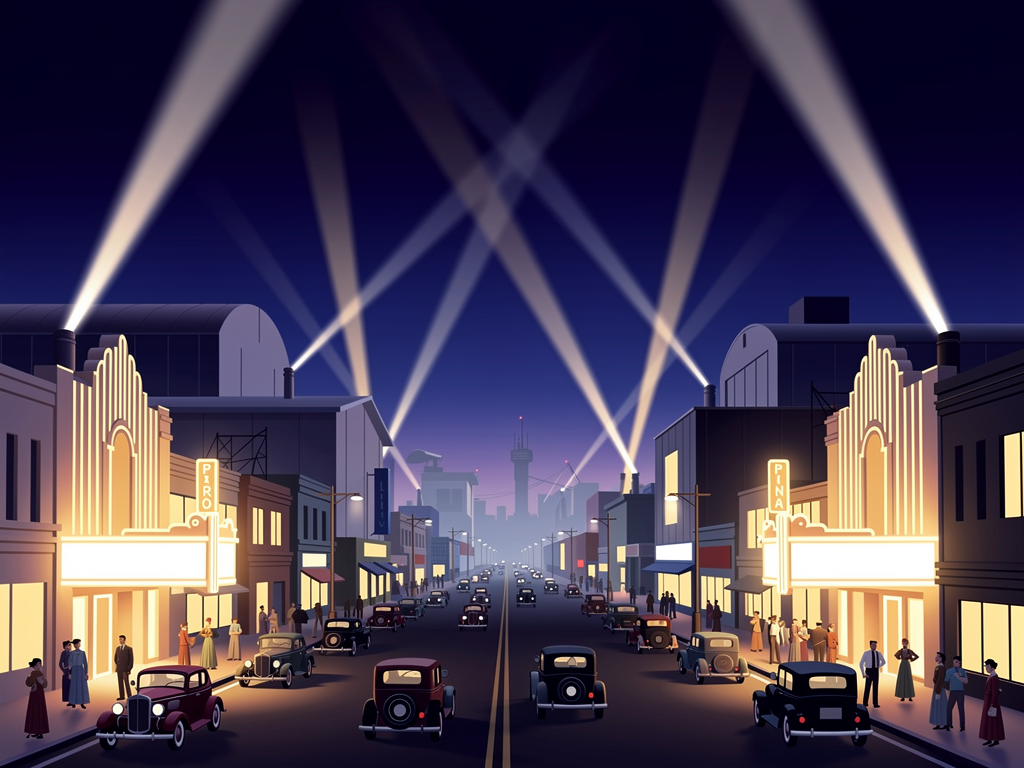
Hollywood’s Golden Age usually spans late 1920s–late 1950s.
Key features:
- Dominance of a few powerful studios
- Standardized production methods
- Global cultural influence
Technological and industrial change intertwine, producing a film factory that still shapes cinema today.
The Big Five and Little Three
Big Five (vertically integrated):
- MGM
- Paramount
- 20th Century-Fox
- Warner Bros.
- RKO
Little Three (no full theater chains):
- Universal
- Columbia
- United Artists
Together they control production, distribution, and exhibition, marginalizing independents.
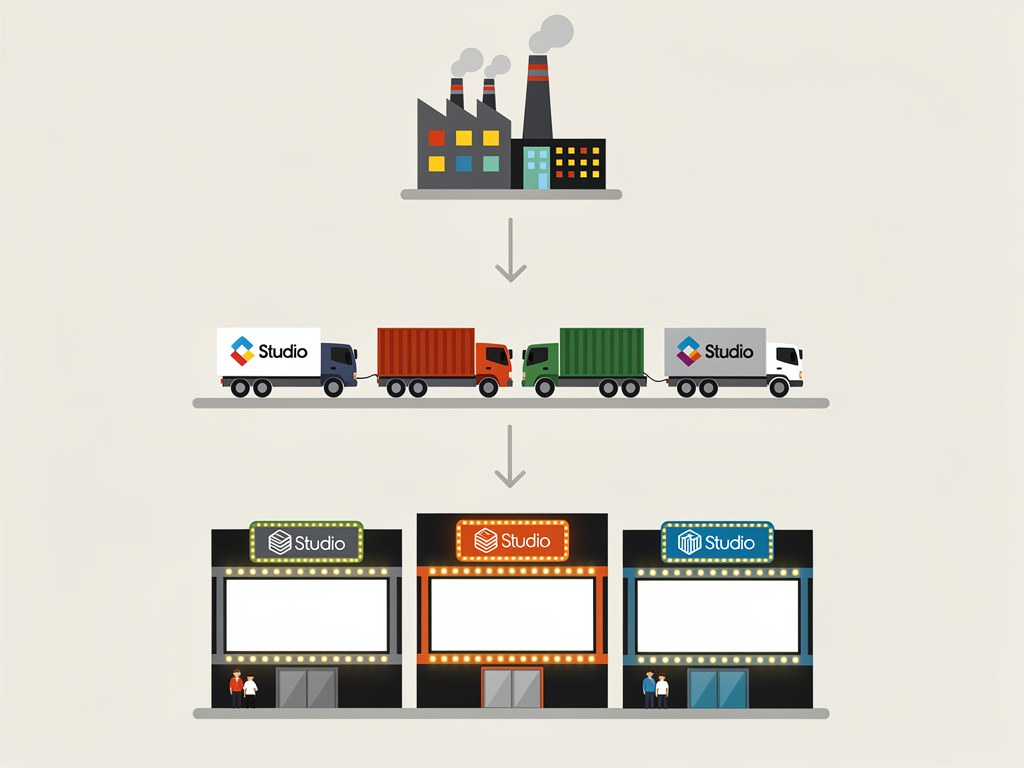
Vertical Integration
Vertical integration means one company controls:
1. Production – making films
2. Distribution – shipping and marketing
3. Exhibition – owning theaters
This structure ensures predictable profits but restricts artistic and economic competition.
Factory-Like Production
Studios adopt an industrial model:
- Long-term contracts for actors, directors, writers
- Departments for sets, costumes, music
- Tight schedules and budgets
This system standardizes style, speeds production, and reduces risk, but constrains creative autonomy.
💡 This is just Chapter 1. The full content with all chapters, interactive quizzes, and progress tracking is available in the Octo AI app.