Chapter 1: Foundations of Habit Formation
What Is a Habit?
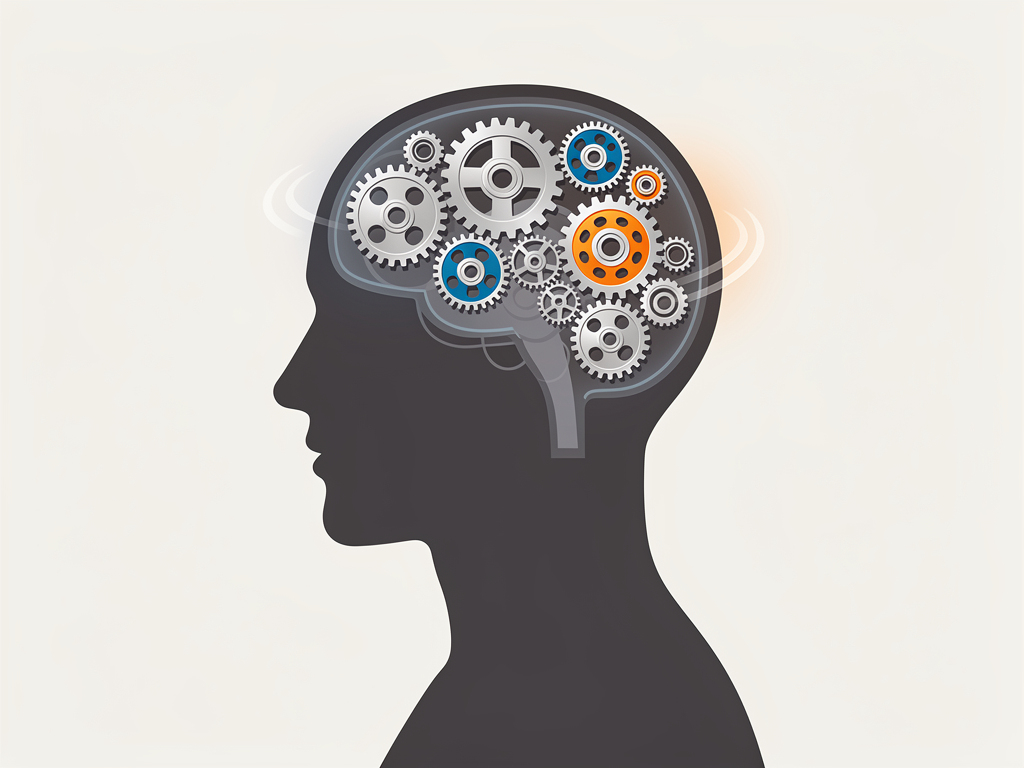
A habit is an automatic behavior triggered by context, not conscious choice.
- Requires minimal attention
- Feels effortless once formed
- Often runs beneath awareness
> Habits are the brain’s way of conserving energy.
Understanding habits as automatic programs helps explain why willpower alone rarely produces lasting change.
Habit vs. Routine
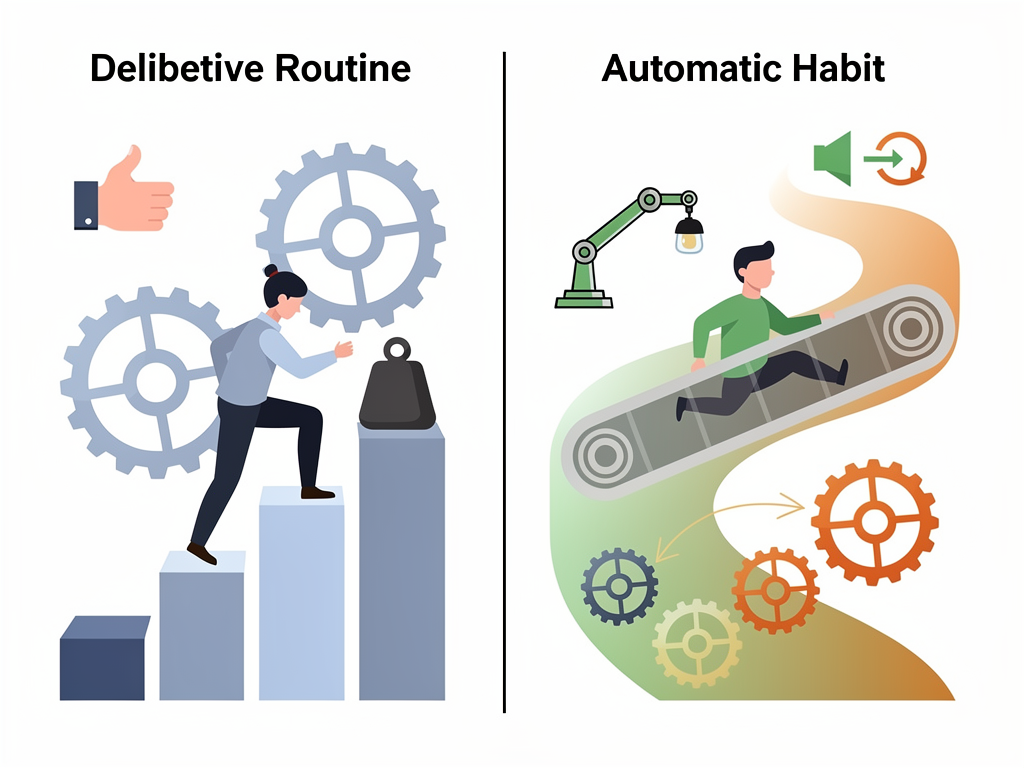
- Routine: intentional, effortful sequence (e.g., planned workout)
- Habit: cue-driven, automatic (e.g., checking phone)
Routines can become habits through repetition in stable contexts.
Key distinction: cognitive effort.
Design change by converting fragile routines into robust, context-linked habits.
Why Habits Matter
Habits:
- Free cognitive resources for complex tasks
- Shape identity over time
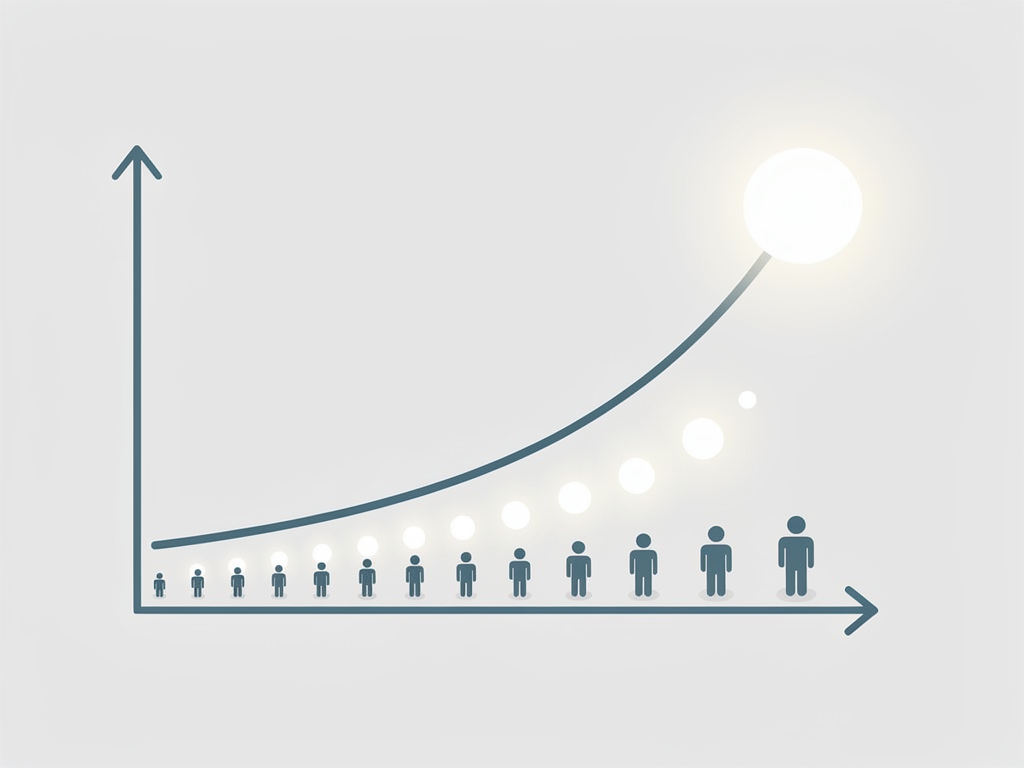
- Amplify small choices through repetition
Academic performance, health, and relationships are largely the aggregate of daily habits.
Key idea: You rarely rise above your goals; you fall to the strength of your systems.
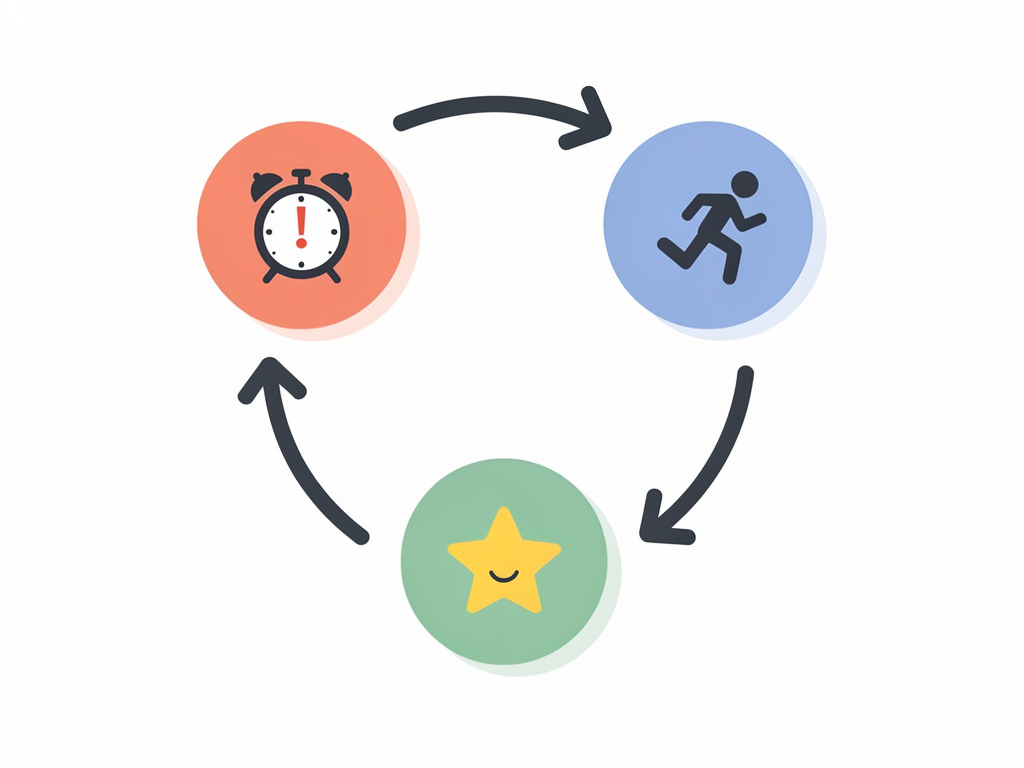
The Habit Loop 🪜
Most models describe a habit loop:
1. Cue: trigger
2. Routine: behavior
3. Reward: outcome that satisfies a need
Over time, the brain anticipates the reward when the cue appears, launching the routine automatically.
💡 This is just Chapter 1. The full content with all chapters, interactive quizzes, and progress tracking is available in the Octo AI app.