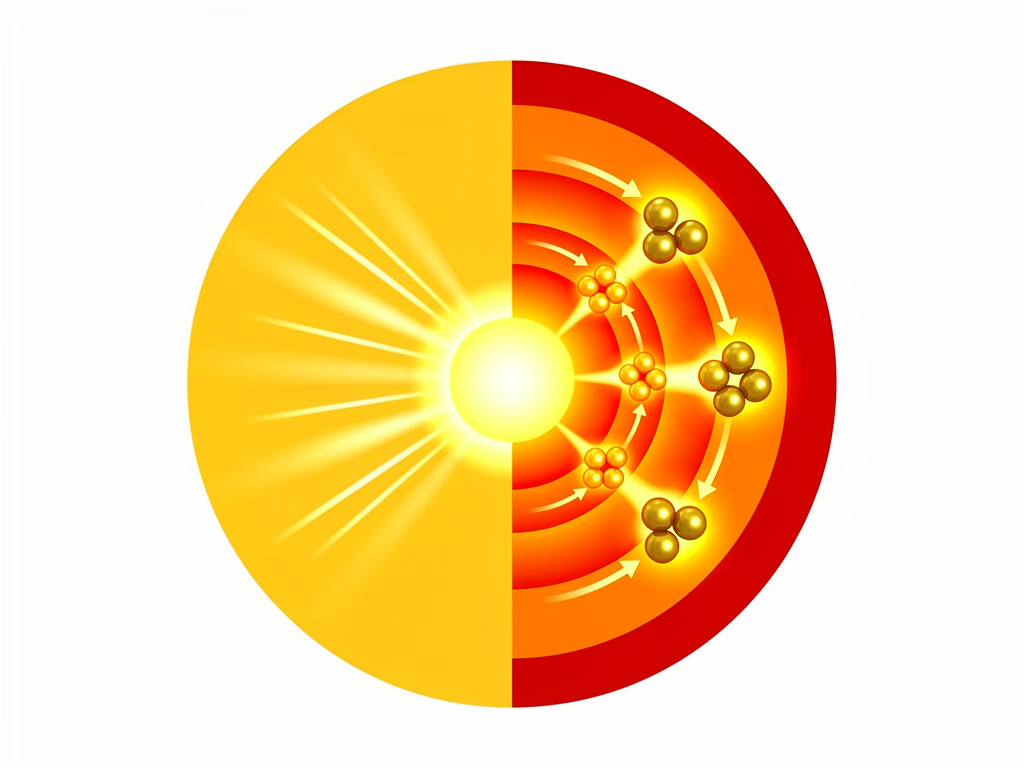
Fusion happens when light atomic nuclei join to form a heavier nucleus.
Mass turns into energy
This follows E = mc²
Fusion powers stars, including our Sun.
In reactors, we try to copy this process on Earth, in a controlled way, to make clean energy without the problems of fossil fuels or long‑lived nuclear waste.
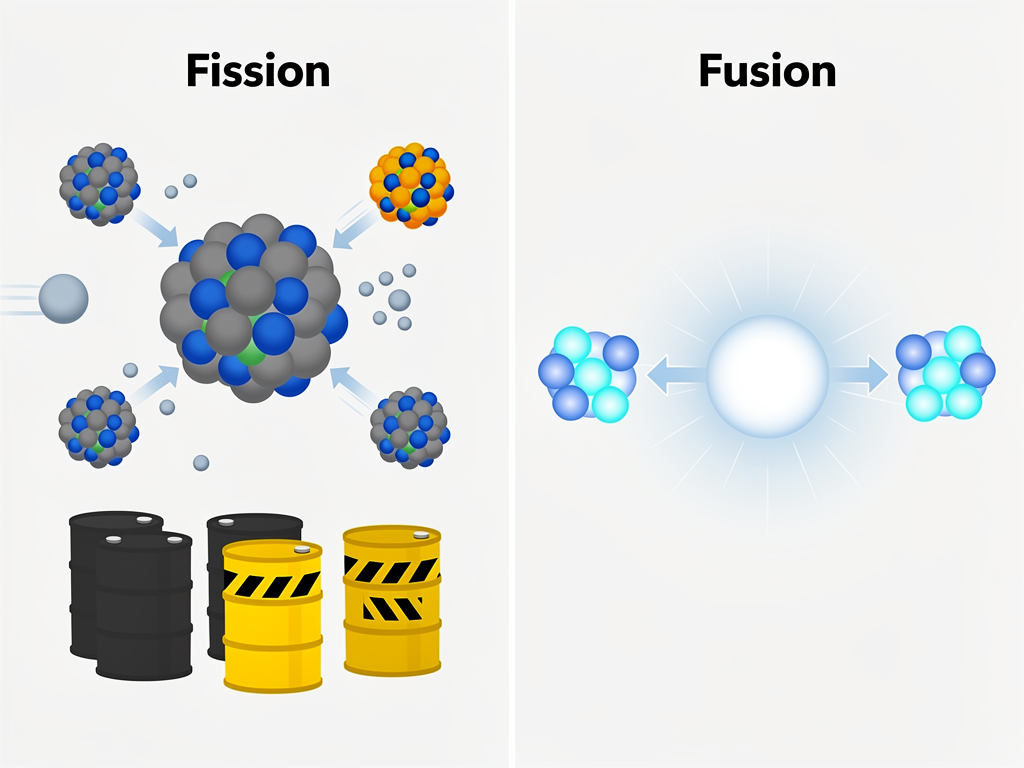
Fusion vs Fission
Fission (today’s nuclear plants):
Splits heavy atoms (like uranium)
Creates more long‑lived radioactive waste
Fusion (future reactors):
Joins light atoms (like hydrogen forms)
Produces much less long‑lived waste
Needs extreme heat and pressure
Both release huge energy, but fusion is safer: the reaction tends to stop by itself if conditions change.
Why Fusion Is Hard
To fuse, positively charged nuclei must get very close, but they repel each other.
We must:
Heat fuel to over 100 million °C
Keep it hot and dense long enough
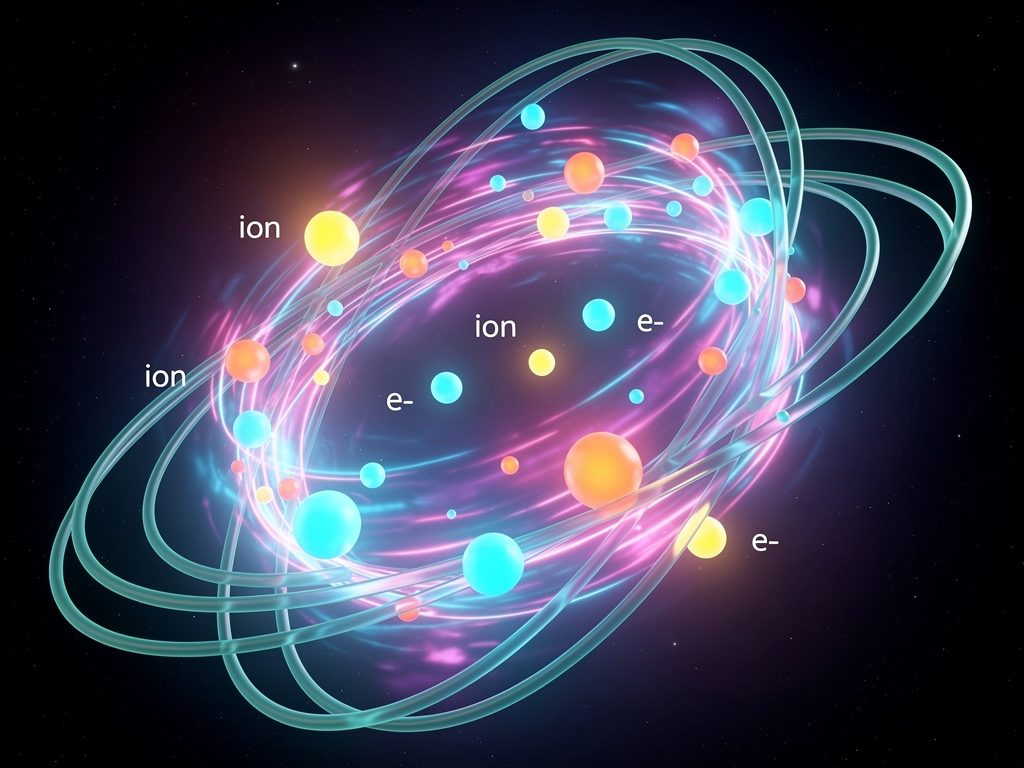
Atoms then move so fast they form plasma, a super‑hot, charged gas. Controlling this wild plasma is the main challenge of fusion reactors.
Fusion Fuel Basics
Common fuels:
Deuterium (D): heavy hydrogen, found in seawater
Tritium (T): radioactive hydrogen, made in reactors
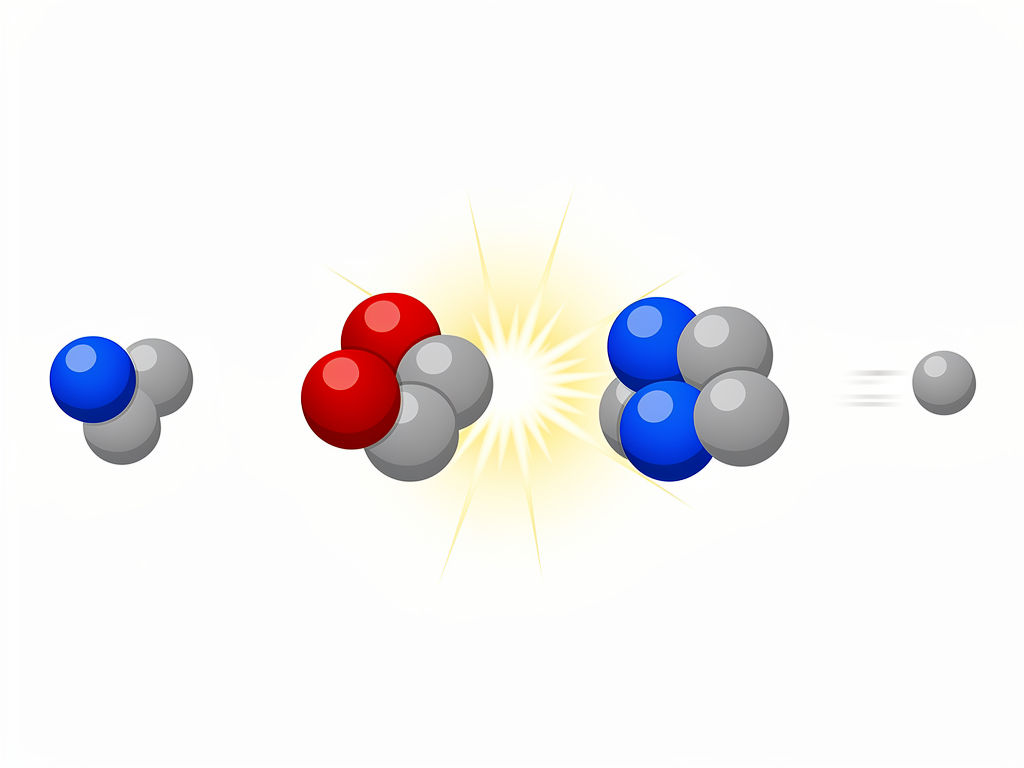
The main reaction aimed for:
> D + T → Helium + neutron + lots of energy
Deuterium is almost unlimited. Tritium must be bred inside the reactor using lithium blankets.
💡 This is just Chapter 1. The full content with all chapters, interactive quizzes, and progress tracking is available in the Octo AI app.