Chapter 1: Foundations of Formula 1
What Is Formula 1?
Formula 1 (F1) is the highest class of single‑seater motor racing, governed by the FIA.
- Global championship since 1950
- Races are called Grands Prix
- Drivers earn points for teams and themselves
> Think of F1 as a mobile physics lab: aerodynamics, thermodynamics, materials science, and strategy all interacting at ~300 km/h.
 2025 Japan GP - McLaren - Lando Norris - FP1
Liauzh
Key Stakeholders
- FIA: Sets technical and sporting regulations
- FOM / Commercial rights holder: Manages broadcasting, promotion
- Teams (constructors): Design, build, race cars
- Drivers: Elite professional athletes
Success requires aligning sporting performance, engineering excellence, and commercial interests under complex rules.
Race Weekend Structure
Typical weekend:
1. Free Practice: Car setup, data gathering
2. Qualifying: Fastest lap decides grid order
3. Race: Standing start, laps ~305 km (except Monaco)
Points reward consistency, not just victories, shaping risk–reward decisions in overtaking and strategy.
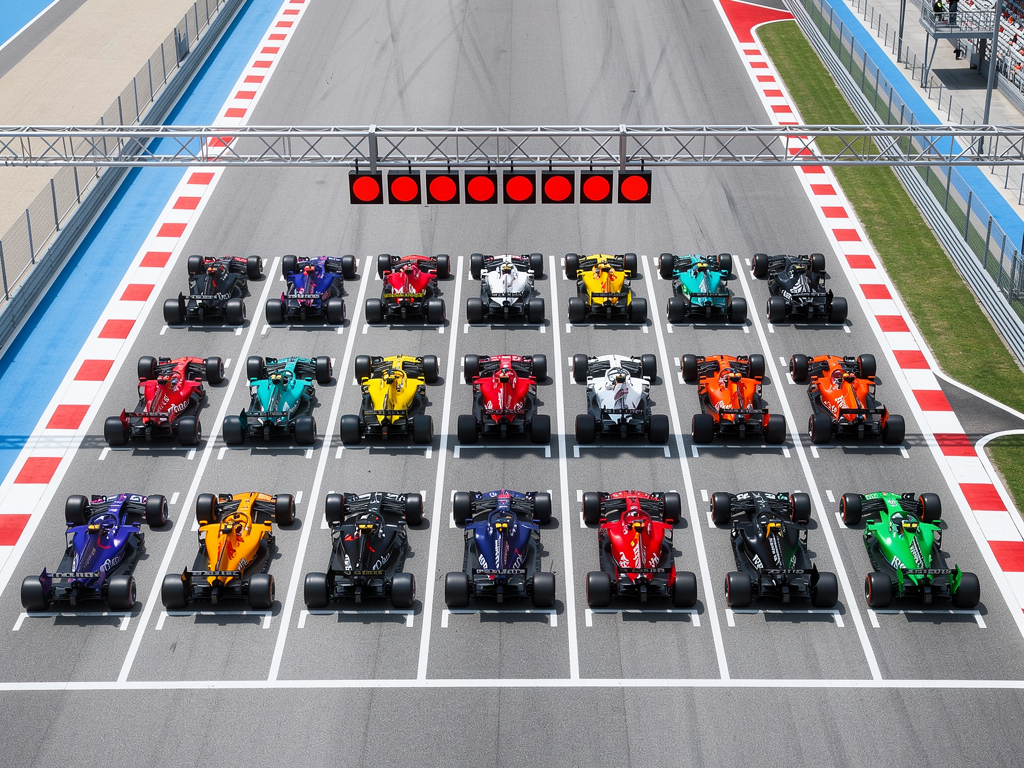
Circuits and Layouts
- Permanent tracks (Silverstone)
- Street circuits (Monaco, Singapore)
- Hybrid (Albert Park)
Key features:
- Straights → top speed, DRS use
- Corners → downforce, mechanical grip
- Elevation → braking, visibility
Design balances safety, overtaking opportunities, and commercial appeal.
 Monte Carlo circuit map in 1950–1971 (in 1972 the harbor chicane was located further away from the tunnel).
Mario30095
💡 This is just Chapter 1. The full content with all chapters, interactive quizzes, and progress tracking is available in the Octo AI app.