Chapter 1: What Is First Principles Thinking?
From Opinions to First Principles
First principles thinking means starting from undeniable facts, not habits, analogies, or authority.
- Ask: What must be true, no matter what?
- Strip away jargon, tradition, and prestige
- Rebuild your view from these basic truths
> Think like a scientist: begin with evidence, not folklore.
This method is powerful in science, engineering, strategy, and daily decisions.

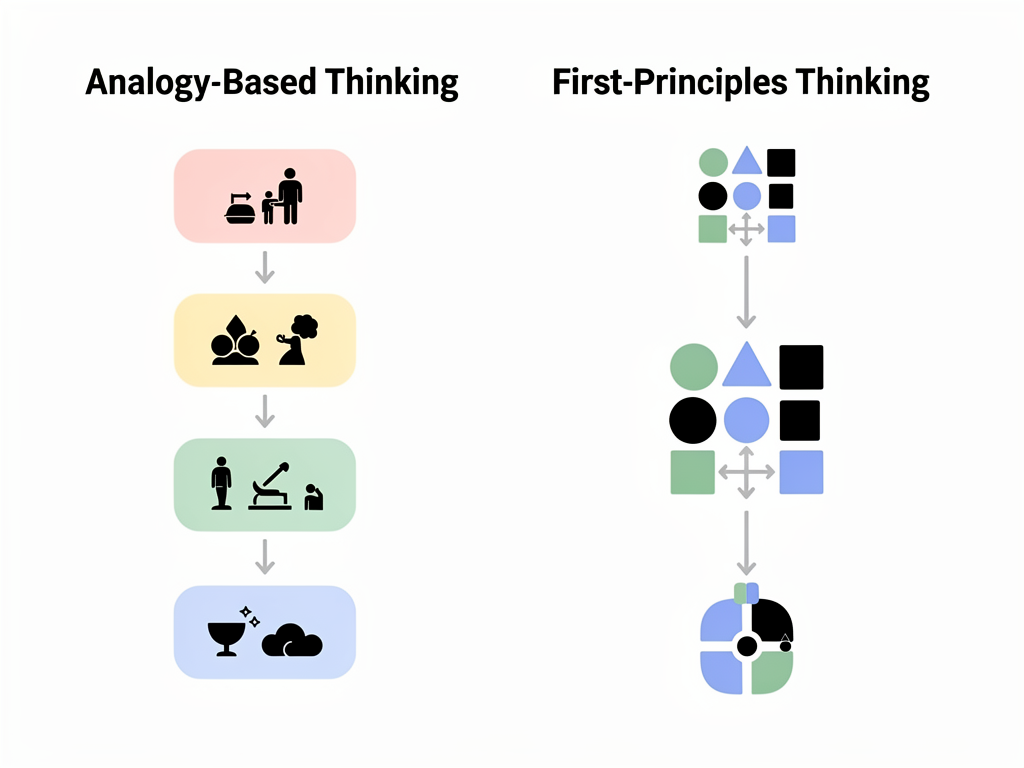
First Principles vs. Analogy
Most people think by analogy:
- "This new problem is like that old one."
- Then they copy old solutions.
First principles thinking:
1. Break the problem into pieces
2. Identify basic truths about each piece
3. Reassemble in a new way
Analogy is fast but conservative. First principles is slower but more original.
Three Core Questions 🧩
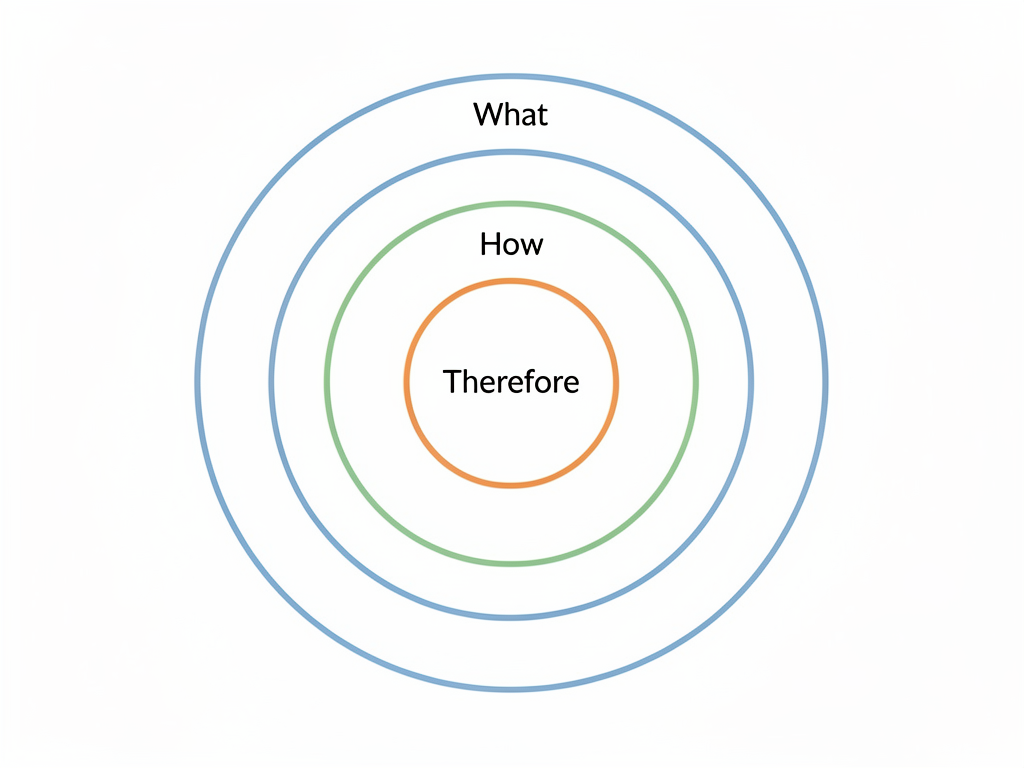
When using first principles, keep asking:
1. What do I know for sure? (evidence, definitions, constraints)
2. How do I know it? (source, method, bias)
3. What follows logically? (implications)
If you cannot justify a belief, treat it as a hypothesis, not a principle.
Historical Roots
First principles thinking appears in:
- Aristotle: search for basic causes
- Descartes: doubt everything, keep only the indubitable
- Physics: derive laws from fundamental quantities
Modern innovators use the same pattern: reduce problems to essentials, then recombine.
You are learning an ancient method with very modern power.
💡 This is just Chapter 1. The full content with all chapters, interactive quizzes, and progress tracking is available in the Octo AI app.