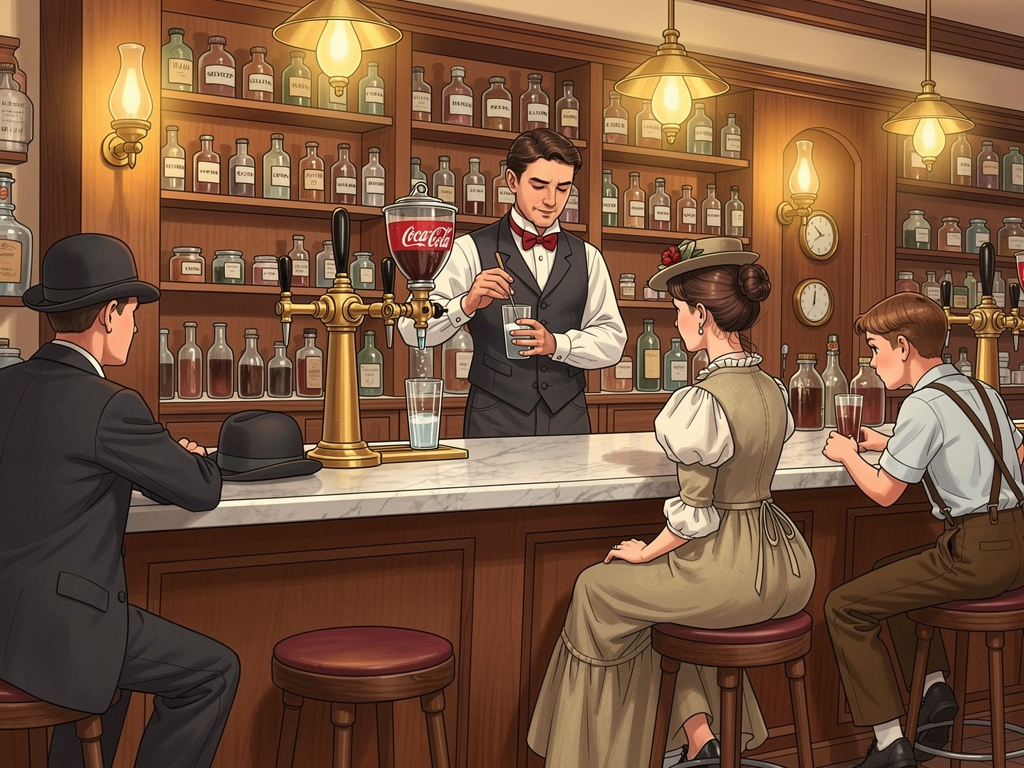
In 1886, pharmacist John S. Pemberton formulates Coca-Cola in Atlanta, a city rebuilding after the Civil War. Initially marketed as a patent medicine, it claims to cure headaches, exhaustion, and nerves.
Key ingredients:
Coca leaf extract (with cocaine)
Kola nut (caffeine)
Sugar and flavorings
Sold for 5 cents a glass at Jacob’s Pharmacy, the drink quickly attracts urban middle-class consumers seeking modern, “scientific” remedies.
Naming, Branding, and Early Marketing
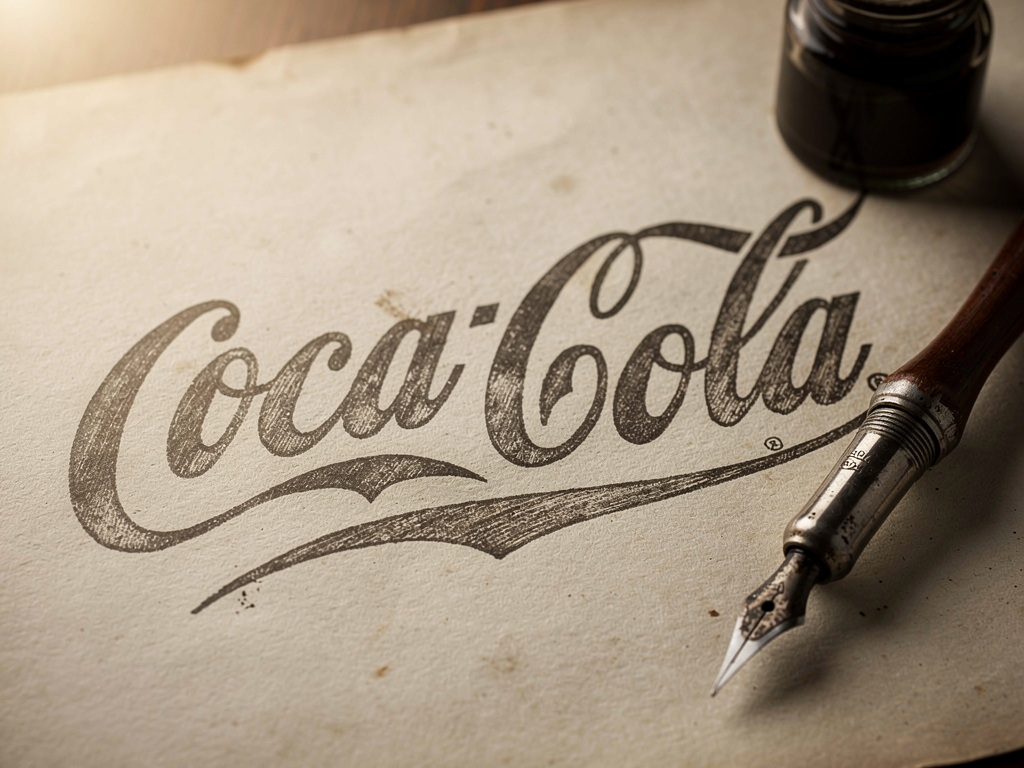
Pemberton’s bookkeeper, Frank M. Robinson, coins the name Coca-Cola and designs the flowing Spencerian script logo still recognizable today.
Early strategies:
Complimentary drink coupons
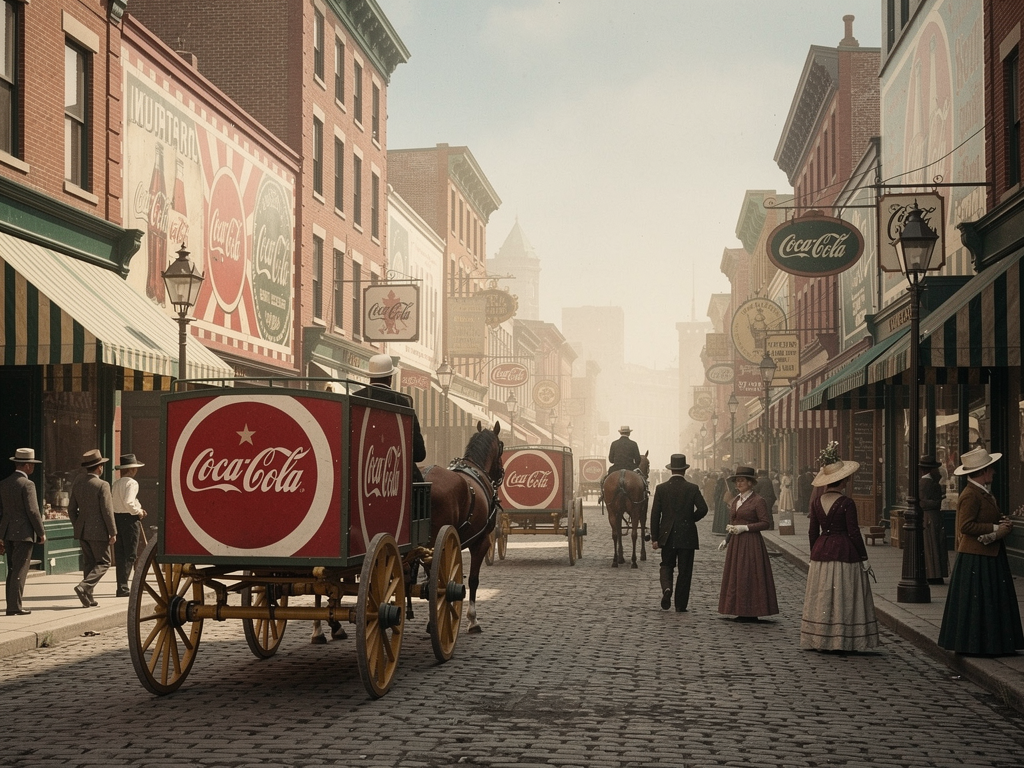
Painted wall signs
Newspaper ads promising vitality
> The brand is sold as both refreshment and remedy, blending medicine, modern chemistry, and aspirational middle-class identity.
Asa Candler and Aggressive Expansion
Businessman Asa Griggs Candler gains control by the 1890s, often via legally contested share purchases.
He transforms Coca-Cola through:
Massive advertising budgets
Standardized formulas and procedures
Nationwide distribution of branded signage and merchandise
Candler’s strategy: saturate everyday life so completely that Coca-Cola feels ubiquitous and indispensable within American consumer culture.
The 5-Cent Price and Mass Consumption
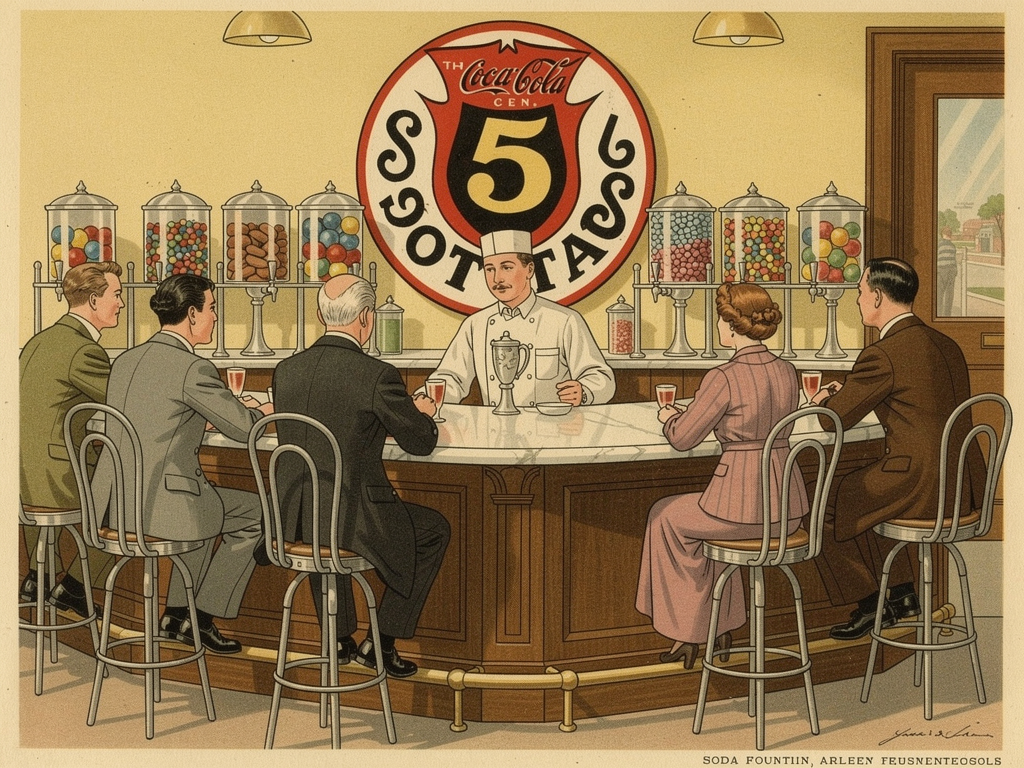
From the 1880s to 1950s, Coca-Cola usually costs five cents. This fixed nickel price:
Stabilizes expectations
Encourages habitual, frequent purchases
Positions Coke as an affordable luxury across classes
Economically, Coca-Cola prefers expanding volume over raising price, embedding itself deeply in daily routines of work, leisure, and travel.
💡 This is just Chapter 1. The full content with all chapters, interactive quizzes, and progress tracking is available in the Octo AI app.