Chapter 1: Foundations of Climate Science
What Is Climate Change?
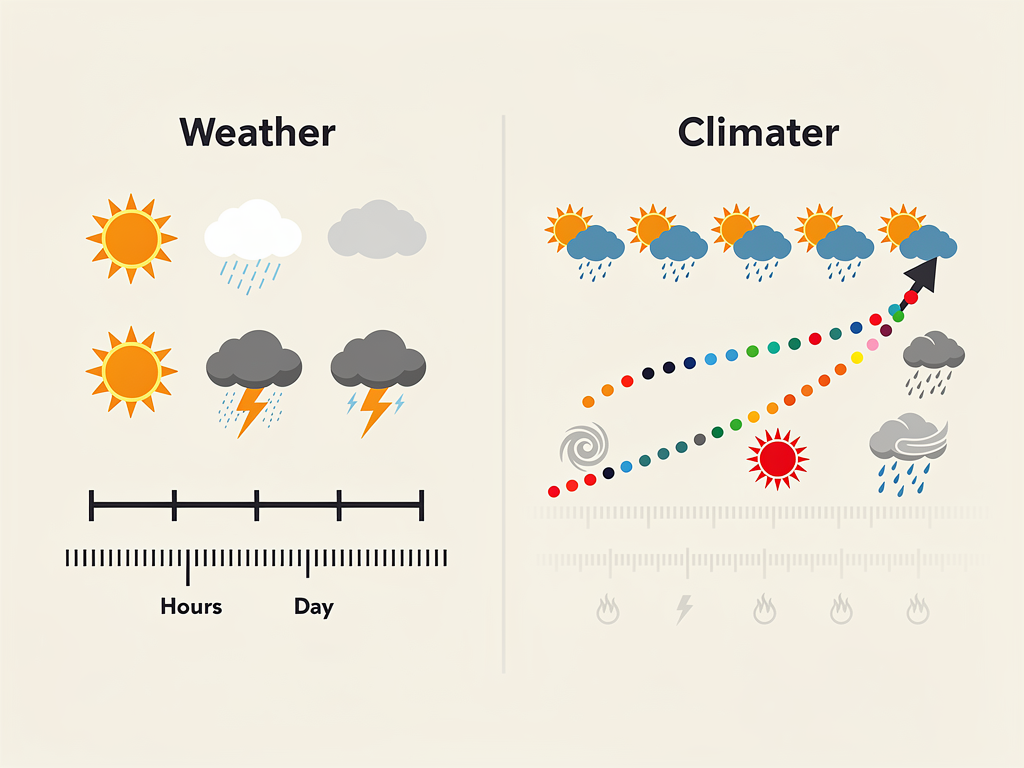
Climate change is a long-term shift in Earth’s climate system, including average temperature, precipitation, and variability.
It differs from weather, which describes short-term atmospheric conditions.
Key elements:
- Rising global temperatures
- Changing rainfall patterns
- More frequent extremes
> Climate change alters baseline conditions, not just daily fluctuations.
Earth’s Energy Balance ☀️
Climate is governed by the energy balance:
1. Incoming solar radiation
2. Reflection by clouds, ice, surfaces (albedo)
3. Outgoing infrared radiation
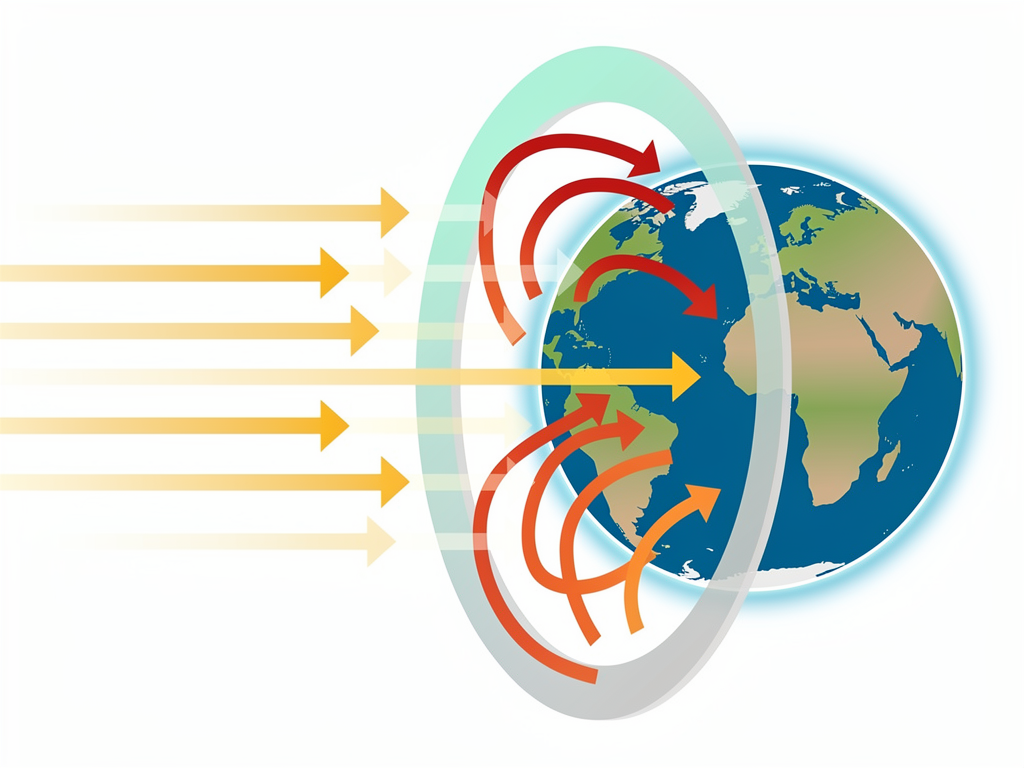
Greenhouse gases reduce outgoing infrared, trapping heat.
When energy in ≈ energy out → stable climate.
Persistent imbalance → warming or cooling trend.
The Greenhouse Effect
Natural greenhouse gases:
- Water vapor (H₂O)
- Carbon dioxide (CO₂)
- Methane (CH₄)
- Nitrous oxide (N₂O)
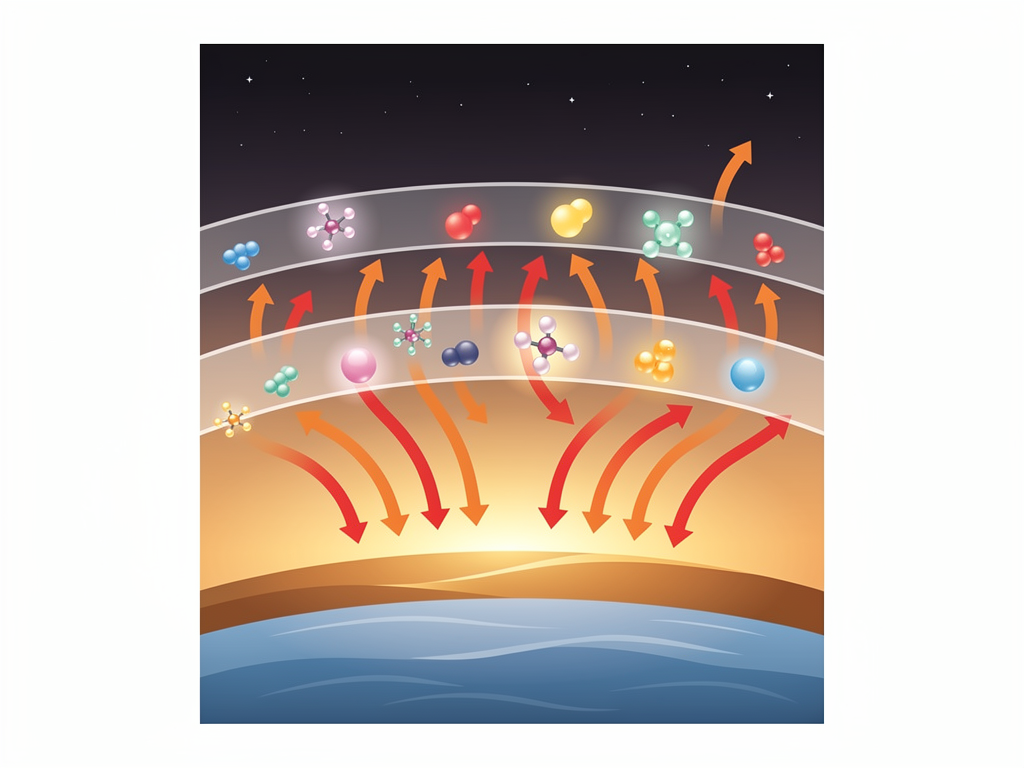
They absorb outgoing infrared radiation and re‑emit it, warming the lower atmosphere.
Without this effect, Earth’s mean surface temperature would be about –18°C, not +15°C.
Anthropogenic emissions intensify this natural effect.
Key Greenhouse Gases
CO₂
- Long lifetime, cumulative
- From fossil fuels, deforestation
CH₄
- High short-term warming potential
- From agriculture, fossil fuel leaks
N₂O
- From fertilizers, industry
F-gases
Warming impact depends on radiative efficiency and atmospheric lifetime.

Evidence for Warming 📈
Multiple independent datasets show:
- Rising global mean surface temperature
- Shrinking glaciers and ice sheets
- Sea-level rise
- Earlier spring onset
Instrumental records, satellite data, and physical indicators (e.g., ocean heat content) converge on the same conclusion: Earth is warming rapidly.

💡 This is just Chapter 1. The full content with all chapters, interactive quizzes, and progress tracking is available in the Octo AI app.