A blockchain is a special kind of database shared by many computers. It stores information in ordered blocks, linked like a chain. Once data is recorded, it is very hard to change.
Key ideas:
Shared record
Hard to edit the past
Everyone can check the same history
Why Blockchains Matter
Blockchains try to solve a big problem: trust.
Instead of trusting one company to keep honest records, many computers keep copies and check each other.
Benefits:
Less single point of failure
Harder to secretly change data
Easier to verify history, like money transfers
They are often used for cryptocurrencies, but also for tracking goods or documents.
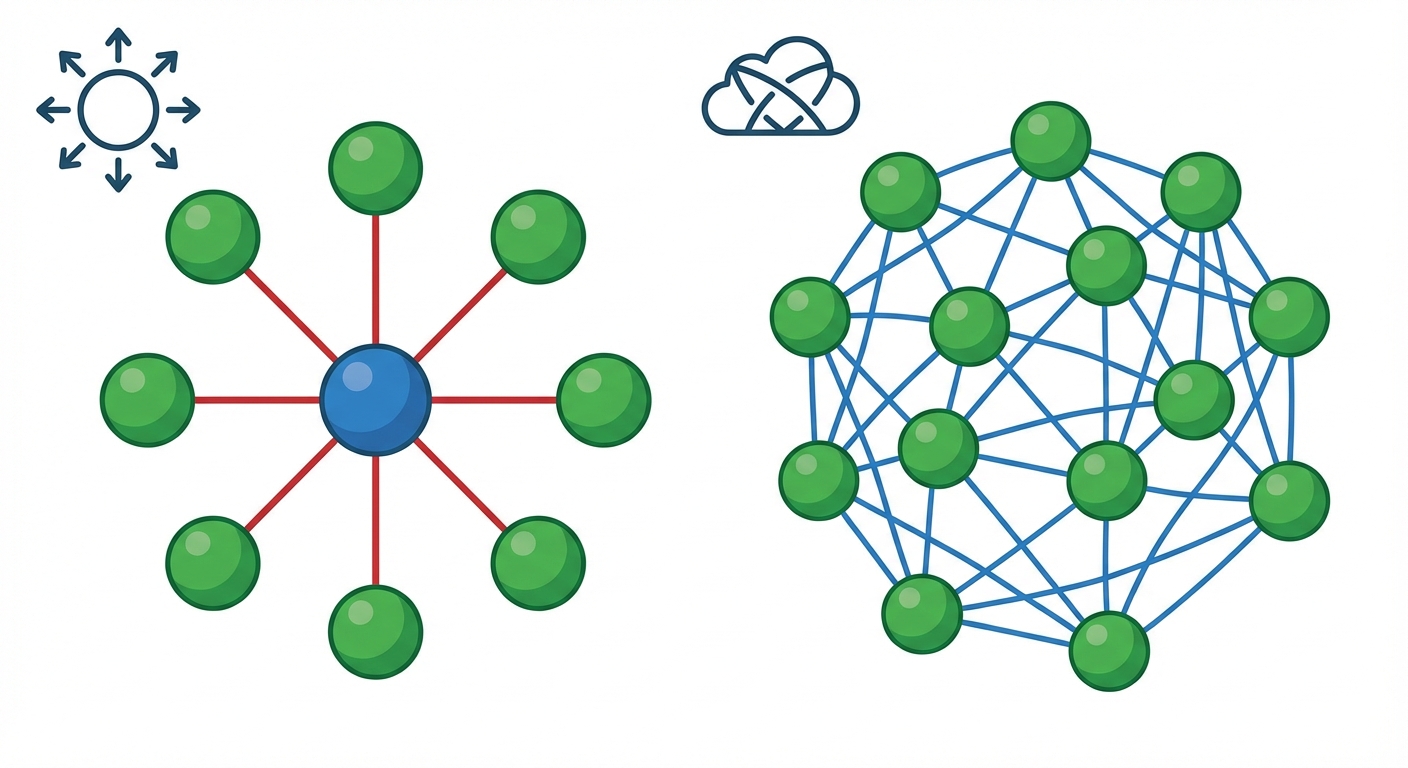
Centralized vs Decentralized
Centralized system:
One main server or company
If it fails or cheats, everyone suffers
Decentralized system:
Many nodes (computers) share control
No single boss of the data
Blockchain is usually decentralized, so power and responsibility are spread out.
Public and Private Blockchains
Not all blockchains are open to everyone.
Public: anyone can join, view data, and help secure it (example: Bitcoin)
Private: only invited members can use it (example: within a company group)
Both use similar tech, but the rules, access, and trust model are different.
💡 This is just Chapter 1. The full content with all chapters, interactive quizzes, and progress tracking is available in the Octo AI app.