Chapter 1: The Nile and Early Civilizations
Why the Nile Matters 🌊
Ancient Egypt exists because of the Nile River.
- Yearly floods leave rich, dark silt
- Farmers grow wheat, barley, and flax
- Surplus food supports cities and specialists
> “Egypt is the gift of the Nile” — Herodotus
Key idea: Geography shapes civilization.
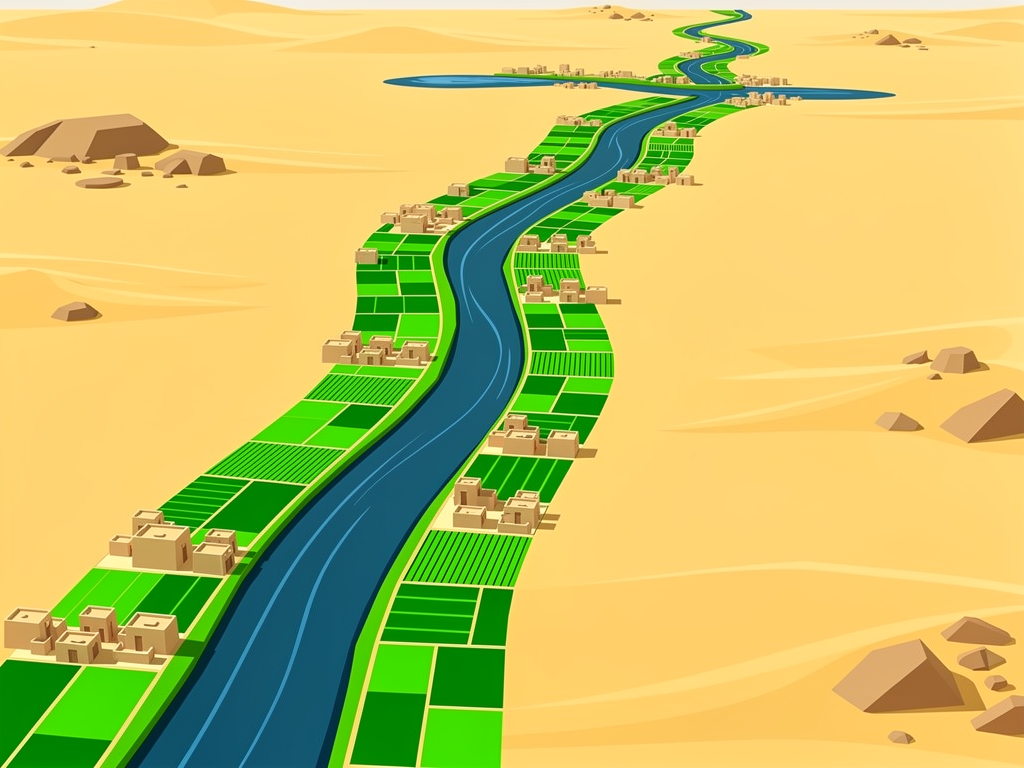
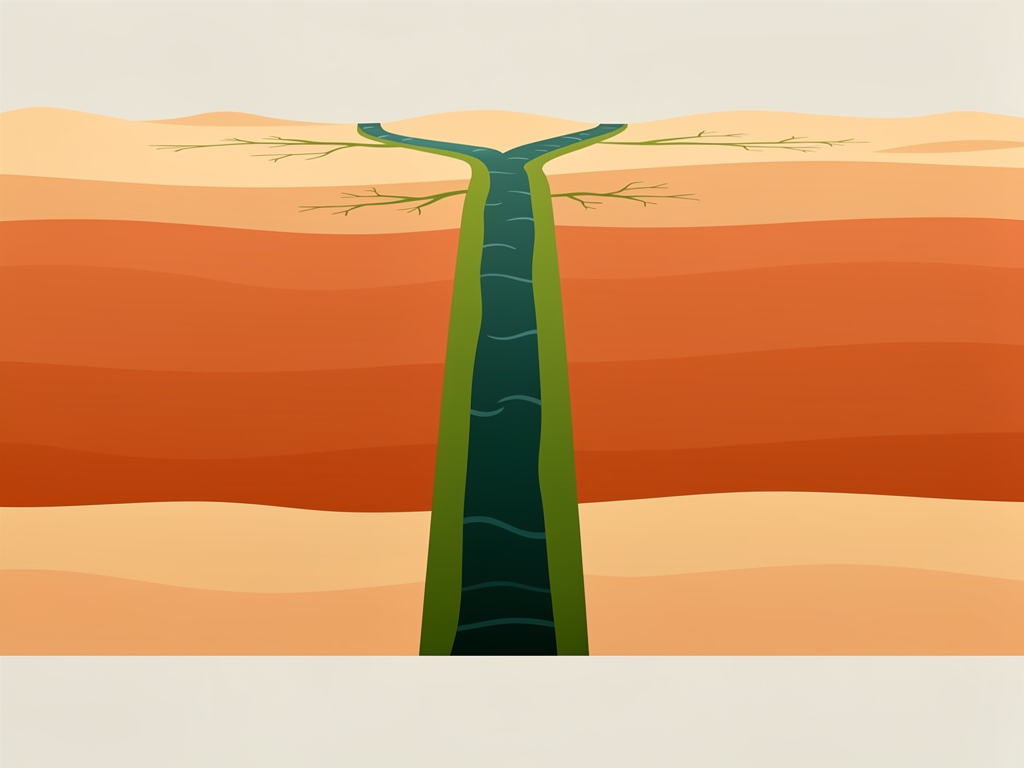
Black Land vs Red Land
Egyptians divided their world into:
- Kemet – “Black Land,” fertile Nile valley
- Deshret – “Red Land,” dangerous desert
The desert:
- Protects from many invasions
- Limits farmland
The river:
- Acts like a highway for boats
- Links Upper and Lower Egypt
Farming seasons follow the Nile’s cycle.
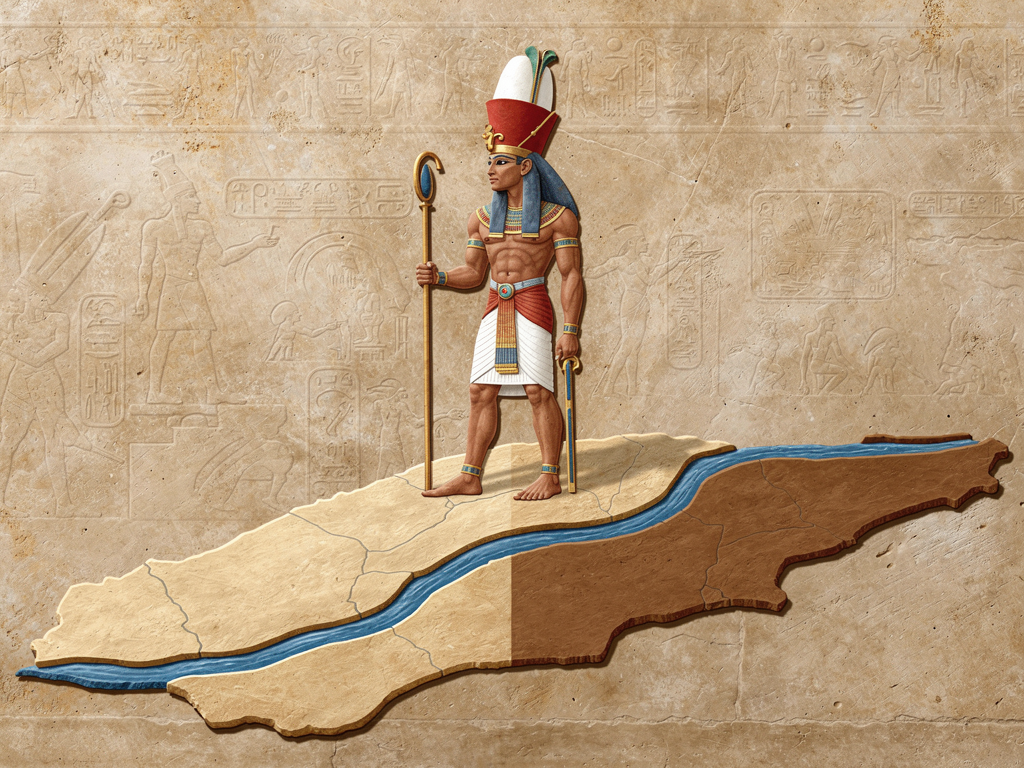
Uniting Upper and Lower Egypt 👑
Around 3100 BCE, Narmer (possibly Menes) unites Upper and Lower Egypt.
- Creates one kingdom
- Wears a double crown (white + red)
- Starts the First Dynasty
This unification makes Egypt richer and stronger, able to build big projects and organize large armies.
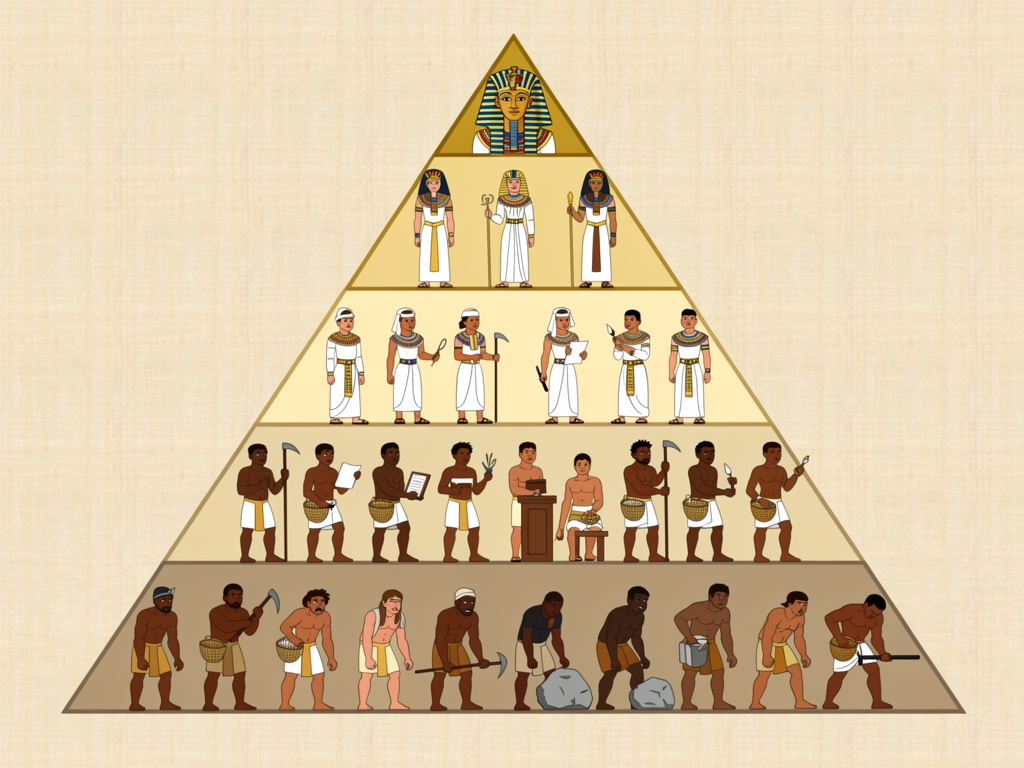
Social Pyramid (Not the Stone One)
Egyptian society is shaped like a pyramid:
1. Pharaoh
2. Nobles and priests
3. Scribes and officials
4. Craftspeople and merchants
5. Farmers
6. Enslaved people
Each level depends on the others, especially farmers, who feed everyone.
💡 This is just Chapter 1. The full content with all chapters, interactive quizzes, and progress tracking is available in the Octo AI app.