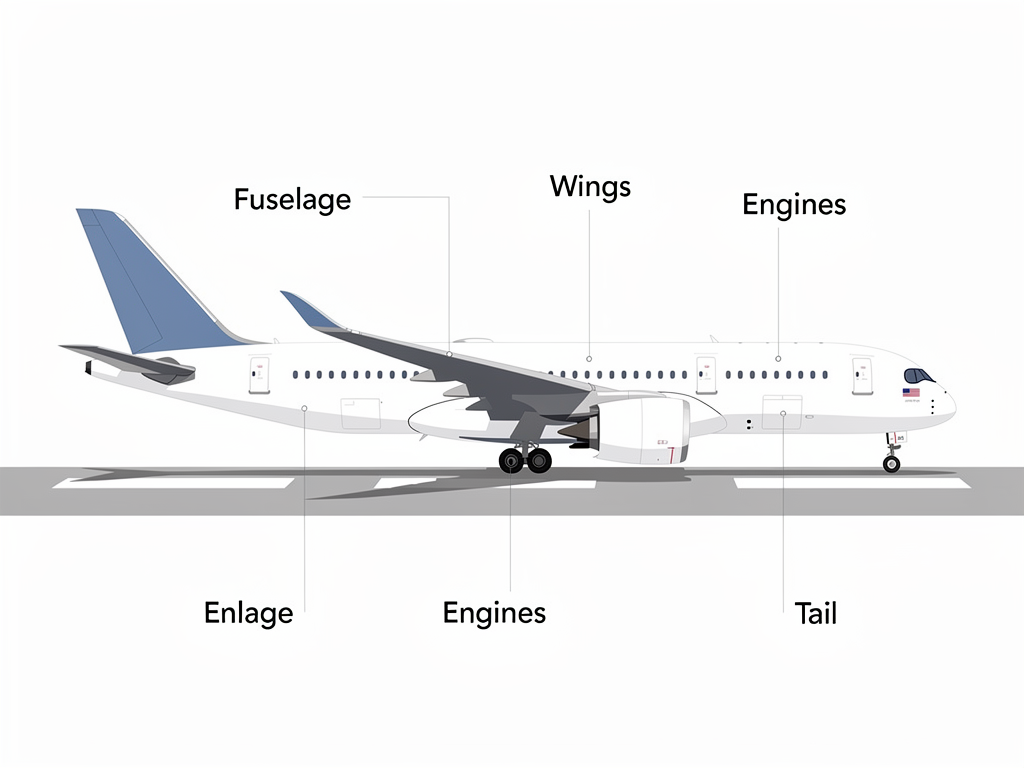
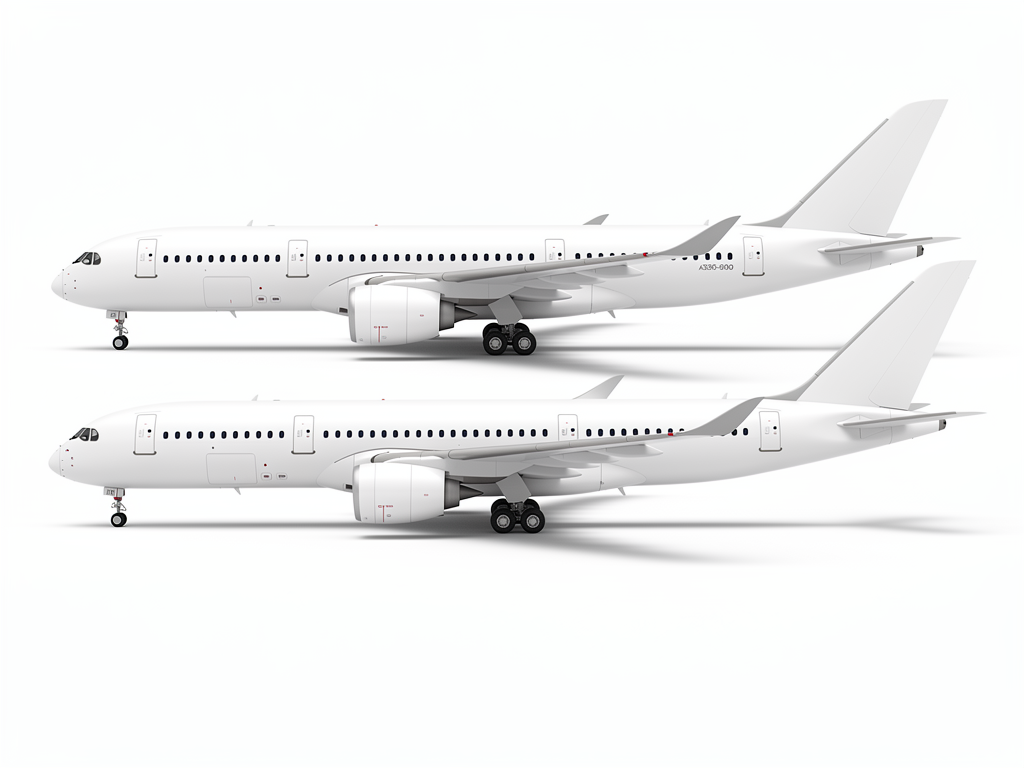
The Airbus A350 is a long‑range, wide‑body passenger jet. It competes with Boeing’s 787 and 777.
First flight: 2013
Enters service: 2015
Typical use: international routes
It is designed to be lighter, quieter, and more fuel‑efficient than older aircraft, while keeping passengers comfortable on flights that can last over 15 hours.
A350 Family Versions
The A350 has two main passenger versions:
A350‑900: most common, seats about 300–350 people
A350‑1000: stretched version, seats about 350–410 people
They share the same basic design, but the -1000 has a longer fuselage and more powerful landing gear to handle extra weight and passengers.
Why Airlines Like It
Airlines choose the A350 because it:
Burns less fuel per seat
Flies very long distances nonstop
Has a modern, quiet cabin
Produces lower emissions
This helps airlines save money, attract passengers, and meet stricter environmental rules, all with one aircraft family.
Basic Layout
The A350 is a twin‑engine, twin‑aisle jet:
Twin‑engine: one big engine under each wing
Twin‑aisle: two walkways inside the cabin
Common cabin layouts:
Economy: 3–3–3 across
Business: 1–2–1 so every seat has aisle access
This design balances comfort, speed, and efficiency.
💡 This is just Chapter 1. The full content with all chapters, interactive quizzes, and progress tracking is available in the Octo AI app.