Chapter 1: Foundations of Photosynthesis
What Is Photosynthesis?
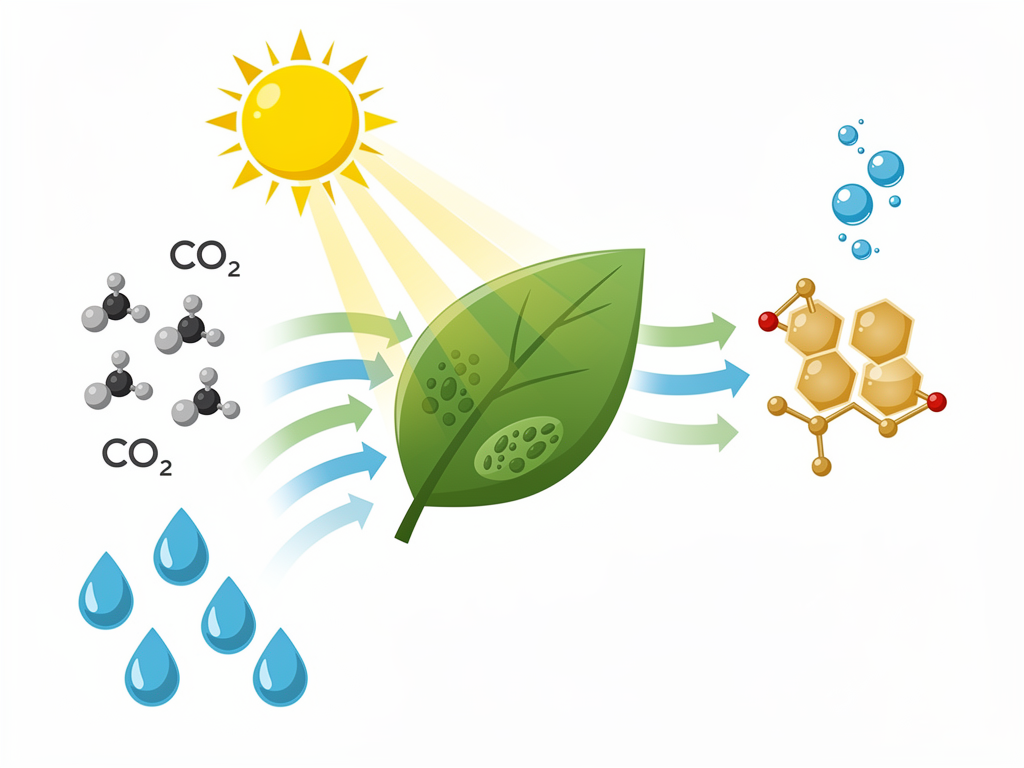
Photosynthesis is the process by which photoautotrophs convert light energy into chemical energy stored in carbohydrates.
General equation:
> 6 CO₂ + 6 H₂O → C₆H₁₂O₆ + 6 O₂
Key ideas:
- Occurs mainly in chloroplasts
- Uses light energy, water, and CO₂
- Produces glucose and oxygen
It underpins almost all food chains and drives global oxygen production. 🌎
Chloroplast Structure
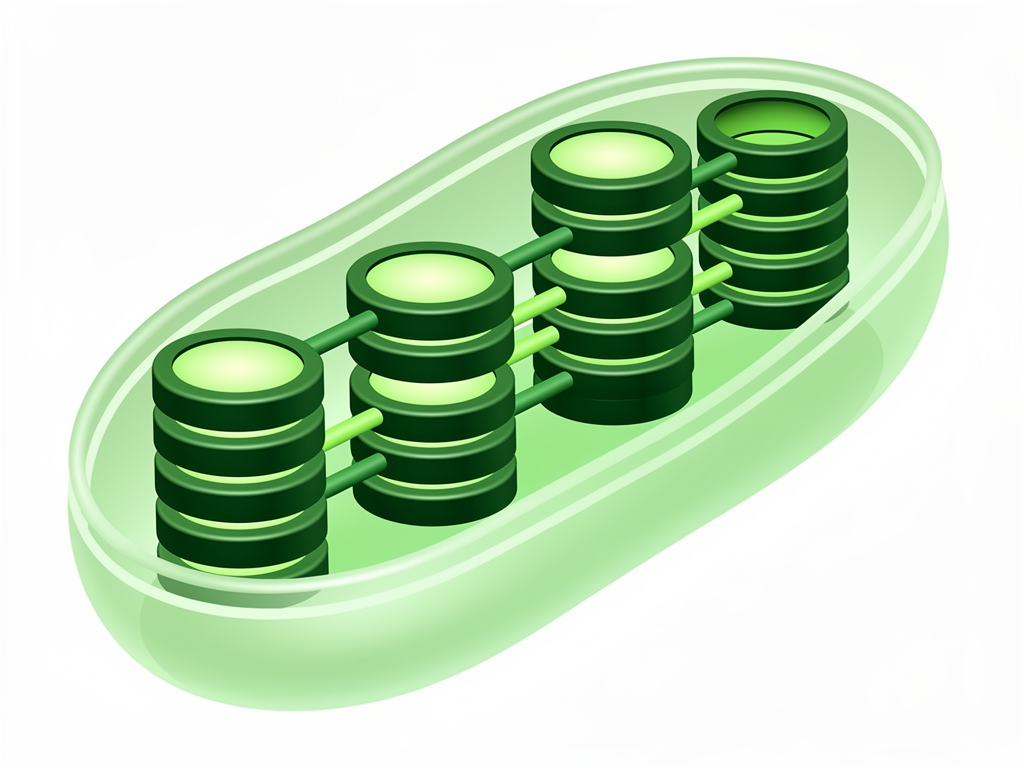
Chloroplasts are double‑membrane organelles.
Internal components:
- Thylakoids: flattened sacs; stacked into grana
- Thylakoid lumen: internal space
- Stroma: fluid around grana, contains enzymes, DNA, ribosomes
Functional separation:
- Light reactions: thylakoid membranes
- Calvin cycle: stroma
This compartmentalization enables proton gradients and precise enzyme control.
Types of Photosynthetic Pigments
Main pigments:
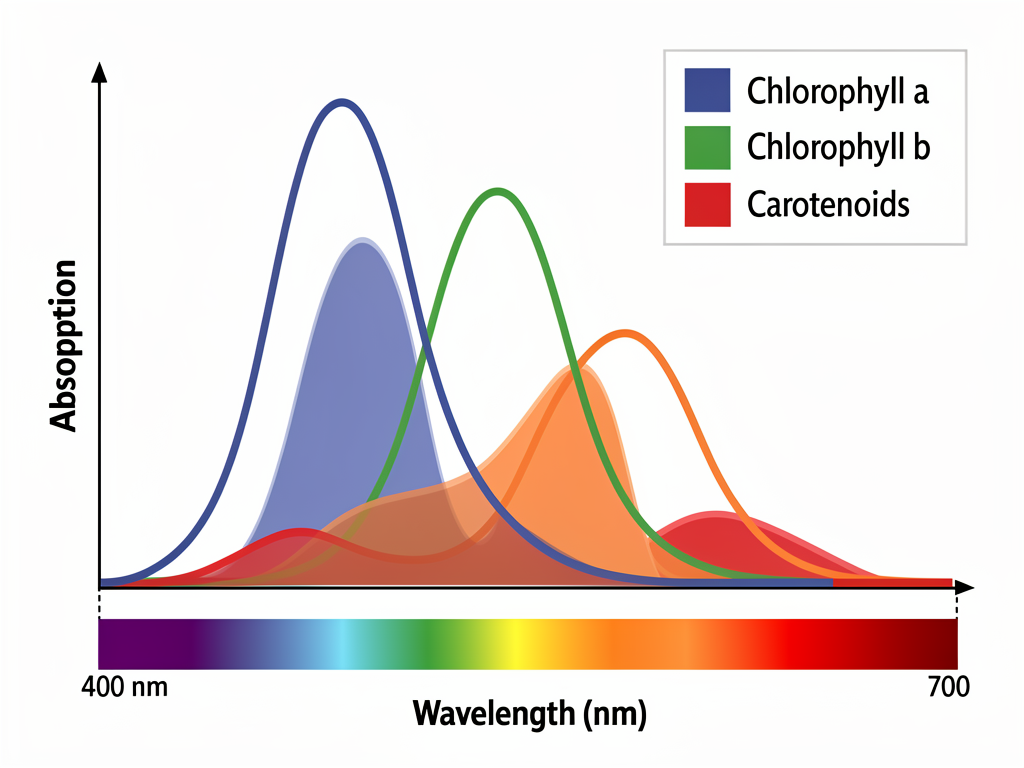
- Chlorophyll a: primary; reaction center
- Chlorophyll b: accessory; broadens absorption
- Carotenoids (carotenes, xanthophylls): accessory; photoprotection
They form antenna complexes that capture photons and transfer excitation energy to reaction centers, where photochemistry occurs.
Absorption Spectra vs Action Spectra
- Absorption spectrum: wavelengths a pigment absorbs
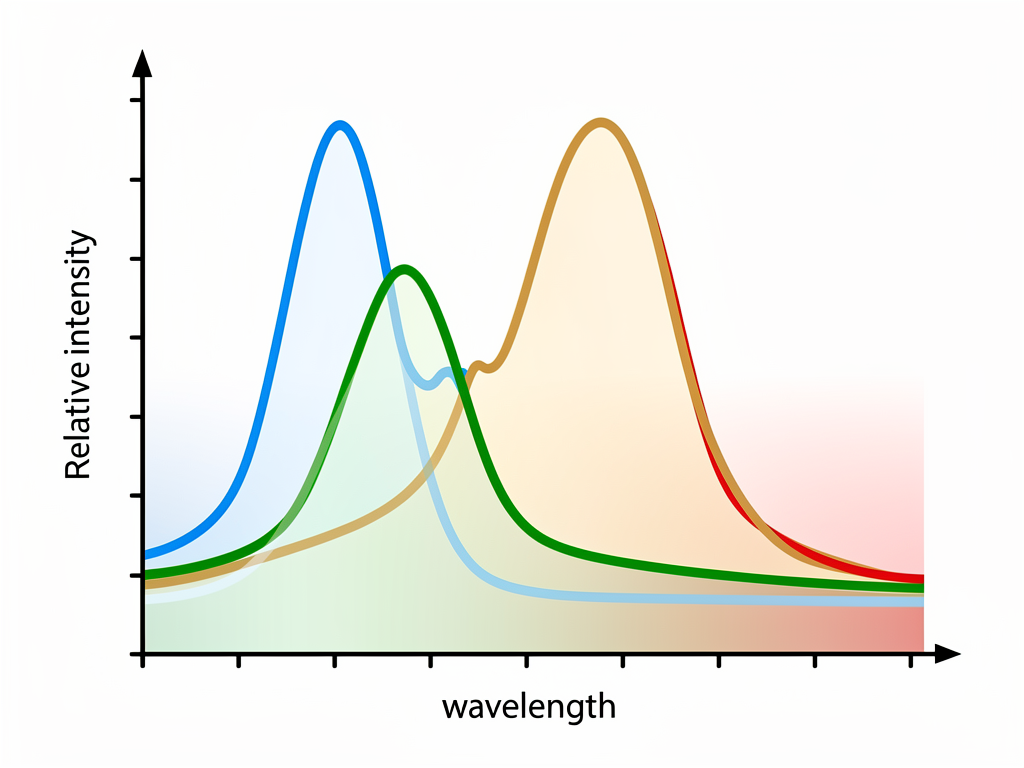
- Action spectrum: wavelengths that effectively drive photosynthesis
For chloroplasts, both peak in blue (~430–470 nm) and red (~640–680 nm), with a trough in green (reflected, so leaves appear green).
The similarity between spectra supports pigments’ role in energy capture.
💡 This is just Chapter 1. The full content with all chapters, interactive quizzes, and progress tracking is available in the Octo AI app.