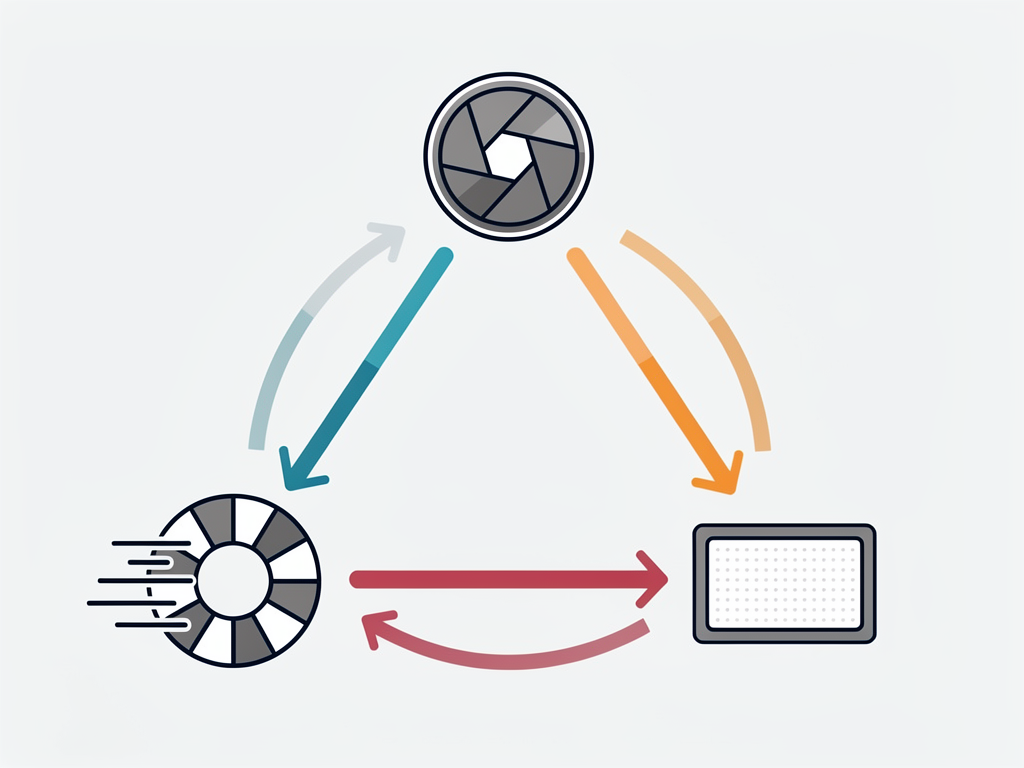
Exposure balances aperture, shutter speed, and ISO.
Aperture: controls light volume and depth of field
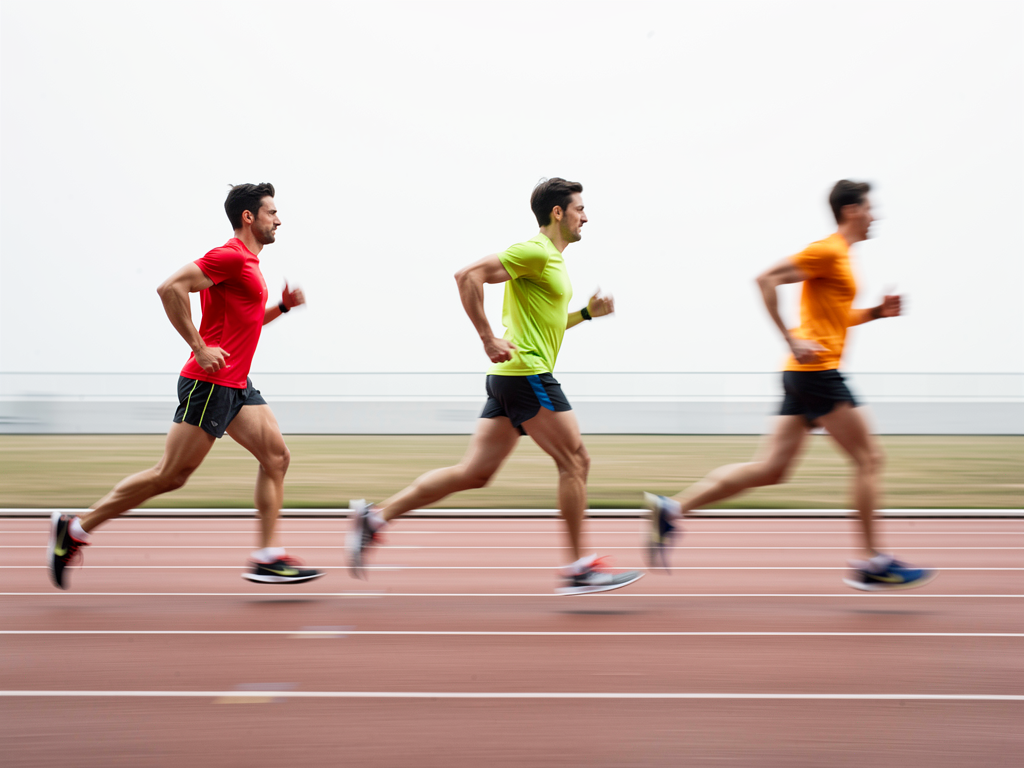
Shutter: controls time and motion blur
ISO: controls sensitivity and noise
> Mastery means trading one variable for another while preserving exposure.
Think in stops: changing any leg by one stop requires compensating with another.
Aperture and Depth of Field
Wide (f/1.4–f/2.8): shallow depth, strong subject isolation, more aberrations
Mid (f/4–f/8): balanced sharpness, common for portraits
Narrow (f/11–f/16+): deep focus, risk of diffraction
Depth of field depends on:
1. Aperture
2. Focal length
3. Subject distance
4. Sensor size
Use background distance creatively to enhance blur (bokeh).
Shutter Speed and Motion
Shutter speed shapes how motion appears:
Fast (1/1000s+): freeze action 🏃
Medium (1/60–1/250s): natural gestures
Slow (1/2–1/30s): motion blur, light trails
Very slow (seconds+): long exposure, smoothing water, star trails
Remember camera shake: use at least 1/focal length on full-frame (e.g., 1/100s for 100mm) unless stabilized.
ISO, Noise, and Dynamic Range
Raising ISO amplifies signal and noise. Modern sensors tolerate high ISO, but dynamic range usually declines.
Guidelines:
Use the lowest ISO that gives a workable shutter and aperture
Expose carefully at low ISO for maximum latitude
High-ISO noise is less problematic than motion blur when capturing decisive moments
Metering and Histograms
In-camera meters assume scenes average to mid-gray. High-contrast scenes confuse them.
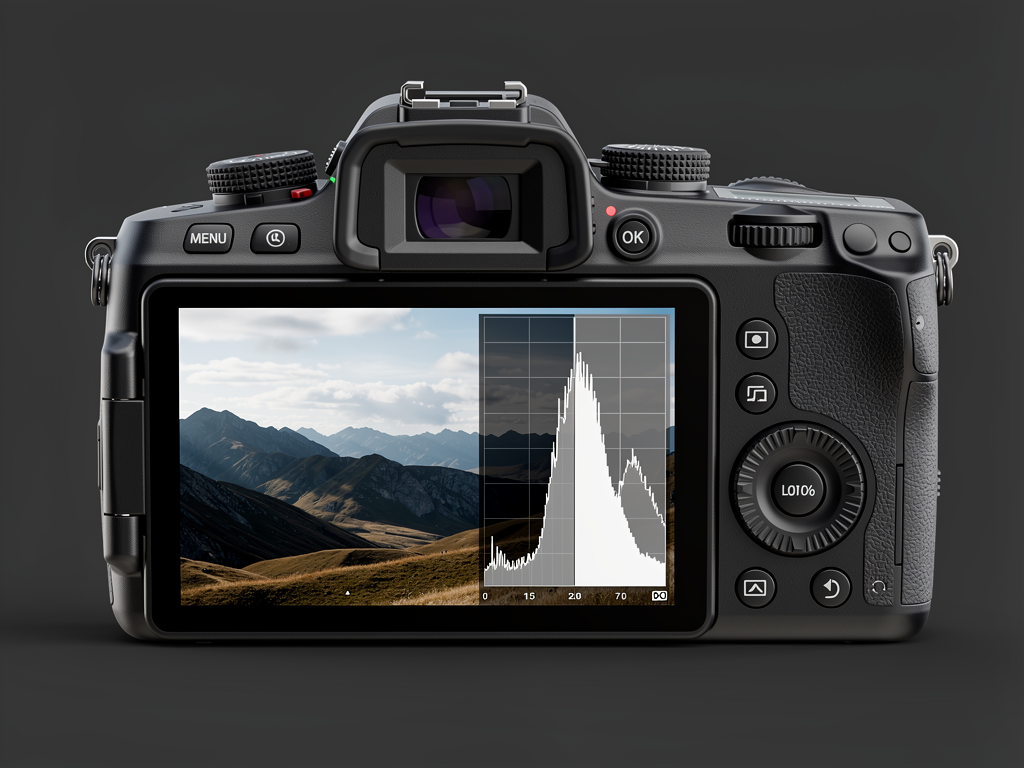
Use the histogram:
Left: shadows
Middle: midtones
Right: highlights
Avoid clipping unless intentional. For digital, slightly bias exposure to protect highlights, then lift shadows in post (especially on modern sensors).
💡 This is just Chapter 1. The full content with all chapters, interactive quizzes, and progress tracking is available in the Octo AI app.