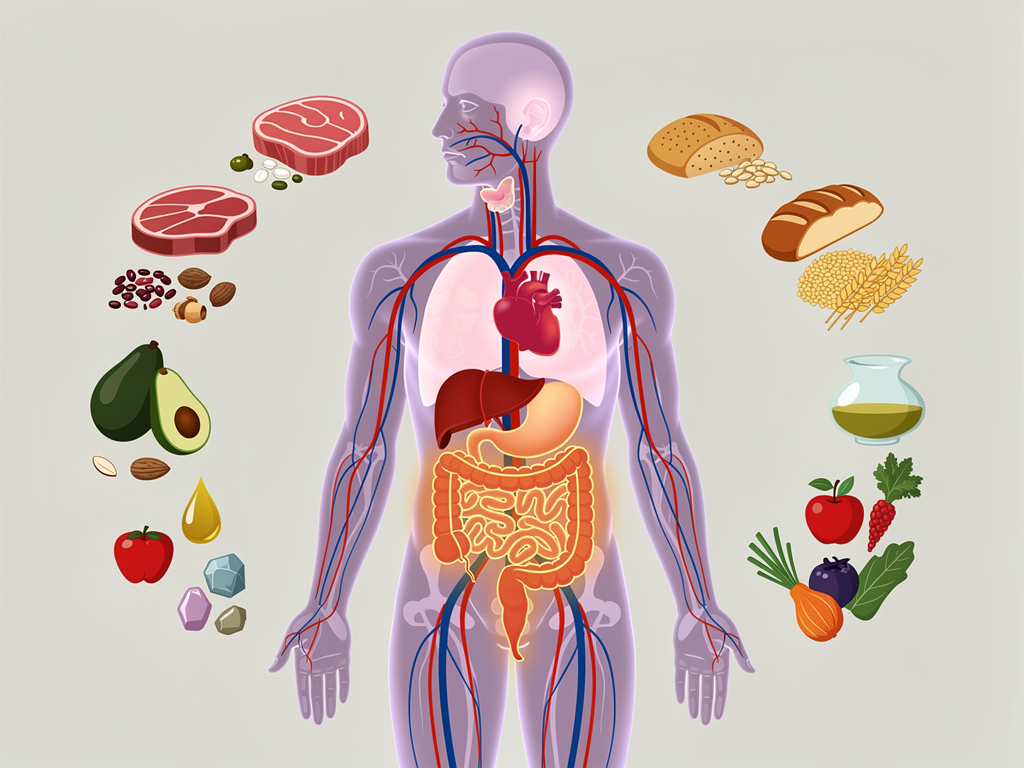
Human nutrition studies how dietary components supply energy and substrates to sustain life, growth, and repair.
Key dimensions:
Energy balance ⚖️
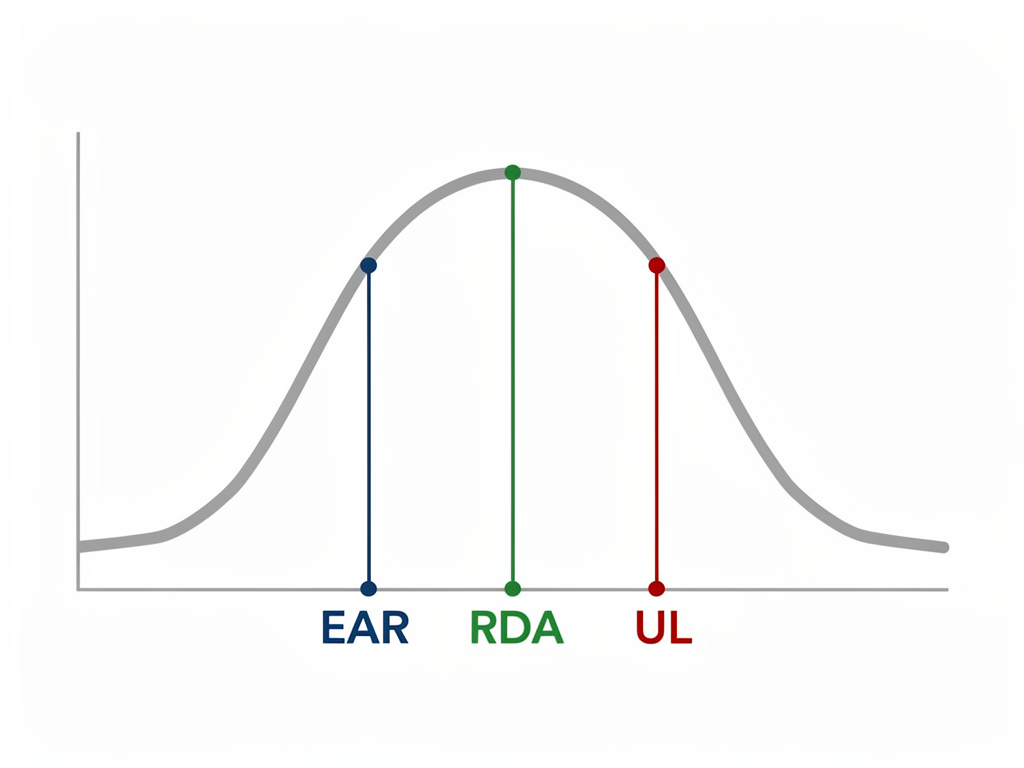
Nutrient adequacy
Metabolic health
It integrates biochemistry, physiology, and behavior, examining how foods become absorbable molecules, how these enter cells, and how imbalances drive disease. At an advanced level, nutrition is about systems regulation, not food fads.
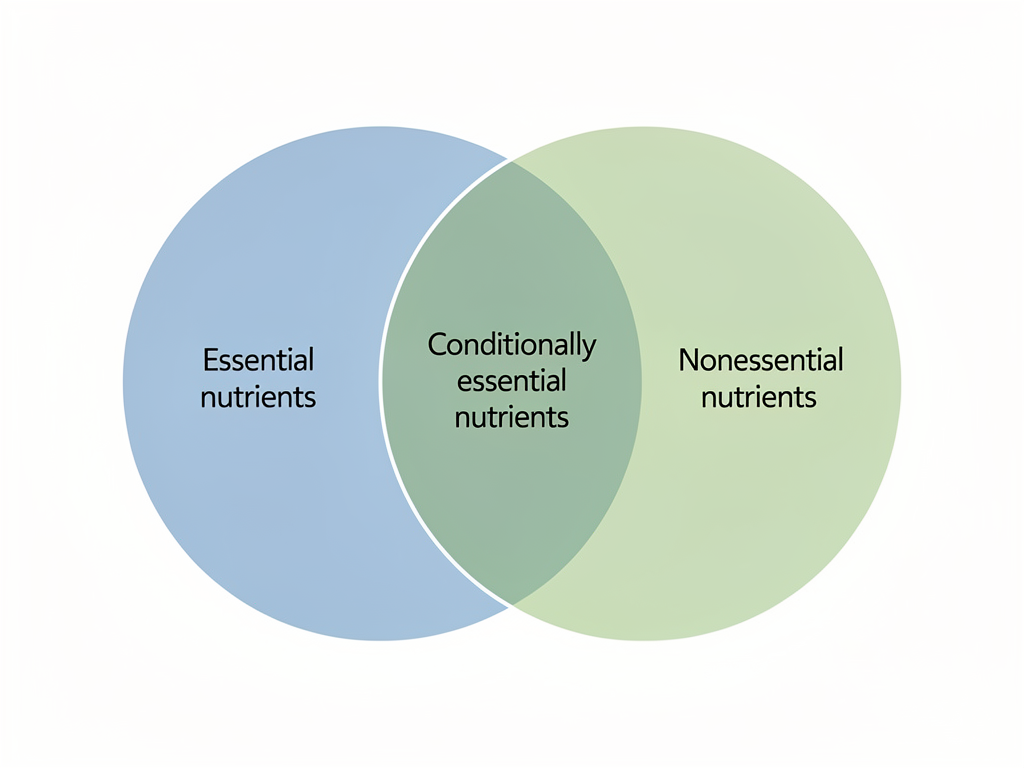
Essential vs. Nonessential Nutrients
A nutrient is essential if:
1. The body cannot synthesize it (or enough of it)
2. Deficiency causes specific symptoms
3. Reintroduction reverses these symptoms
Examples:
Essential: linoleic acid, lysine, vitamin C
Nonessential: glucose, some amino acids (e.g., alanine)
Key idea: Essentiality depends on biosynthetic capacity and physiological demand, not perceived importance.
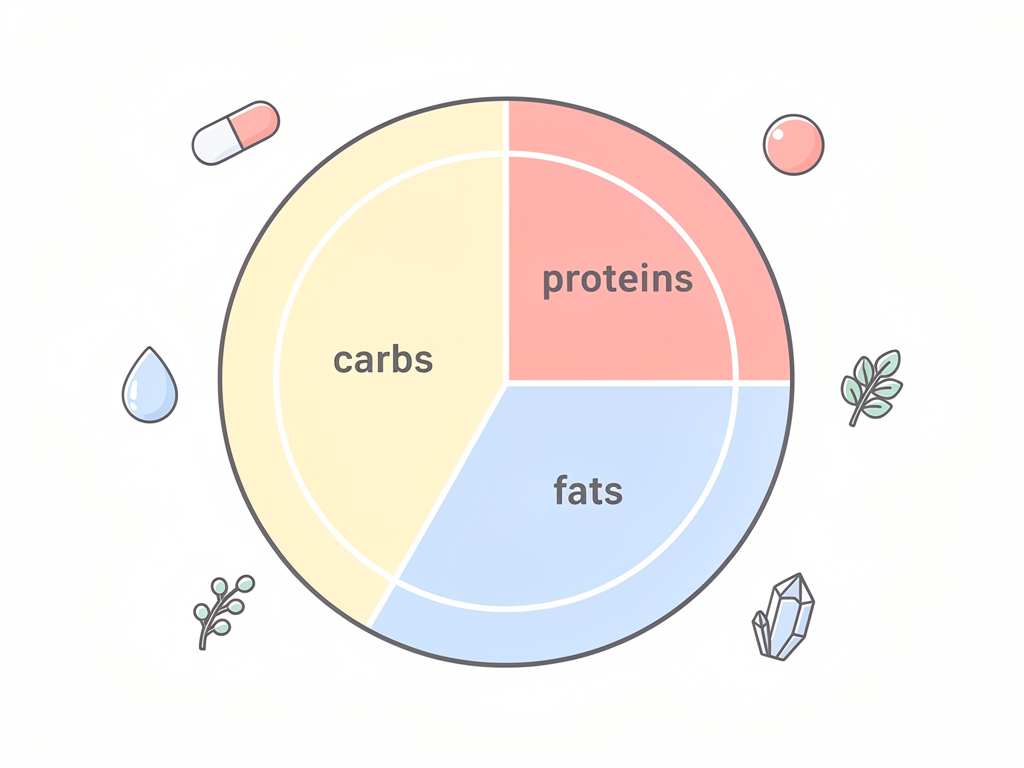
Macronutrients vs. Micronutrients
Macronutrients: Needed in grams; provide energy or structural mass.
Carbohydrates
Lipids
Proteins
Micronutrients: Needed in milligrams or micrograms.
Vitamins (organic)
Minerals (inorganic)
Micronutrients rarely yield energy directly but act as cofactors, antioxidants, and signaling molecules. Deficiency often appears subtly (fatigue, impaired immunity) before severe disease emerges.