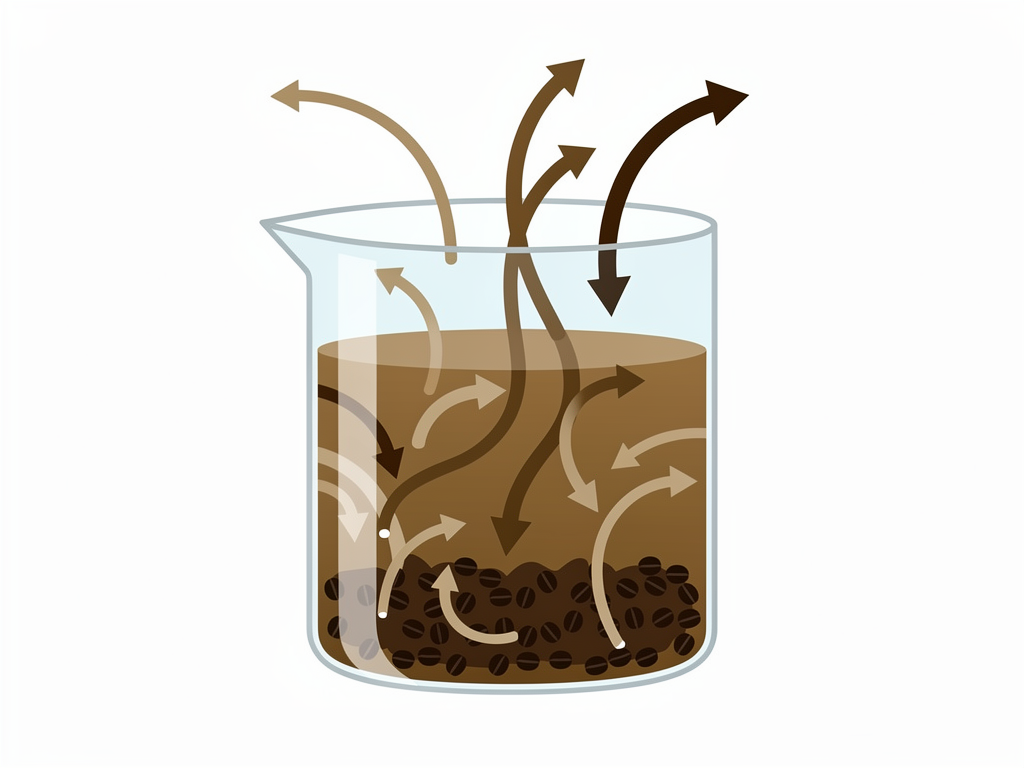
Brewing is controlled extraction: dissolving desirable compounds from ground coffee into water.
Key groups:
Acids: bright, fruity
Sugars: sweetness, body
Bitter compounds: balance, dryness
Aim: high flavor, low defect.
Under-extraction → sour, thin. Over-extraction → harsh, dry. Mastering extraction means learning to steer between these extremes using grind, time, and temperature.
Extraction Yield vs Strength
Two distinct ideas:
Strength (TDS): percentage of dissolved solids in the cup; how intense it tastes.
Extraction yield: percentage of the dry coffee mass dissolved.
You can have strong yet under-extracted coffee (too concentrated, still sour) or weak but over-extracted coffee (dilute, bitter). Serious brewing targets both simultaneously.
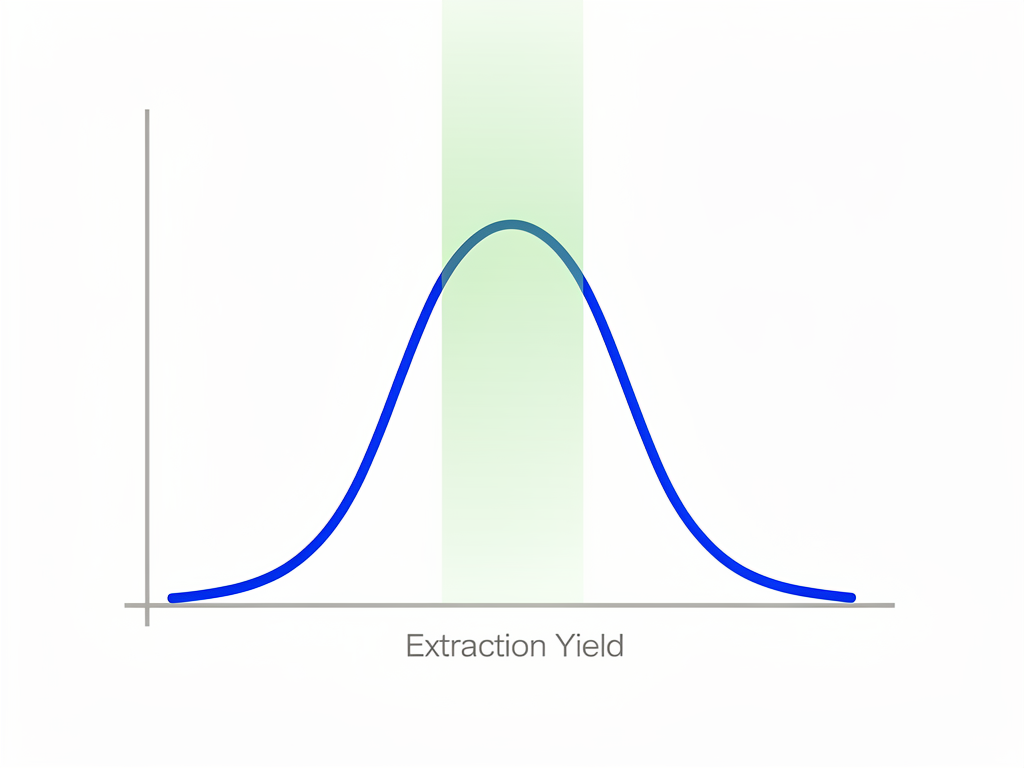
The Ideal Extraction Window
Empirically, many specialty roasts taste best around:
18–22% extraction yield
1.15–1.45% TDS for filter coffee
Outside this “window,” defects dominate: vegetal sourness at low extraction, woody bitterness at high extraction.
These are guidelines, not rigid laws. Light roasts often prefer slightly higher extraction; darker roasts slightly lower.
Under-Extraction: Sensory Markers
Signs your brew is under-extracted:
Sharp, lemony or vinegar-like acidity
Dominant saltiness or vegetal notes
Thin, abrupt finish
Typical causes:
Grind too coarse
Too little contact time
Water too cool
Insufficient agitation
Diagnosis starts with taste: prioritize recalibrating grind and time before changing everything at once.
Over-Extraction: Sensory Markers
Over-extracted coffee often shows:
Lingering harsh bitterness
Dry, astringent mouthfeel (fuzzy tongue)
Hollow, woody aftertaste
Likely causes:
Grind too fine
Excessive contact time
Water overly hot
Very high turbulence
Correct by coarsening grind, shortening time, or lowering temperature, one variable at a time.
💡 This is just Chapter 1. The full content with all chapters, interactive quizzes, and progress tracking is available in the Octo AI app.