Chapter 1: Abstract Thinking and Notation
What Is Algebra (Really)?
Algebra studies structures defined by operations and rules, not just numbers.
- Objects: numbers, vectors, polynomials, matrices
- Operations: +, ·, composition, etc.
- Rules: associativity, commutativity, distributivity
> Algebra asks: What stays true if we change the objects but keep the rules?
We move from solving single equations to understanding whole systems and structures.
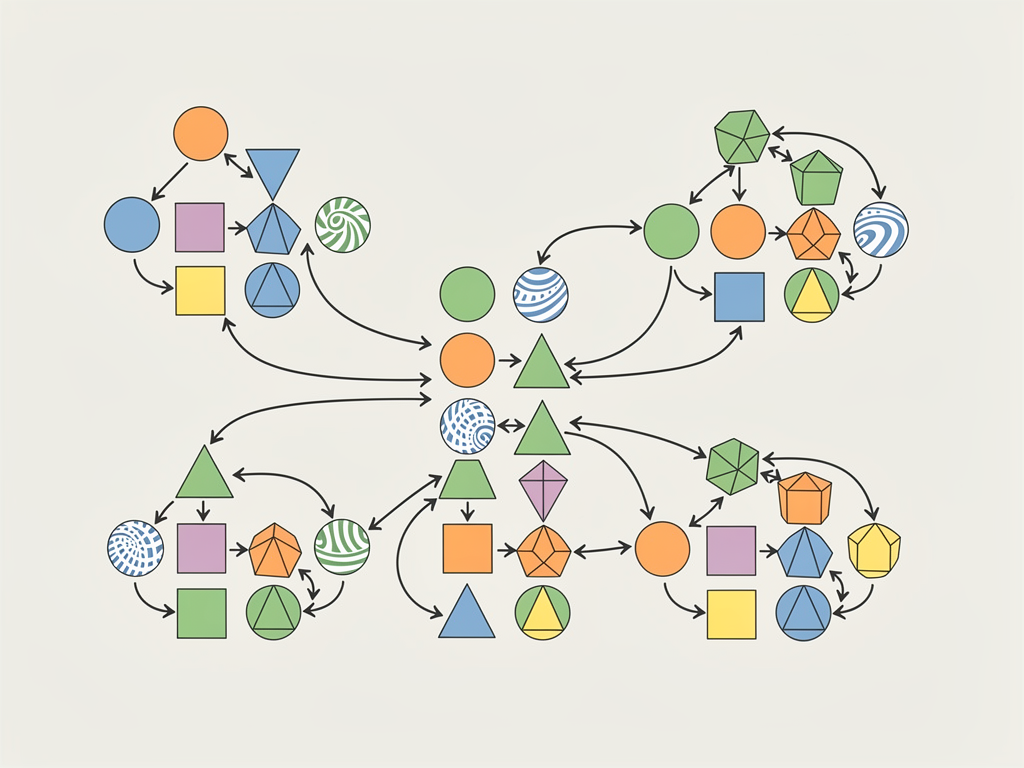
Notation Refresher
- Variables: usually x, y, z
- Parameters: a, b, c; fixed within a problem
- Domains: ℝ, ℚ, ℤ, ℂ
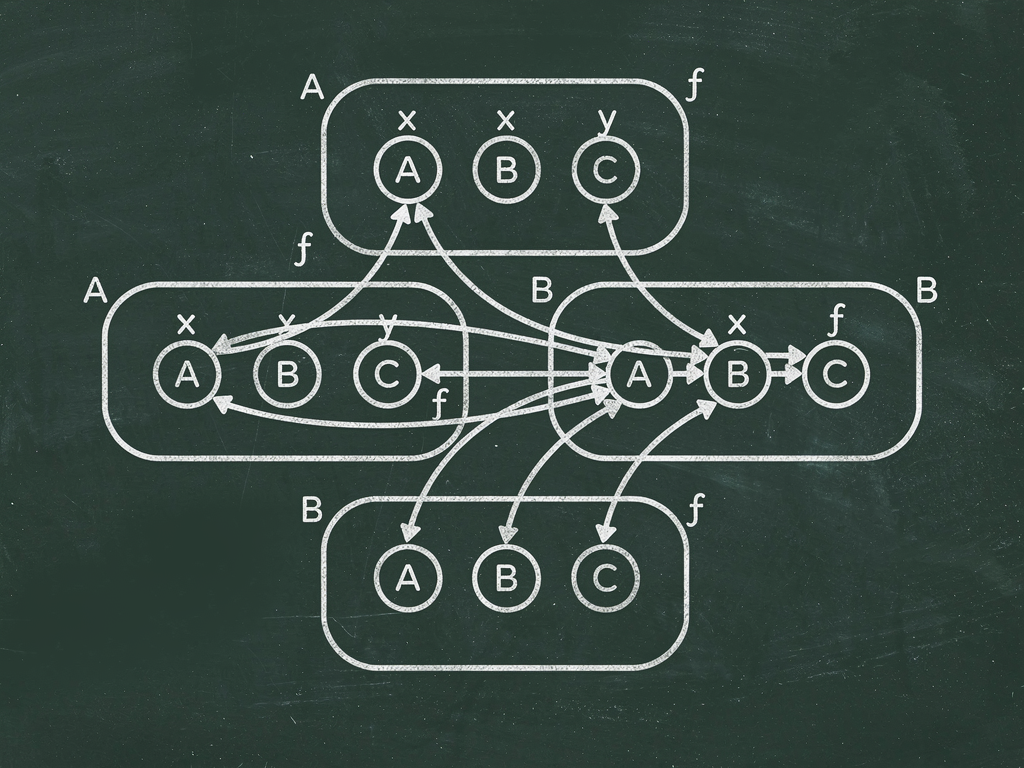
- Functions: f: A → B, f(x)
- Sets: {x ∈ ℝ | condition}
Careful notation prevents logical errors in long, multi-step algebraic arguments.
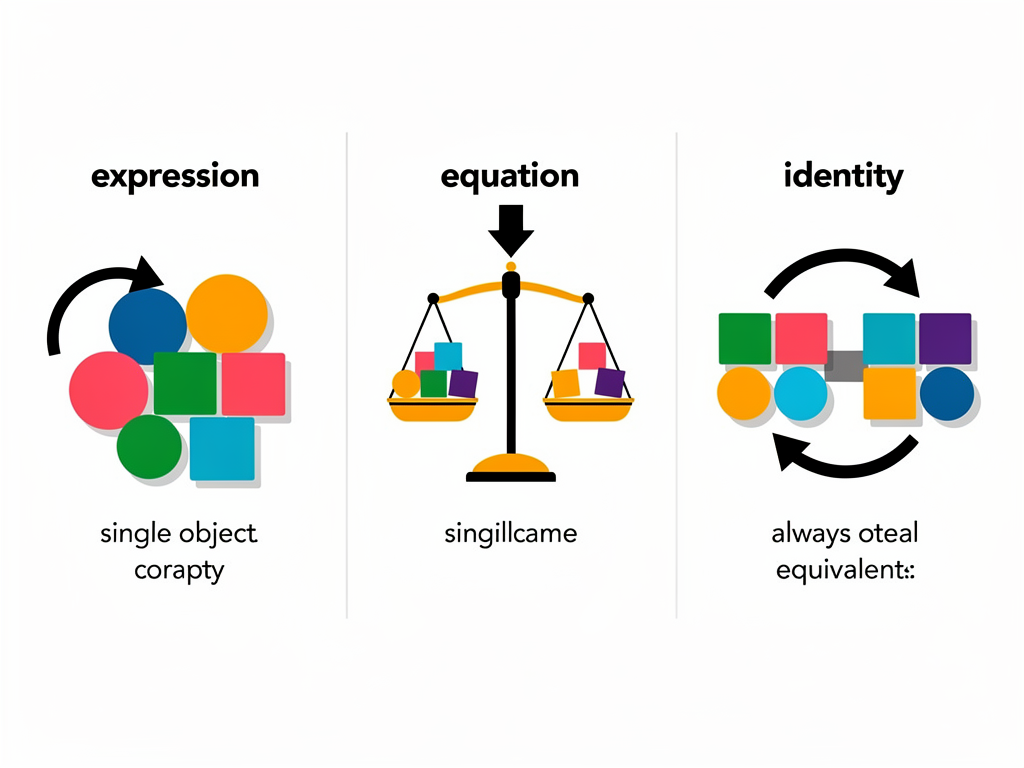
Expressions vs. Equations vs. Identities
- Expression: 3x² − 2x + 1
- Equation: 3x² − 2x + 1 = 0
- Identity: (x + 1)² ≡ x² + 2x + 1
Identities hold for all allowed values; equations usually hold only for specific solutions. This distinction matters in proof and simplification.
Quantifiers: ∀ and ∃
Algebraic statements often use:
- Universal: ∀x ∈ ℝ, x² ≥ 0
- Existential: ∃x ∈ ℝ such that x² = 2
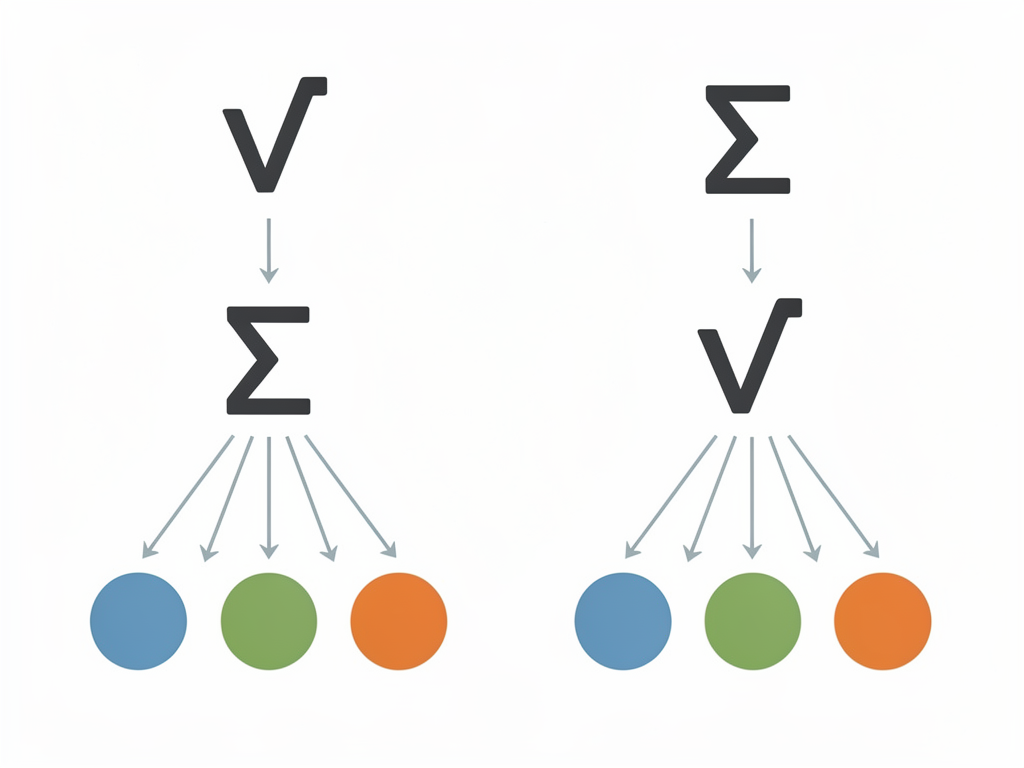
Order matters:
- ∀x ∃y (y > x) is true in ℝ
- ∃y ∀x (y > x) is false in ℝ
Reading quantifiers carefully is essential preparation for proofs.
💡 This is just Chapter 1. The full content with all chapters, interactive quizzes, and progress tracking is available in the Octo AI app.